Britain is not going to decarbonize, they are not going to reach net-zero, they will not stop bad weather, and if they try they won’t have energy security.
Chief Scientific Adviser visits to discuss Net Zero | Corporate | University of Leeds
Britain is not going to decarbonize, they are not going to reach net-zero, they will not stop bad weather, and if they try they won’t have energy security.
Chief Scientific Adviser visits to discuss Net Zero | Corporate | University of Leeds
The Washington Post reports:
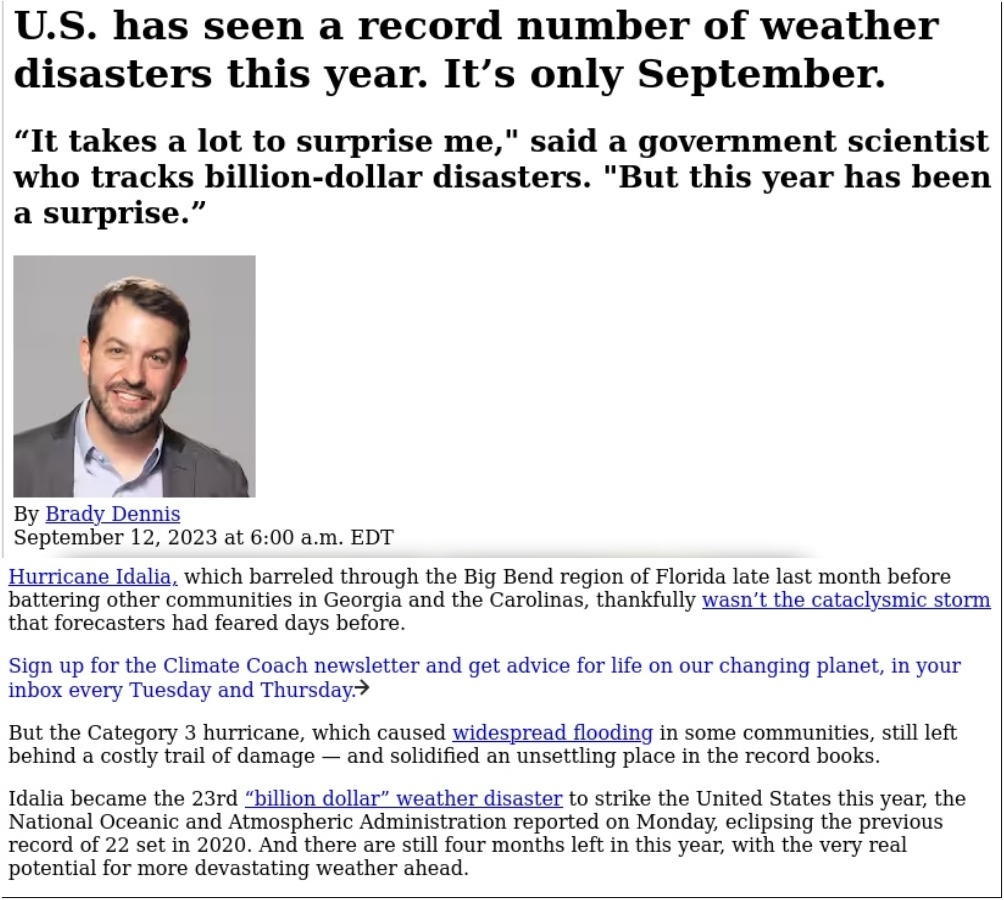
“U.S. has seen a record number of weather disasters this year. It’s only September.
“It takes a lot to surprise me,” said a government scientist who tracks billion-dollar disasters. “But this year has been a surprise.”
Hurricane Idalia, which barreled through the Big Bend region of Florida late last month before battering other communities in Georgia and the Carolinas, thankfully wasn’t the cataclysmic storm that forecasters had feared days before.
But the Category 3 hurricane, which caused widespread flooding in some communities, still left behind a costly trail of damage — and solidified an unsettling place in the record books.
Idalia became the 23rd “billion dollar” weather disaster to strike the United States this year, the National Oceanic and Atmospheric Administration reported on Monday, eclipsing the previous record of 22 set in 2020. And there are still four months left in this year, with the very real potential for more devastating weather ahead.”
23 ‘billion-dollar’ natural disasters have hit the US in 2023 – The Washington Post
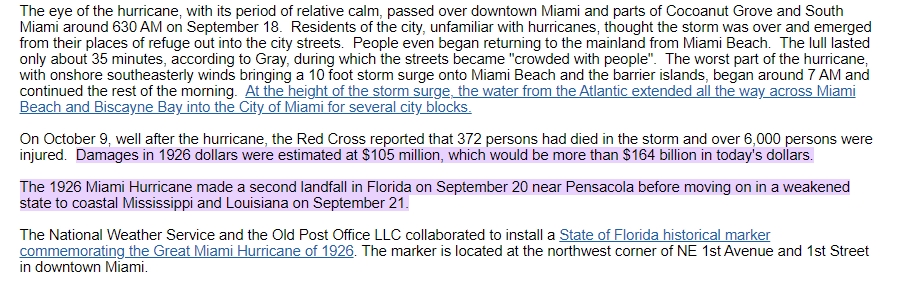
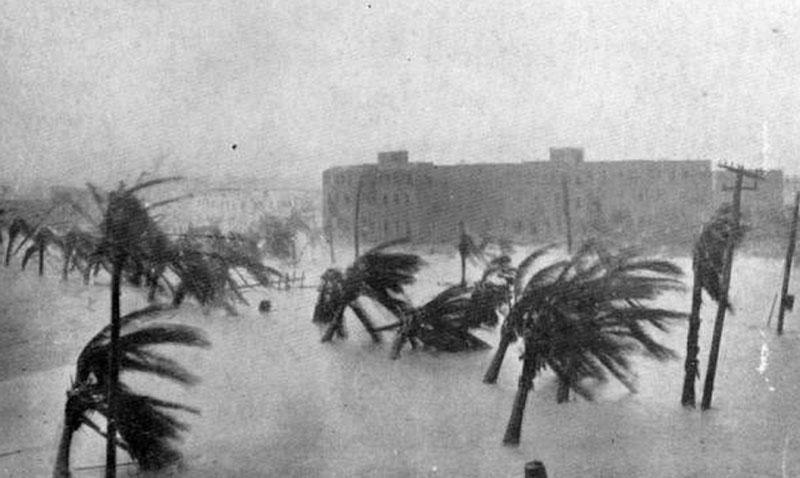
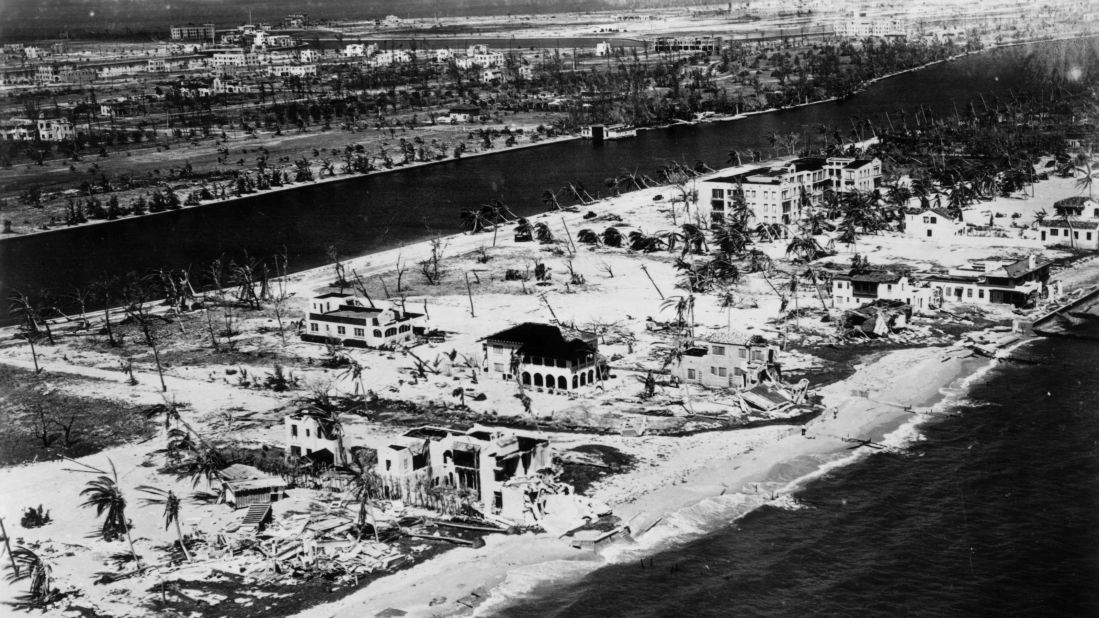
This week in 1926, Miami was destroyed by a hurricane.
“Damages in 1926 dollars were estimated at $105 million, which would be more than $164 billion in today’s dollars.”
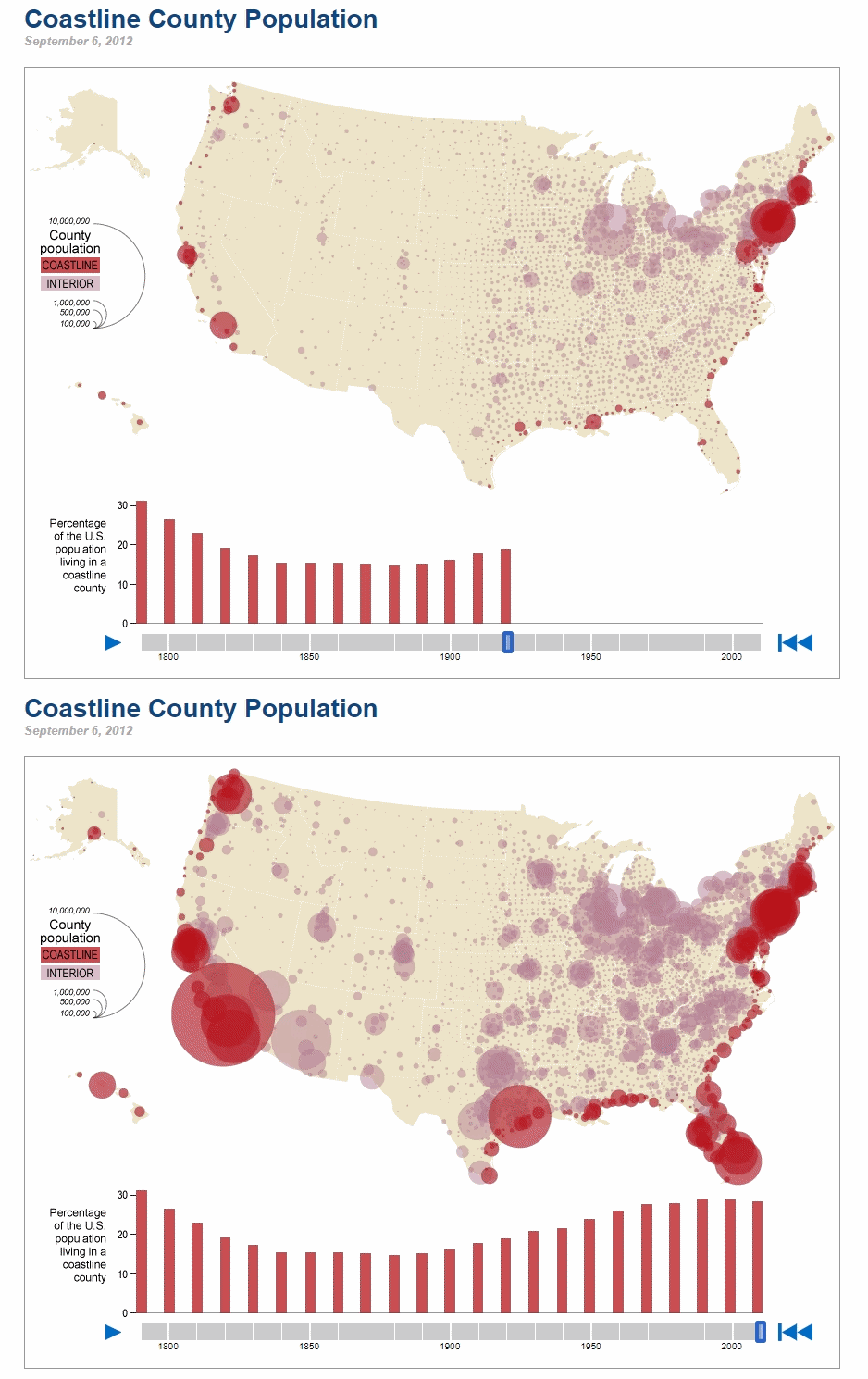
There has been a huge increase in the population of the Gulf Coast since the 1920s. The amount of property at risk is orders of magnitude higher.
Rob Reiner explains that the survival of democracy requires no one is allowed to run against the incumbent.
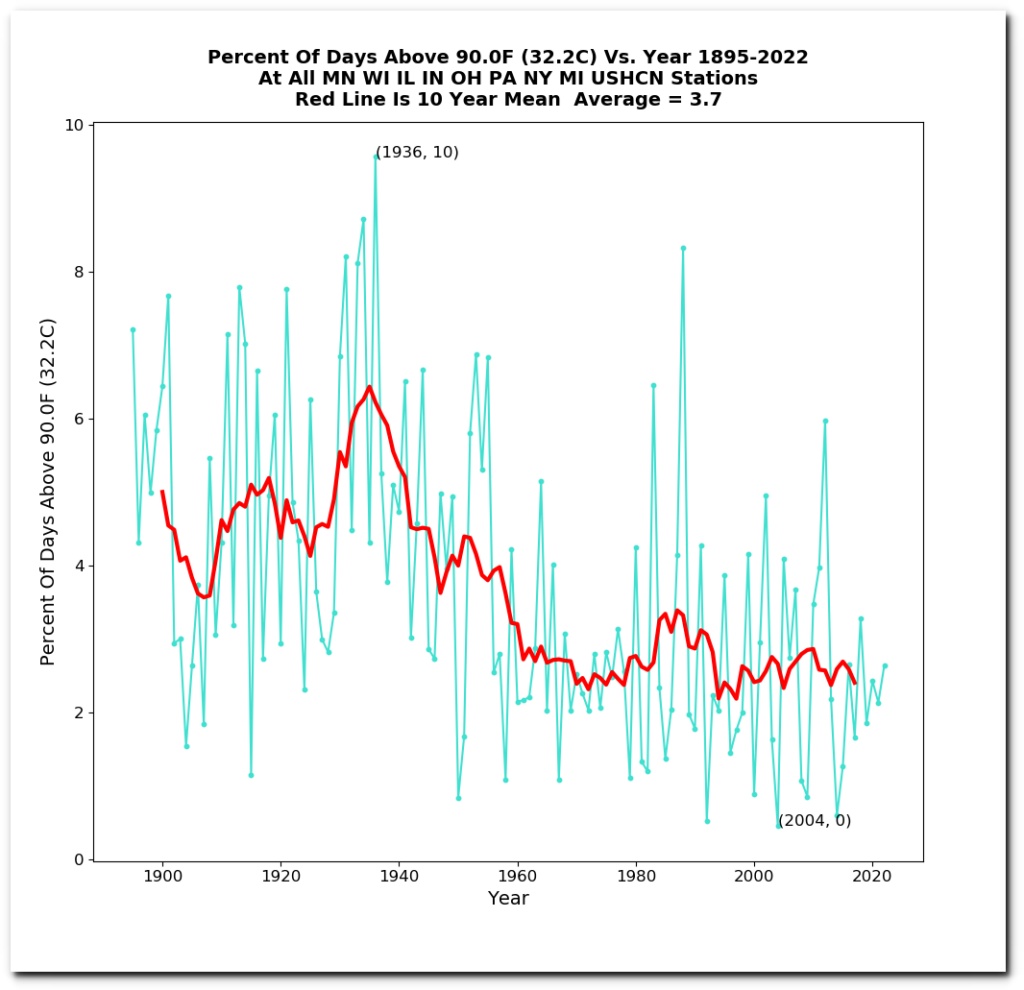
In this video I show how government agencies and the press work together to misinform the public about trends in heatwaves.
IFL science says Antarctic sea ice extent is the lowest in thirteen billion years.
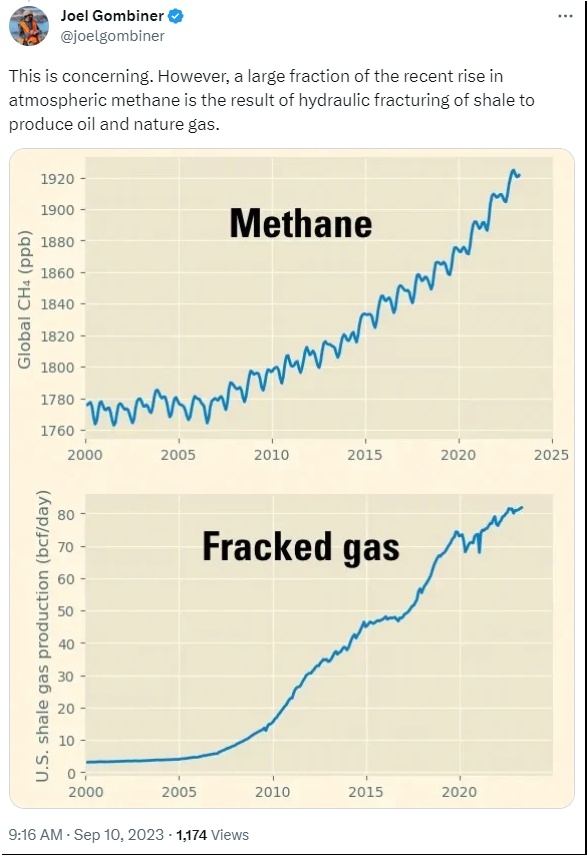
Since the year 2000, atmospheric methane has increased from 0.0000018 to 0.0000019 mole fraction. This has geologist Joel Gombiner concerned.
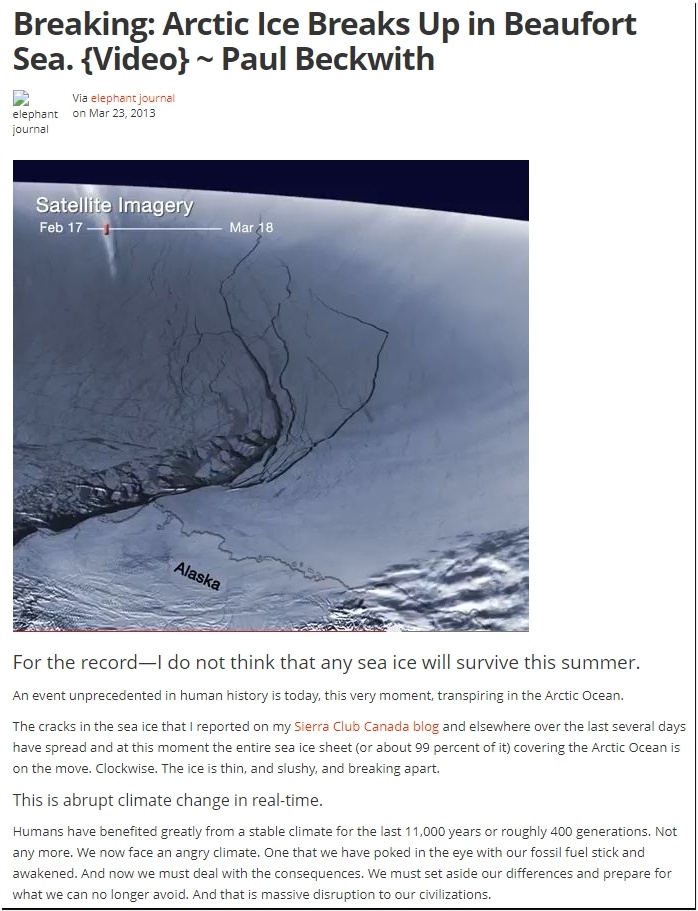
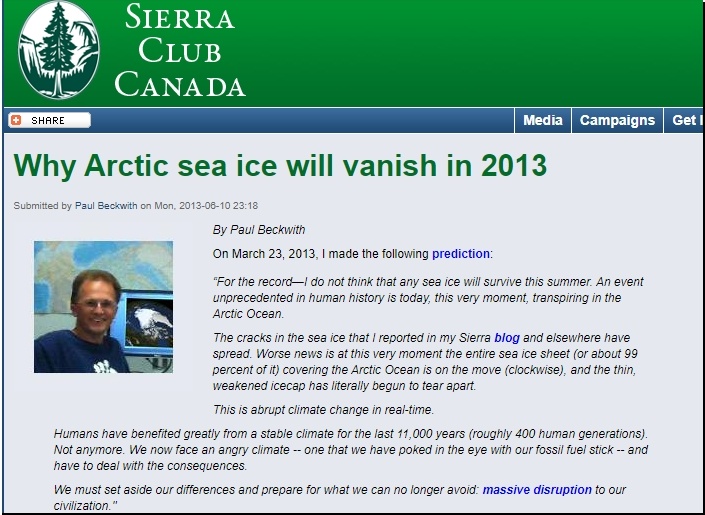
The Sierra Club said Arctic sea ice would disappear in 2013, after 11,000 years of a stable climate
“Humans have benefited greatly from a stable climate for the last 11,000 years or roughly 400 generations. Not any more. We now face an angry climate. One that we have poked in the eye with our fossil fuel stick and awakened. And now we must deal with the consequences. We must set aside our differences and prepare for what we can no longer avoid. And that is massive disruption to our civilizations.”
Breaking: Arctic Ice Breaks Up in Beaufort Sea. ~ Paul Beckwith | elephant journal
Antarctic sea ice is nearly identical to 1986, but the press say extent is the lowest in 13 billion years.
09_Sep/S_19860908_extn_v3.0.png
09_Sep/S_20230908_extn_v3.0.png
ftp://osisaf.met.no/prod_test/ice/index/v2p2/sh/osisaf_sh_sie_daily.txt
Antarctica’s Low-Ice Winter Should Only Happen Once Every 13 Billion Years | IFLScience
Palm trees grew in Antarctica 53 million years ago.
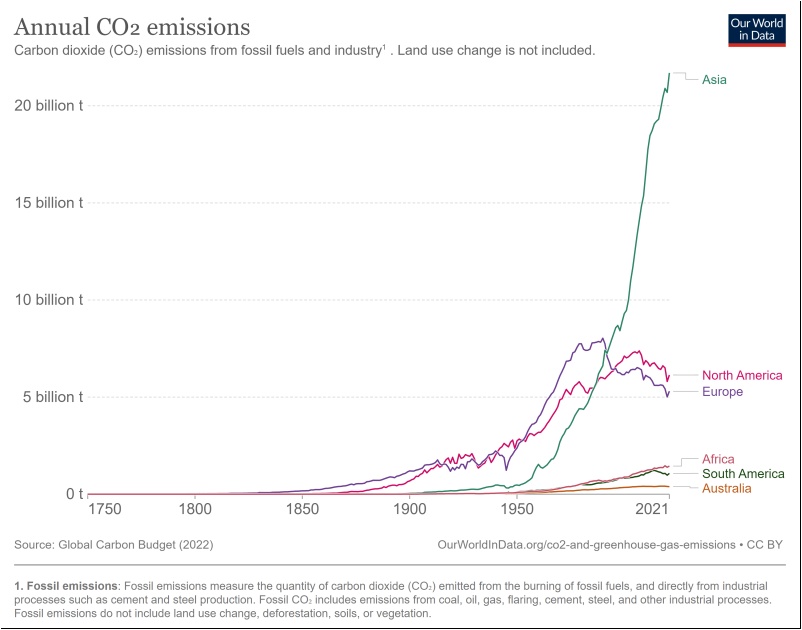
As fossil fuel usage continues to grow around the world, the UN continues to say they are phasing out fossil fuels.
“UN warns world will miss climate targets unless fossil fuels phased out”
Global primary energy consumption by source
Global Monitoring Laboratory – Carbon Cycle Greenhouse Gases
A World Economic Forum Spokesperson says CO2 and methane emissions cause pandemics which we have no immunity to.