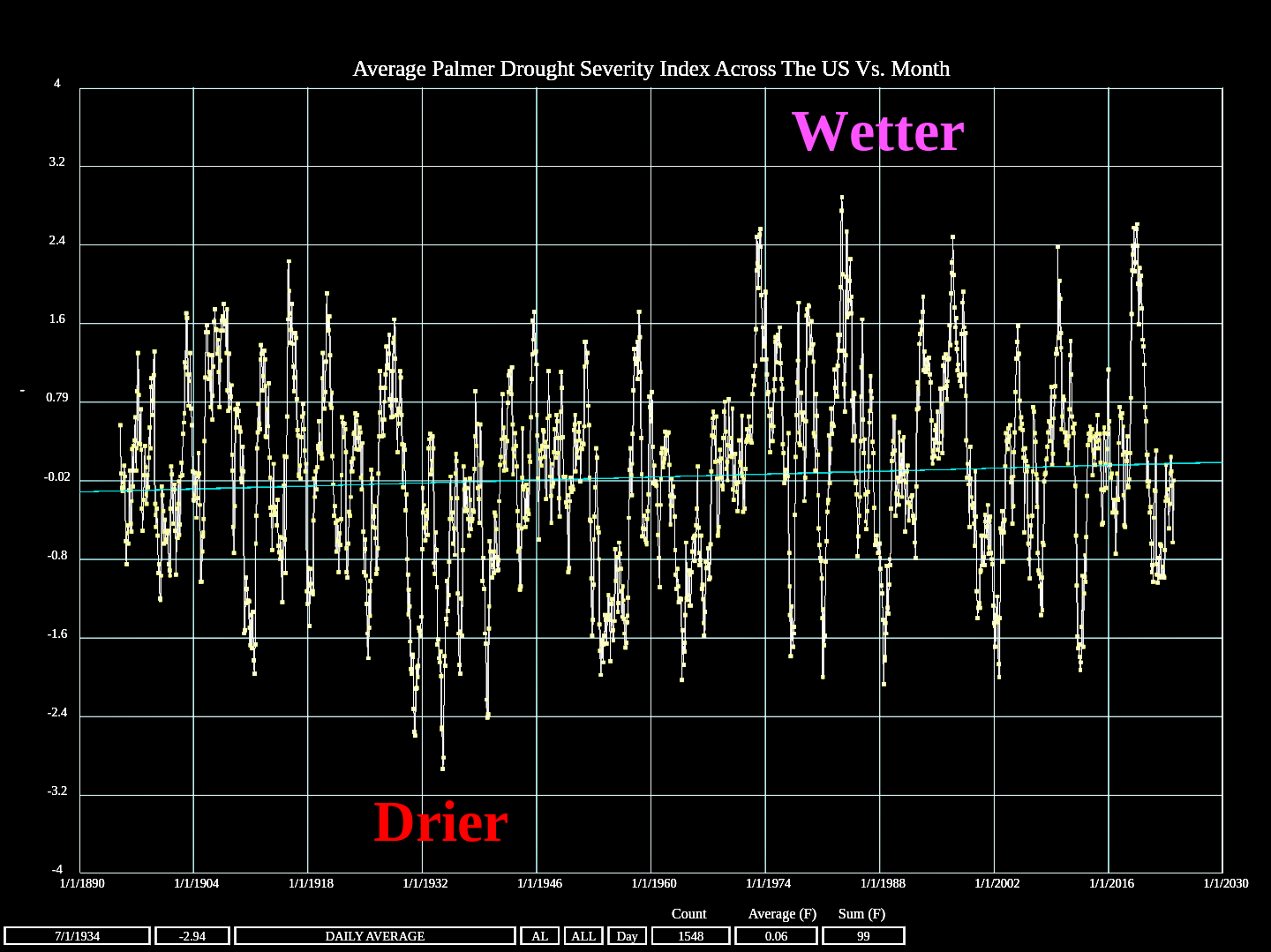
There isn’t one shred of evidence to support the idea that drought correlates with CO2.
Historical Palmer Drought Indices | National Centers for Environmental Information (NCEI)
ncei.noaa.gov/pub/data/cirs/climdiv/climdiv-pdsidv-v1.0.0-20231206
There isn’t one shred of evidence to support the idea that drought correlates with CO2.
Historical Palmer Drought Indices | National Centers for Environmental Information (NCEI)
ncei.noaa.gov/pub/data/cirs/climdiv/climdiv-pdsidv-v1.0.0-20231206
From June 24 to July 28, 1936 Nebraska afternoon temperatures averaged over 90F every day. Over that 35 day period the state averaged 102F, peaking at 111F on July 25, 1936.
The minimum temperature at Lincoln, Nebraska on July 25, 1936 was 91F, which may have been the hottest night ever recorded in the US outside of the desert Southwest.
Extreme Weather – Google Books
July, 1936 was the hottest month on record in the US.
In 2018 National Geographic announced the death of the Great Barrier Reef, which currently has record high amounts of coral.
“In the days and months after the July floods that devastated much of Vermont, Lesley-Ann Dupigny-Giroux’s inbox filled with requests.
During that July storm, the skies opened, drowning some parts of Vermont with up to 9 inches of rain in 48 hours. Afterward, government officials and members of the media turned to Dupigny-Giroux, Vermont’s state climatologist, to understand the storm’s link to a globally changing climate.
In an interview with Vermont Public, she described plumes of water vapor that had risen from the Atlantic Ocean and headed west to the Green Mountains — a product of warm air temperatures. To a VTDigger reporter, she explained the role that Vermont’s mountains can play by cooling humid air to create clouds. With the Washington Post, she spoke about the odds that so many inches of rain would fall on Vermont.
In recent years, Vermonters have struggled to adapt to a climate that appears to be changing swiftly. In addition to the July storm, swings between wet weather and drought conditions have presented farmers and loggers with steep challenges”
Vermont has a long history of floods, with the worst one occurring in 1927
1927
2011
1938
1973
There is no indication that either temperature or precipitation has become more extreme in Vermont
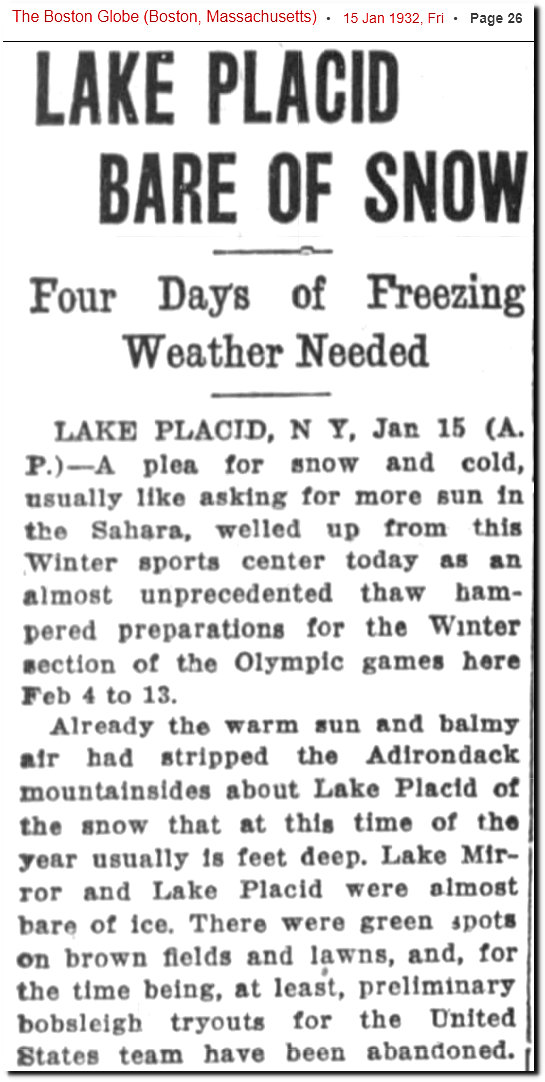
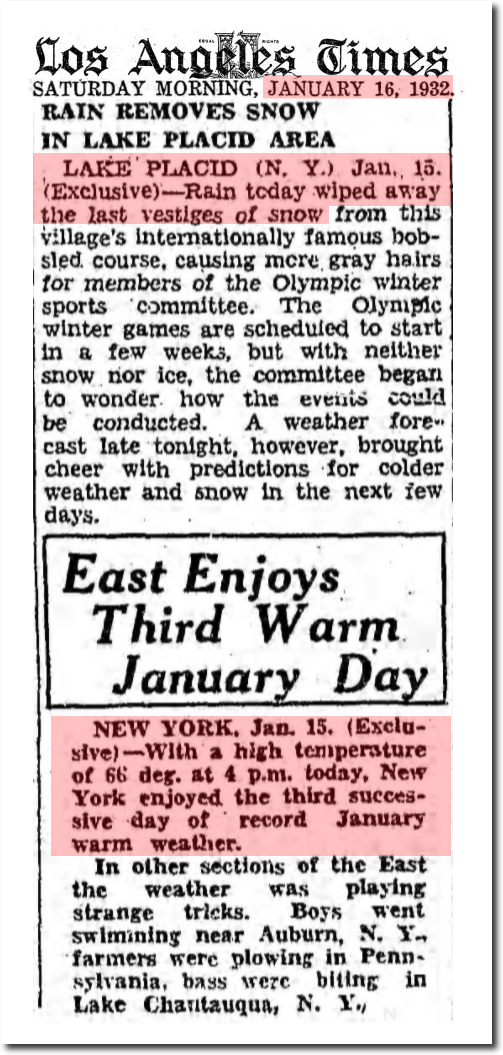
The 1932 Winter Olympics across Lake Champlain from Vermont, almost had to be cancelled because of a lack of snow.
A short look at how the National Climate Assessment is misleading people about US forest fires.
For more than 50 years, experts have been saying we only have ten years left to save the planet.
“WASHINGTON — The overall temperature of the Earth rose sharply this year, signaling the beginning of the “greenhouse effect” and significantly increasing the likelihood of droughts and heatwaves in the Southeast and Midwest, a NASA scientist told the Senate.”
June 24, 1988
24 Jun 1988, 1 – The Miami News at Newspapers.com
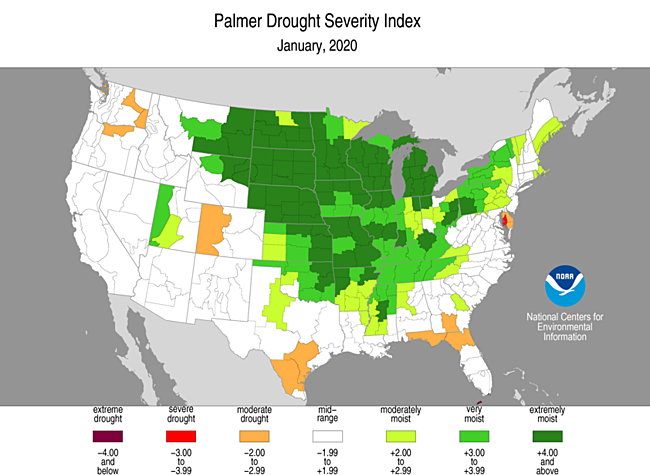
The most severe drought in the Midwest occurred in July 1934, and the wettest period was January 2020.
ncei.noaa.gov/pub/data/cirs/climdiv/climdiv-pdsidv-v1.0.0-20231206
“One core point I want to make is that we have one single mission, one single job at this point, and it’s to stop the fossil fuel industry”
“She is Lead Author for the IPCC’s 6th Assessment Report with Working Group 3.”
“Sinking atolls
I hate to put this so bluntly, but in all probability nothing can save the Pacific island of Tuvalu. Like a slowly boiling kettle, the oceanic system has very long response time to changing conditions, and the seas will go on slowly rising for centuries even if all greenhouse gas emissions stopped tomorrow. With Tuvalu already experiencing regular flooding events due to past sea level rise-as I documented in High Tide-this extra rise in the world’s oceans will sound the death knell for this fascinating and lively island society.”
Six Degrees: Our Future on a Hotter Planet:
Tuvalu is growing.
“Here we present analysis of shoreline change in all 101 islands in the Pacific atoll nation of Tuvalu. Using remotely sensed data, change is analysed over the past four decades, a period when local sea level has risen at twice the global average (~3.90?±?0.4?mm.yr?1). Results highlight a net increase in land area in Tuvalu of 73.5?ha (2.9%)”
“Over the next several decades, the Western United States and the semi-arid region from North Dakota to Texas will develop semi-permanent drought”
James Hansen 2012
Opinion | Game Over for the Climate – The New York Times
There is no indication drought is increasing in those states.
Palmer Drought Severity Index (Dakotas, Nebraska, Kansas, Oklahoma, Texas)
ncei.noaa.gov/pub/data/cirs/climdiv/climdiv-pdsidv-v1.0.0-20231206