One popular claim about USHCN adjustments is that they are “peer-reviewed” and thus sound.
This is complete nonsense. What is peer-reviewed are a couple of papers outlining potential issues impacting temperature readings and proposed remedies. It is like saying that a piece of production software has been validated, because a few people within the company agreed to a general high level specification.
I am a commercial software developer. The process of developing production software involves an seemingly endless series of reviews from specification to delivery, by a wide range of people from many different disciplines and from both within and outside of the organization. Any product which doesn’t go through this process is likely to fail.
I’ve done comparisons between the TOBS (Time of Observation Bias) spec, and the actual implementation of TOBS – and it isn’t even close to what is written in the spec – for several different reasons.
A Closer Look At USHCN TOBS Adjustments | Real Science
The total adjustments are much larger than the specification implies. As far as I can tell, the actual adjustment software has a grossly deficient quality control process.
Furthermore, once you start adjusting temperatures, you have opened the door to confirmation bias. The UHI adjustment is much too small, and the other adjustments are much too large. These temperature records form the basis of climate science, and they are generated by work which is the quality of a freshman programming project.
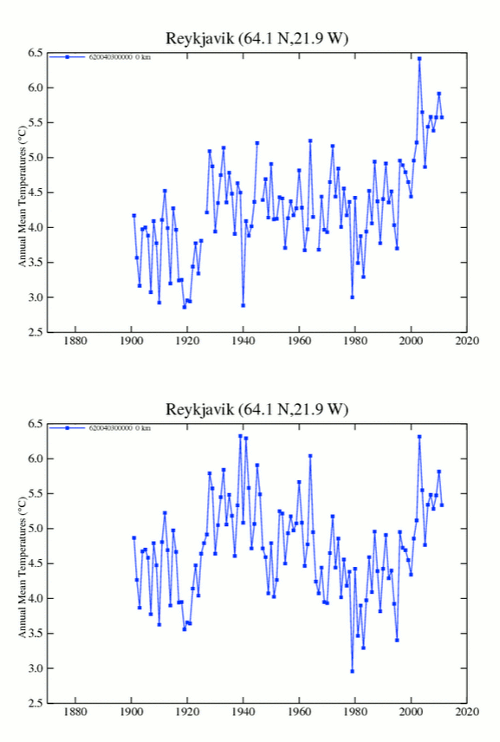
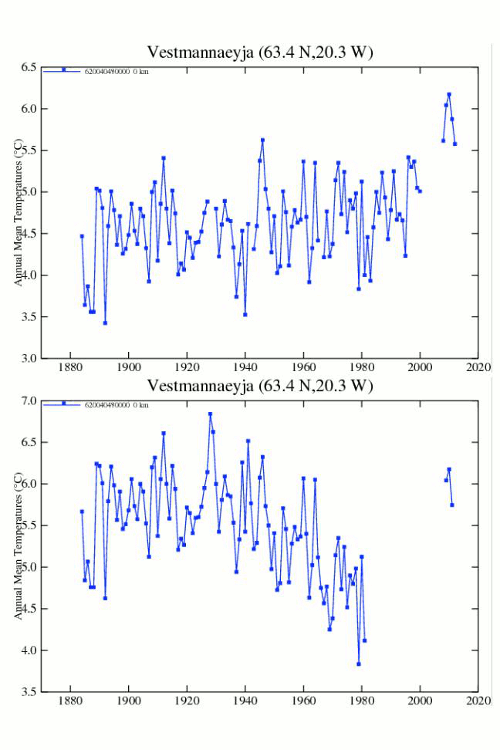
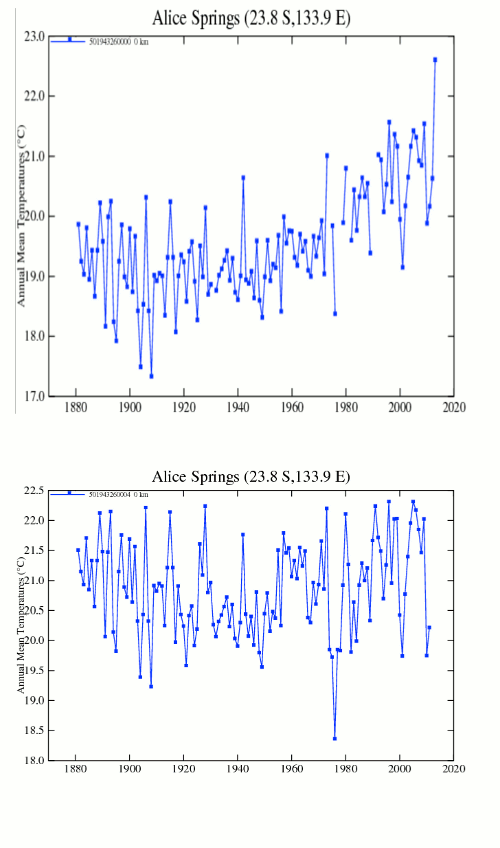
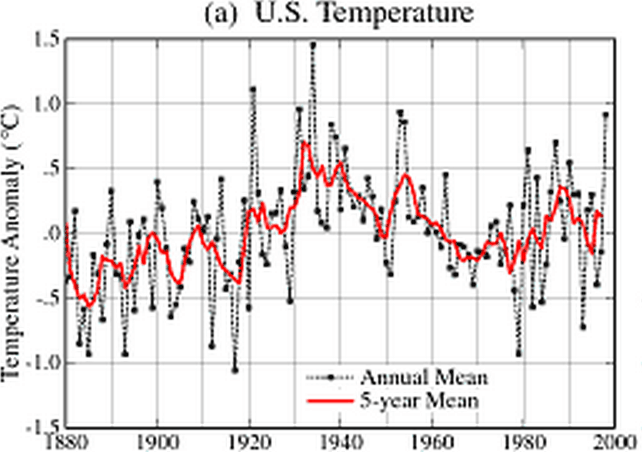
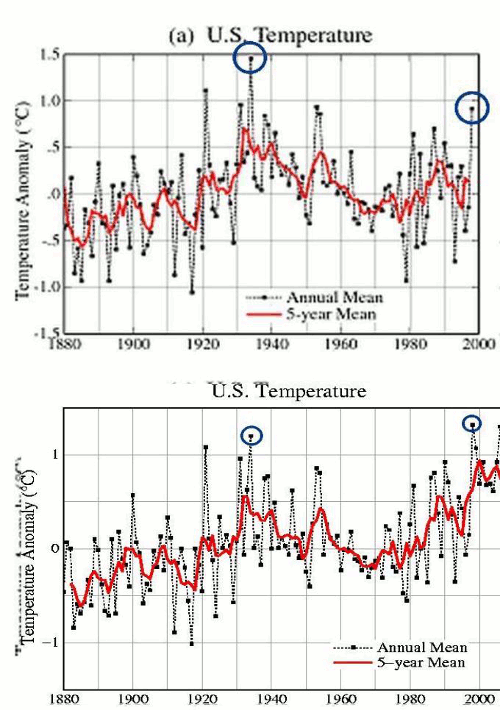
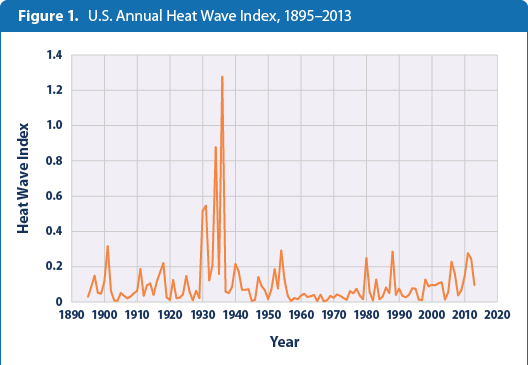
They have turned a cooling trend into a warming trend, and don’t even put a disclaimer on the graphs. This isn’t even good enough for government work. I see no reason to believe that NCDC/USHCN/NASA US temperature trends have any validity.