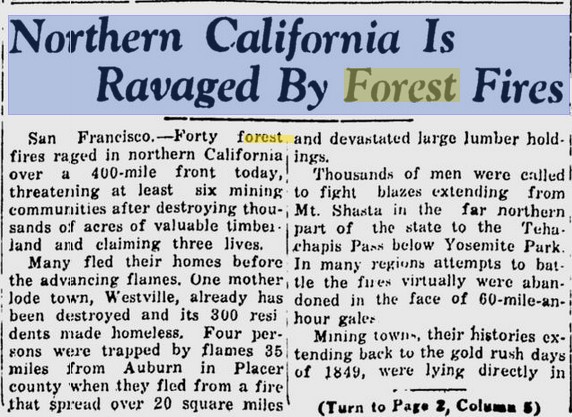
Middlesboro Daily News – Oct 16, 1936

Disrupting the Borg is expensive and time consuming!

Google Search
-
Recent Posts
- Three Years Since The Apocalypse
- Arctic Report card Summer 2026
- Elon Pushing Pushing Geoengineering
- Earth, Wind And Fire
- On The Road Again
- Vandalism At The Reflecting Pool
- Fifty Years Ago Today
- Truth Or Consequences
- US Climate Trend Maps
- Declining Spring Snow Cover In Northern New Mexico
- You Can’t Fool Mother Nature
- Cattle And The Climate
- One Atomic Bomb Per Hour
- New Video : Analyzing Oil And Gas
- Is Antarctica Melting?
- High Speed Analysis And Visualization
- El Nino To The Rescue?
- Fake News Update
- Growth Of Antarctic Sea Ice
- 65 Years Of Progress!
- El Nino To The Rescue?
- Worst March Drought On Record
- ChartGL Process Control Demo
- The Biggest Money Laundering Scam
- Drought In The Headwaters Of Lake Powell
Recent Comments
- arn on Three Years Since The Apocalypse
- Gordon Vigurs on Three Years Since The Apocalypse
- arn on Three Years Since The Apocalypse
- Gordon Vigurs on Three Years Since The Apocalypse
- Bob G on Three Years Since The Apocalypse
- Bob G on Three Years Since The Apocalypse
- John Francis on Elon Pushing Pushing Geoengineering
- toorightmate on Three Years Since The Apocalypse
- Gordon Vigurs on Three Years Since The Apocalypse
- conrad ziefle on Three Years Since The Apocalypse
Fire is good. Stop suppressing them and they’ll be more manageable!
http://news.yahoo.com/squelching-sierra-fires-left-forest-ready-burn-205112814.html
“Federal forest ecologists say that historic policies of fire suppression to protect Sierra timber interests left a century’s worth of fuel in the fire’s path. …
The Rim Fire’s exponential growth slowed only after hitting areas that had burned in the past two decades, and Safford says that shows the utility of prescribed and natural burns that clear brush and allow wildfires to move rapidly without killing trees.
“If you look at the Sierra Nevada as a whole, by far the largest portion hasn’t seen a fire since the 1910s and 1920s, which is very unnatural,” said Safford, who has authored several papers on the increasing wildlife severity across California’s mountain ranges. “This one isn’t stopping for a while.”