December 27, 2014
Stranded, they dig up troves of Antarctic data
Rescued scientists bring back a warning about changes at the southern ice cap
Media interest in the expedition faded after the rescue, but in the year since expedition leader Chris Turney and his team have been busy. Scientific samples and measurements from the voyage are being turned into research papers that reveal striking changes at the southern ice cap. And rather than feeling discouraged about expeditions that are funded by paying passengers, Mr. Turney is more enthusiastic than ever.
“Once we got back home and made sure everyone was all right, we got on with working up the data and getting a whole load of papers ready for submission,” he said.
Like the rescue mission, this involved plenty of waiting. “It took nearly six months to get all the samples through quarantine.” Simple observations told unhappy stories. Trawls of water reeled in hauls of plastic rubbish, now seemingly ubiquitous in the world’s oceans. On land, counts of Adelie penguins revealed the population had slumped near Mawson’s huts in Commonwealth Bay in East Antarctica. The birds are now commuting 40 miles to get food for their young.
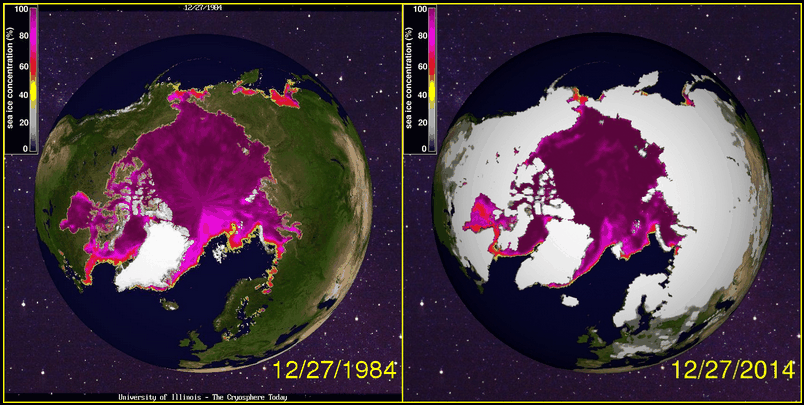
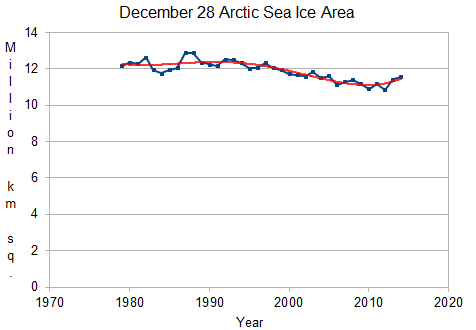
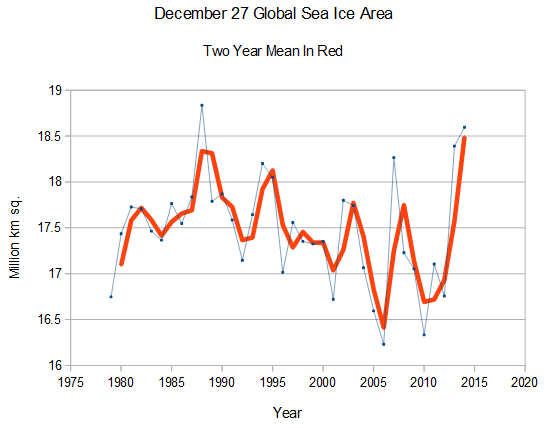
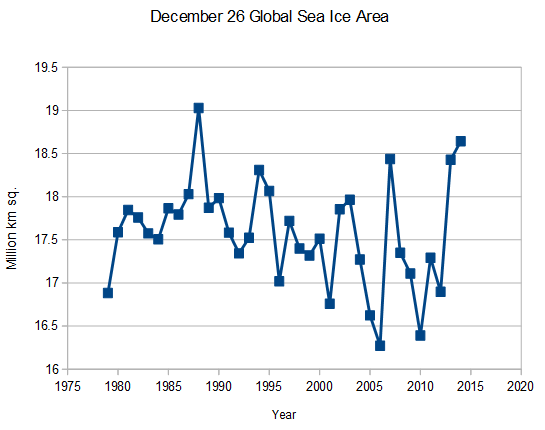
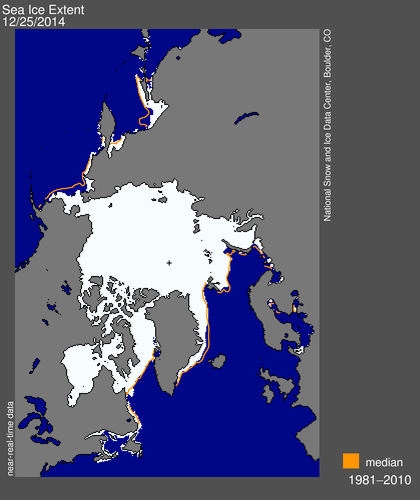
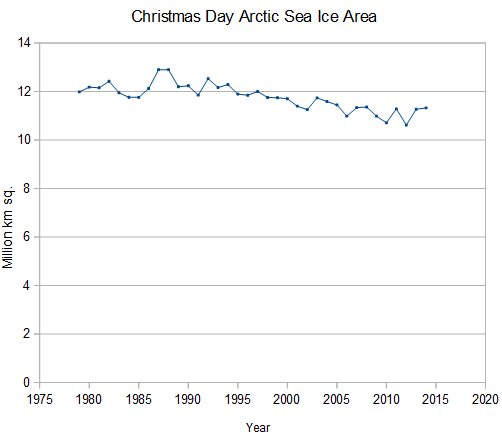
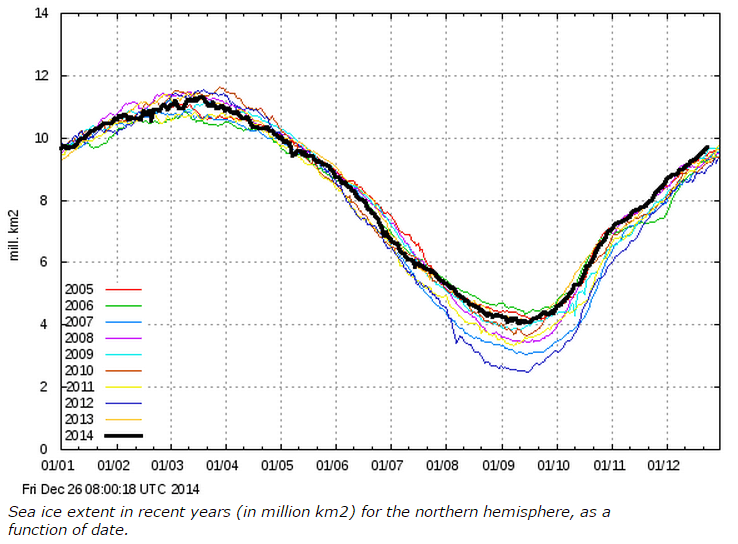
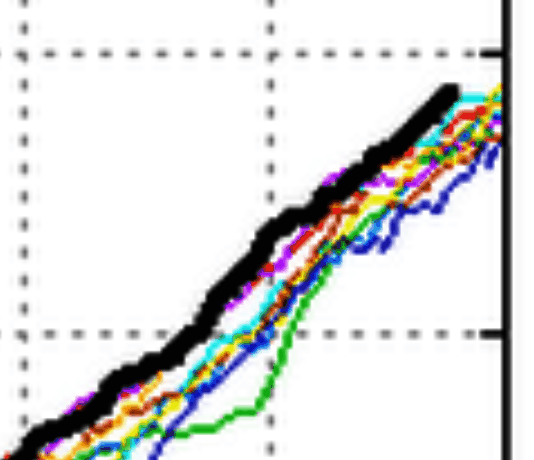
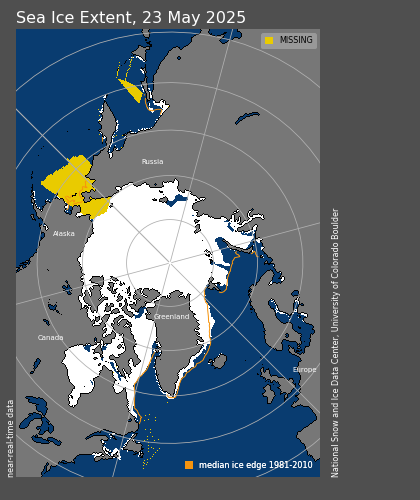
In other words, the amount of sea ice is increasing, so the penguins moved.