Avert your eyes if you are sensitive. New Mexico and Texas are beyond repair.
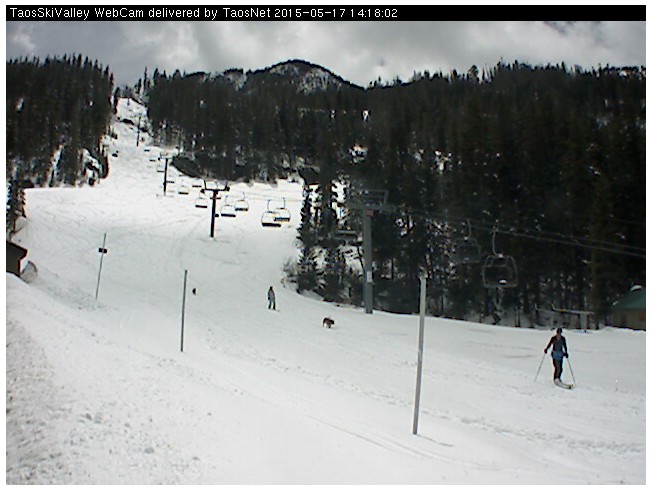
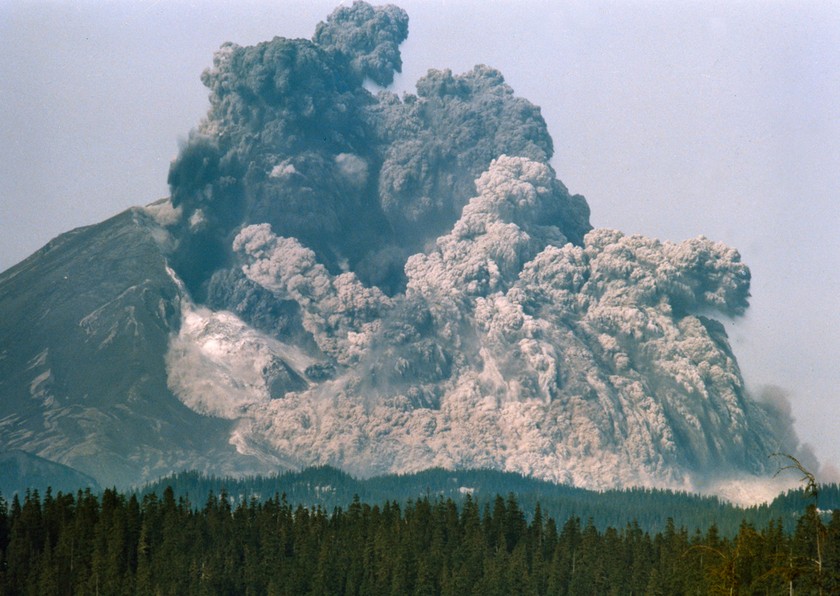
I was skiing behind Taos Ski Valley on the day Mt. St Helens erupted – which was 35 years ago tomorrow.
Avert your eyes if you are sensitive. New Mexico and Texas are beyond repair.
I was skiing behind Taos Ski Valley on the day Mt. St Helens erupted – which was 35 years ago tomorrow.
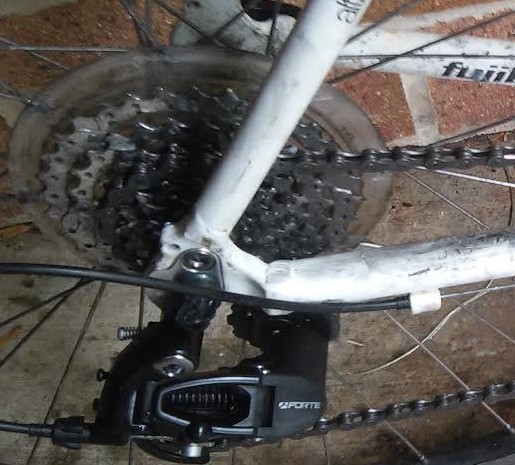
For $100, I was able to fully recover from yesterday’s fossil fuel powered thunderstorm!
This seems like a better option than spending trillions of dollars, giving up our freedom, money and energy security, and not changing the weather one iota.
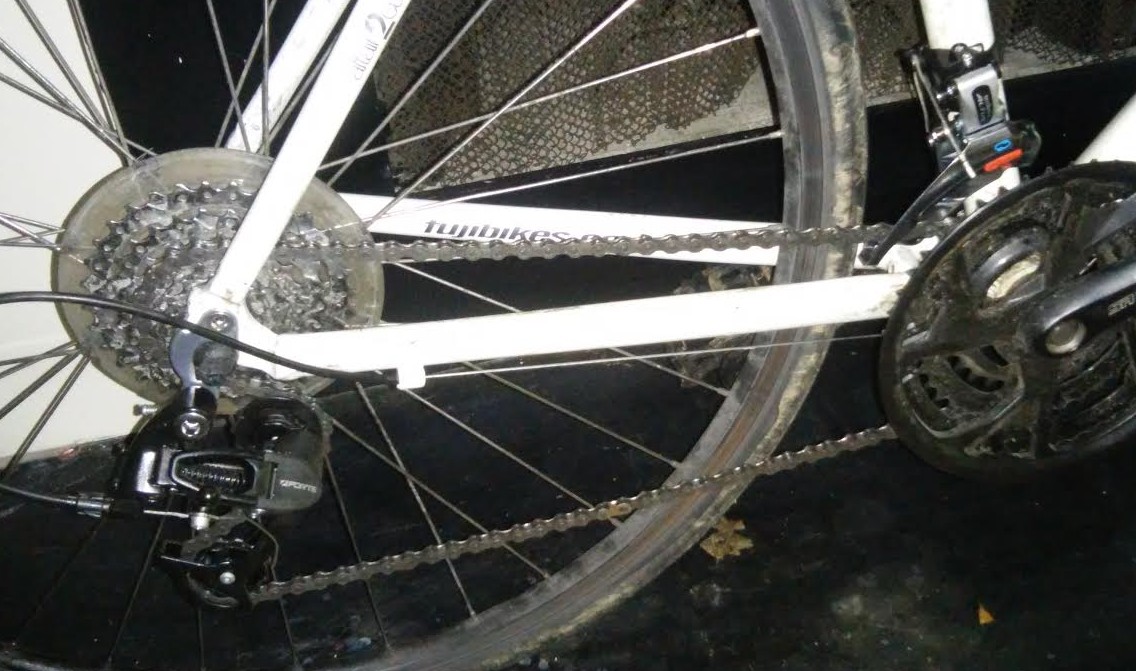
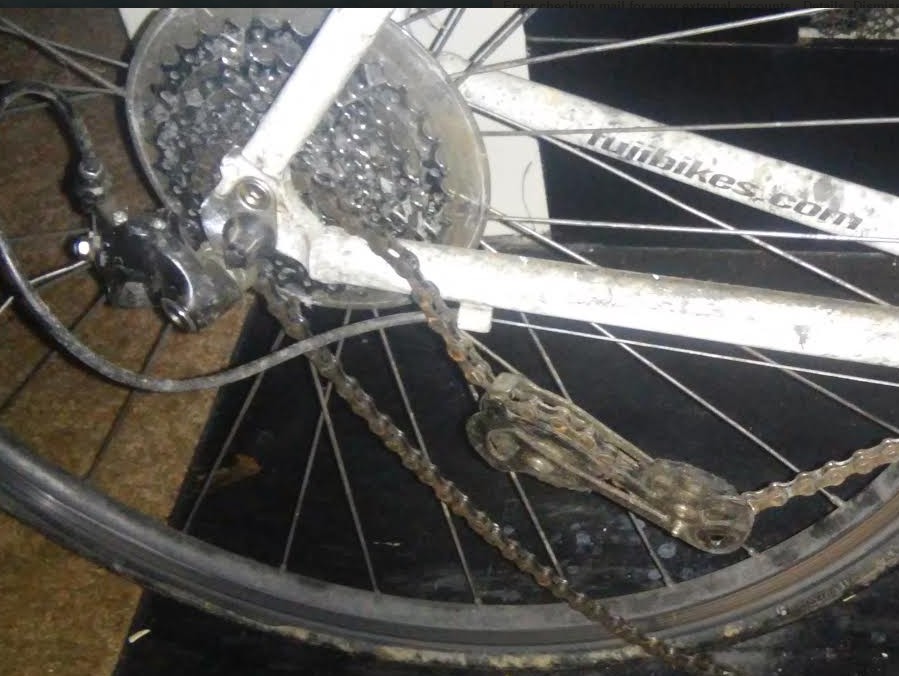
Yesterday’s fossil fuel powered thunderstorm cost me $70 for a new derailleur, bracket and and chain.
But it is worse than it seems. Looks like my front derailleur is also broken, so back to the store. (At least I can ride this time on my smallest chain ring.) Climate change will run me over $100 this week.
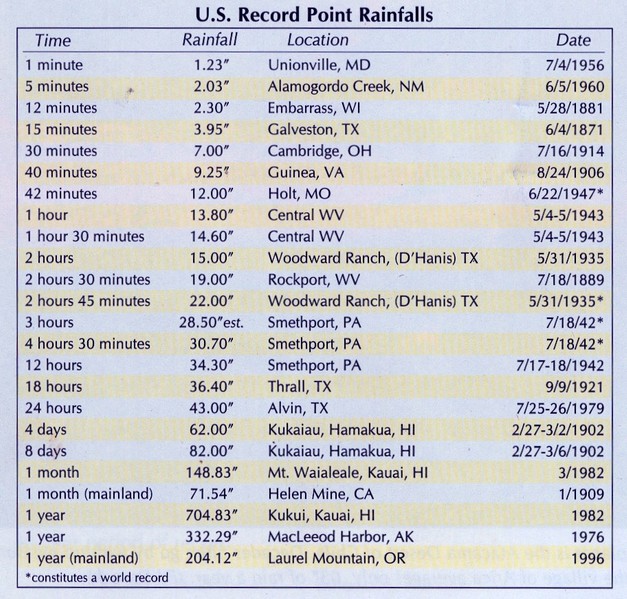
I don’t ever remember seeing a thunderstorm in Maryland below 350 PPM CO2. Of course I was never in Maryland before 2011, and there was that time in 1956 when Maryland received 1.2 inches of rain in one minute – but I wasn’t born yet.
Every single short term rainfall record in the US was set below 350 PPM CO2, but that doesn’t mean that Katherine Hayhoe shouldn’t continue to lie about it.
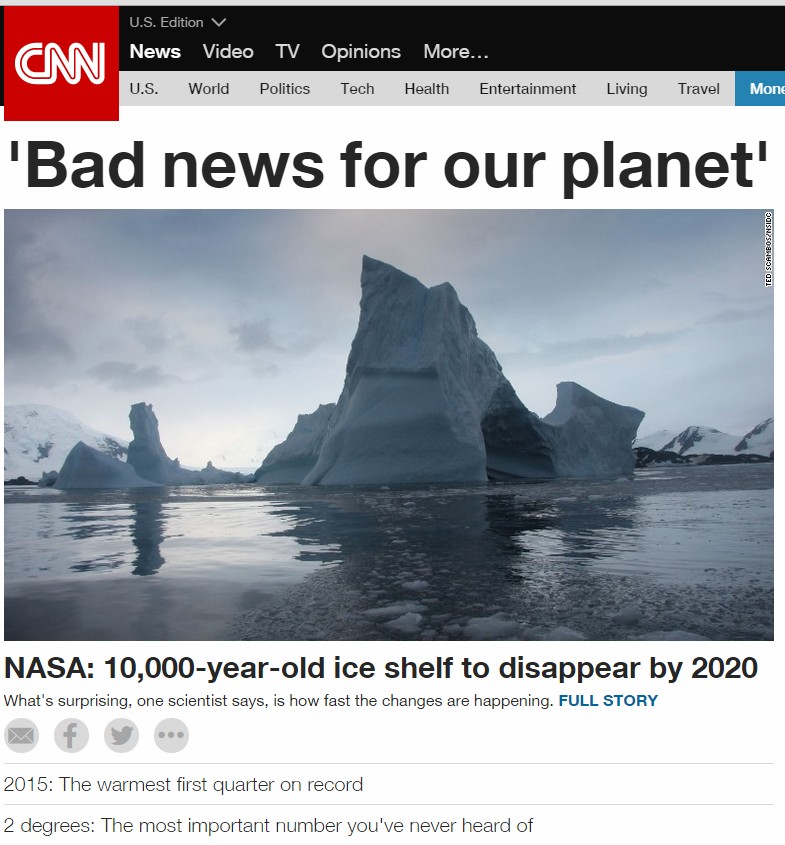
Check out the top three stories on CNN’s web site
A team led by Ala Khazendar of NASA’s Jet Propulsion Laboratory in Pasadena, California, found evidence of the ice shelf flowing faster and becoming more fragmented. The flow is creating large cracks in the ice shelf.
“These are warning signs that the remnant is disintegrating,” Khazendar said in a NASA press release. “Although it’s fascinating scientifically to have a front-row seat to watch the ice shelf becoming unstable and breaking up, it’s bad news for our planet.”
The collapse of the Larsen B Ice Shelf seems to have been caused by a series of warm summers on the Antarctic Peninsula, which happen during what in the Northern Hemisphere are winter months. Those trends built up to a particularly warm summer in 2002, according to NASA.
NASA: Antarctica’s Larsen B Ice Shelf to disappear – CNN.com
The breakup of Larsen B has little or nothing to do with global warming.
The 3200-square-kilometre Larsen B ice shelf broke apart between January and March 2002 following a series of warm summers, and after melt ponds had formed on the ice shelf. The abruptness of the break-up led many scientists to lay the blame squarely on climate change. “But the picture is much more complicated,” says Neil Glasser of Aberystwyth University in the UK.
When Glasser and Ted Scambos of the University of Colorado at Boulder – who has been tracking the increased movement of glaciers near the erstwhile Larsen B – reviewed satellite images from 1987 onwards, they saw giant rifts and crevasses created by long-term glaciological processes.
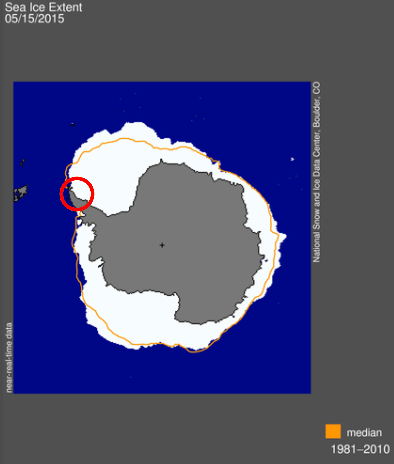
Sea ice around the Larsen Ice Shelves is at a record high.
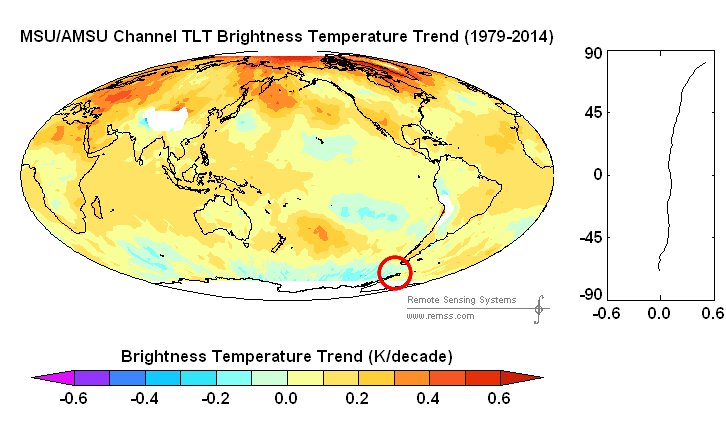
The Antarctic Peninsula is the fastest cooling place on earth
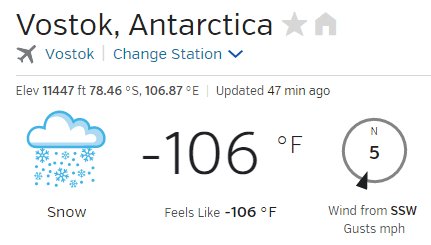
Temperatures in the interior of Antarctica are incredibly cold.
As far as their other hysterical claims, they are also complete nonsense.
2015: The warmest first quarter on record
2 degrees: The most important number you’ve never heard of
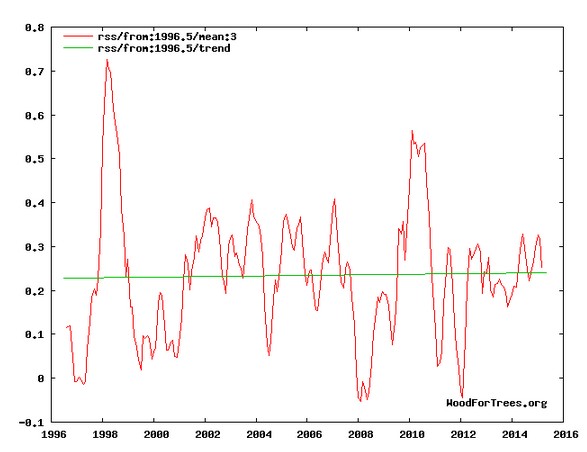
According to our most accurate data source (satellites) the planet is not warming, and the last quarter was nowhere near the warmest on record. It was quite ordinary.
Why would CNN willfully choose to ignore the best sources of temperature data, and the best science about ice shelves? Their stories are based on the propaganda of a small handful of global warming hacks.
CNN makes Soviet Pravda look like honest reporting. They are pushing complete lies on the public.
“Climate is changing faster than it has in the history of Western civilization,” (Hayhoe) said.
Less than four weeks ago, Katherine Hayhoe announced climate doom for Texas.
APRIL 22, 2015
environmental activists and reporters began to ask whether “drought”—a temporary weather pattern—was really the right term for what was happening in the state, or whether “desertification” was more appropriate. “We’re on our fourth year of drought,” Katharine Hayhoe, director of the climate science center at Texas Tech University in Lubbock, told the industry magazine Meatingplace. “In order to replenish depleted reservoirs and soil moisture, we don’t need just a normal year or just a single rainfall. We need an unusually wet year to get back to normal conditions.” But the early months of 2015 have seen less than 1.4 inches of total precipitation—not even a third of what is considered normal rainfall, much less enough to replenish surface water and groundwater resources.
What Climate Change Is Doing to the Texas Cattle Ranch | The New Republic
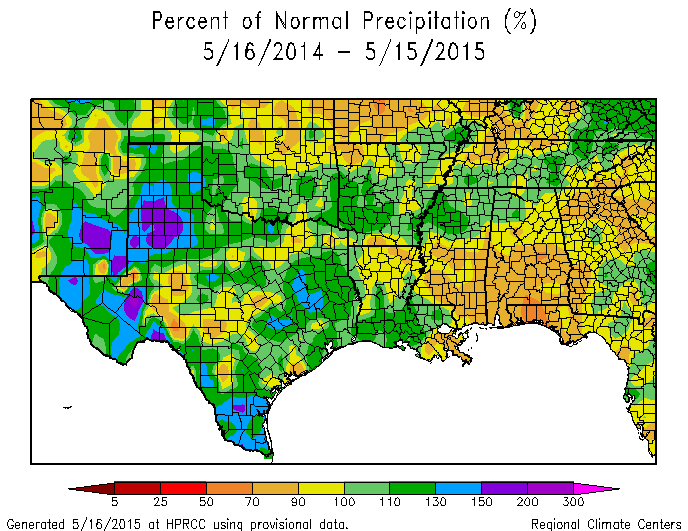
Lubbock has had close to double their normal rainfall over the past year.
Current Climate Summary Maps – Powered by ACIS – High Plains Regional Climate Center
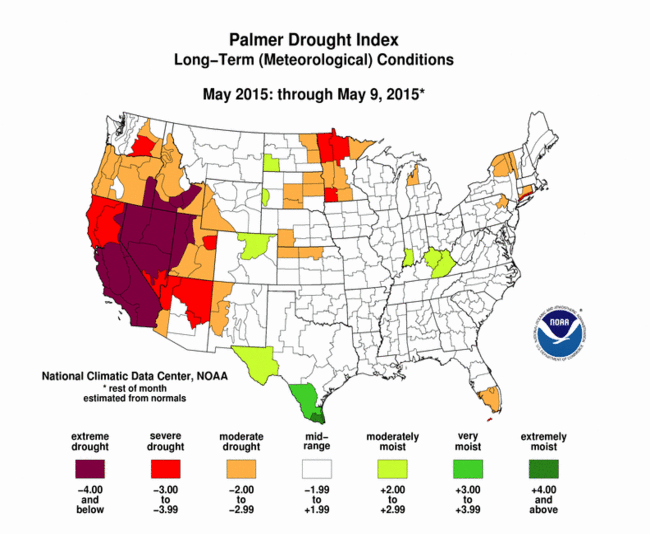
No part of Texas is experiencing drought.
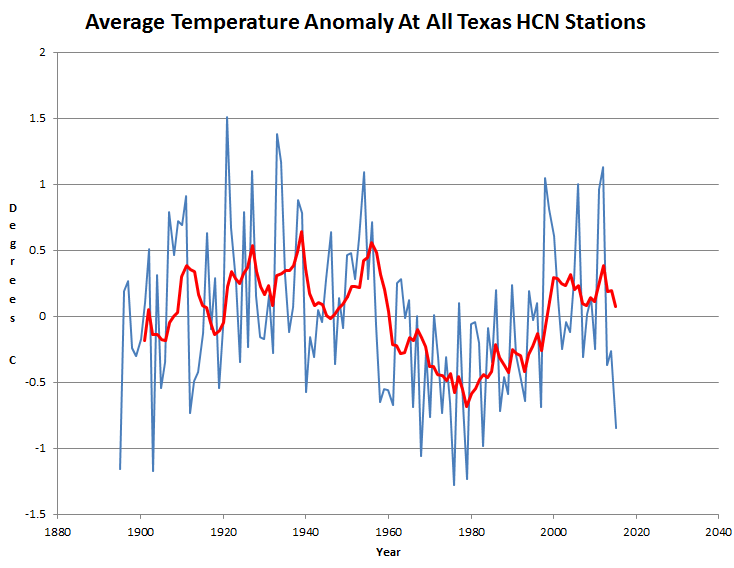
Texas temperatures peaked in 1921. There is nothing even the slightest bit unusual going on in Texas, other than a long hurricane drought.
Like most climate scientists, Katherine believes that all random neuron discharges in her brain actually mean something.
We had a fossil fuel powered thunderstorm here today. This caused lots of branches to fall on the bike path. While riding my bike to the gym, a branch got caught in the chain and sheared off my derailleur.
I calculate that derailleur shearings are 37.2% more likely now than they were just a century ago, and will be 63.4% more likely by the year 2038.
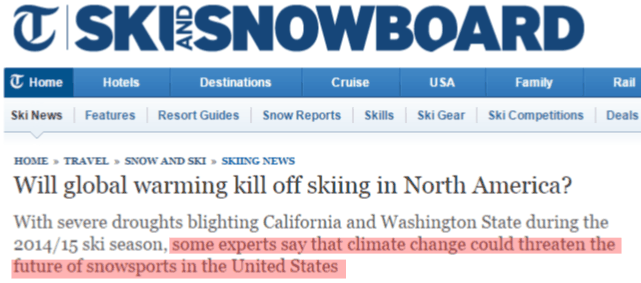
Experts say climate change could kill skiing in the US
Will global warming kill off skiing in North America? – Telegraph
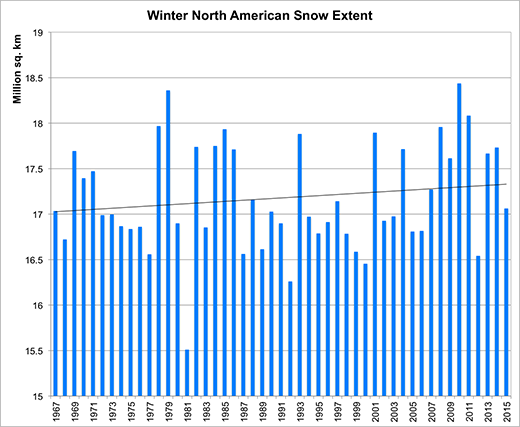
Unfortunate that none of these experts have access to the Internet, and therefore can’t learn that North American winter snow cover has been increasing, with the past decade having the greatest snow cover on record. This is due to cold air and snow dipping further south into the US, thus extending the snow line.
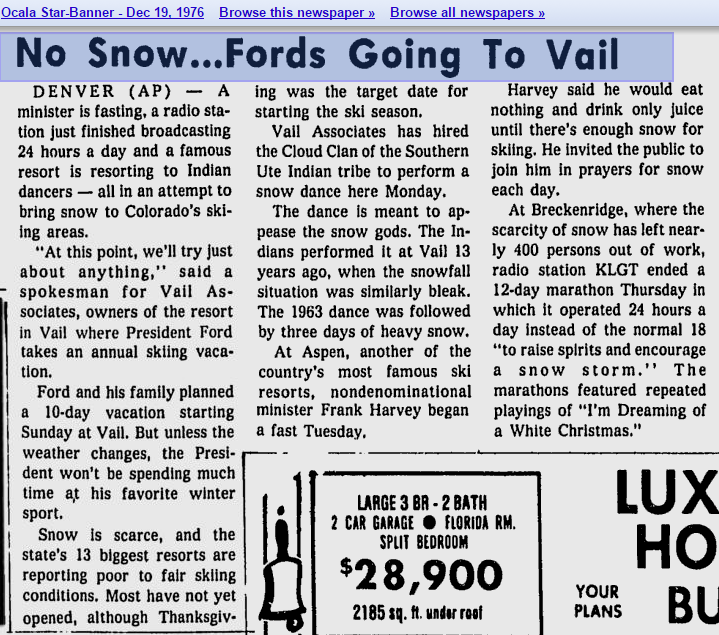
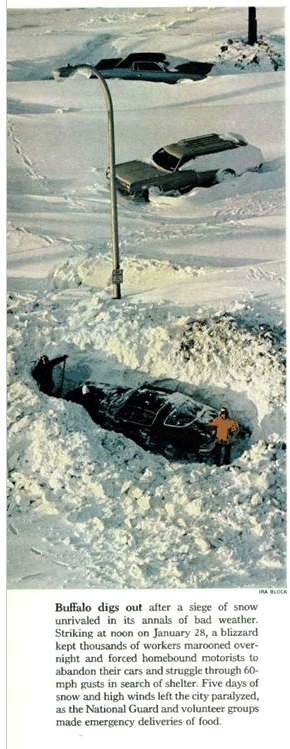
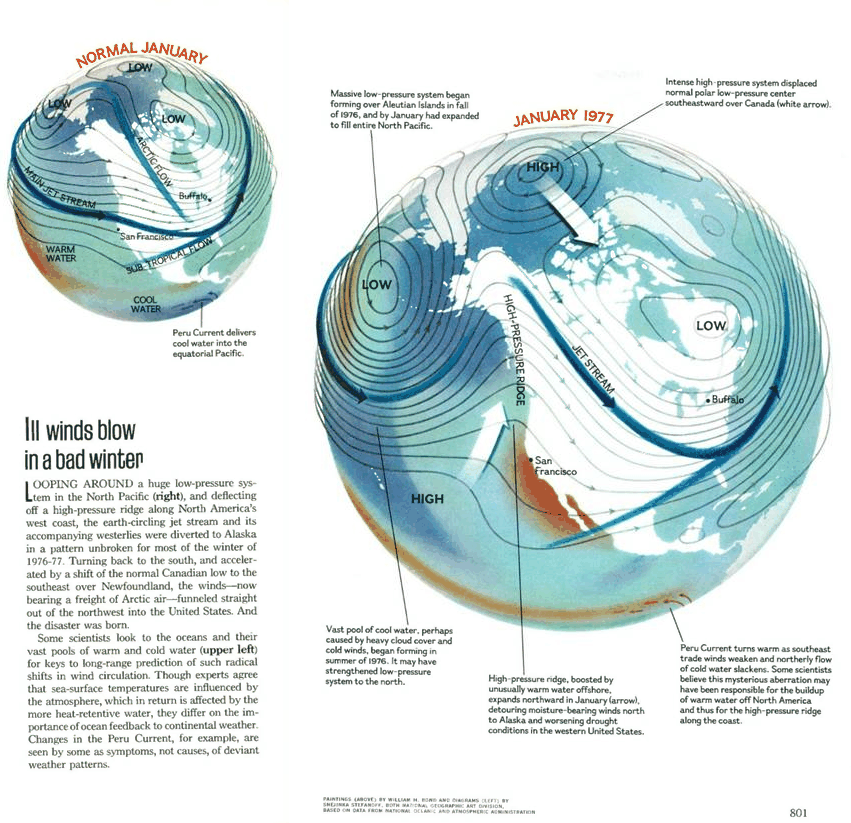
This past winter was almost a carbon copy of the winter of 1976-1977. Little snow in the west, and record snow in the east
Ocala Star-Banner – Google News Archive Search
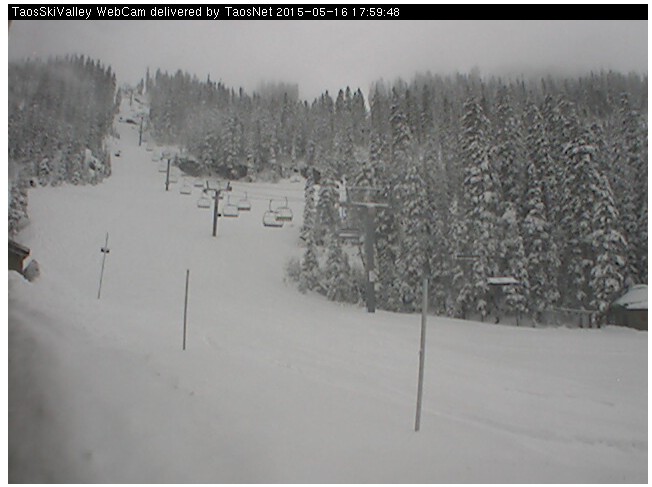
As always, climate “experts” have no idea what they are talking about. This is what Taos Ski Valley looks like today – May 16
Put a stupid idea in a scientist’s head, and look how far he will run with it.
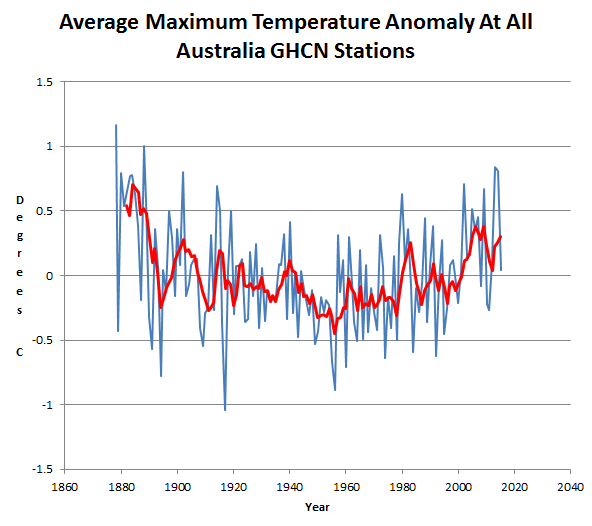
Prior to 1940, hot days in Australia were much more common.
Over the course of the full year, afternoon temperatures in Australia were warmer in the 1880’s than in the past decade.
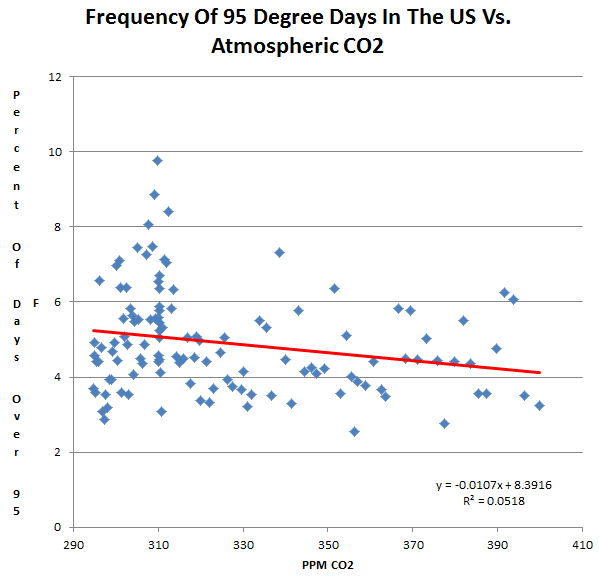
Hot weather in the US peaked in the 1930’s, and has dropped off dramatically since then. There were three times as many 95 degree days in 1936 as there were in 2014
As CO2 has increased, the frequency of hot days has decreased.
The actual data is directly contrary to the blatantly fraudulent article published in the LA Times yesterday.
This Afternoon’s Climate Fraud Award – Goes To UCLA And The LA Times