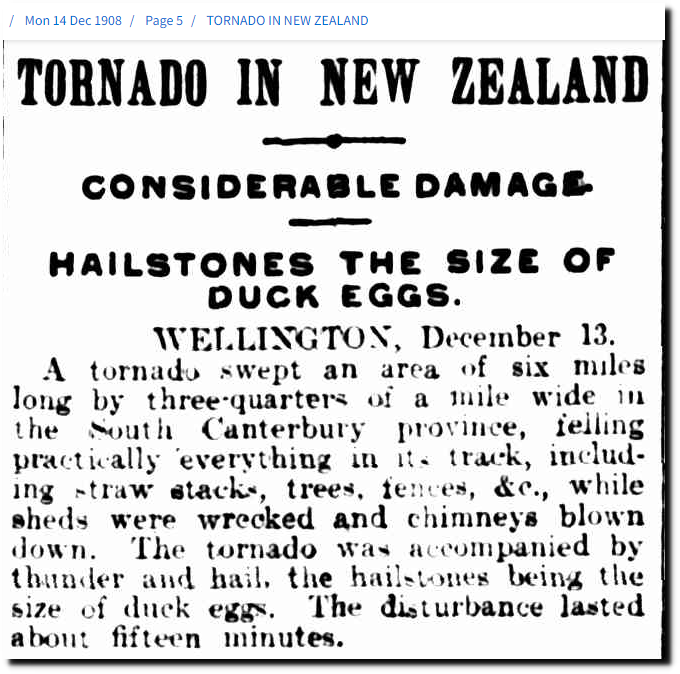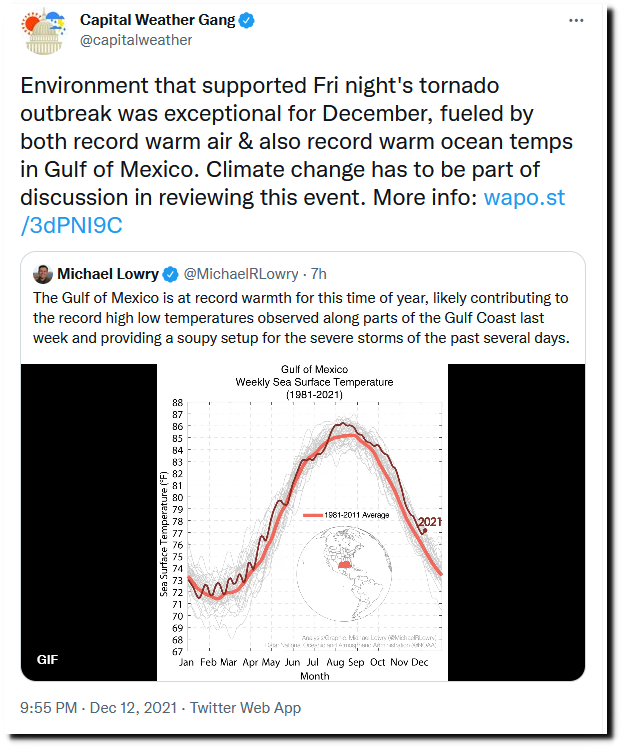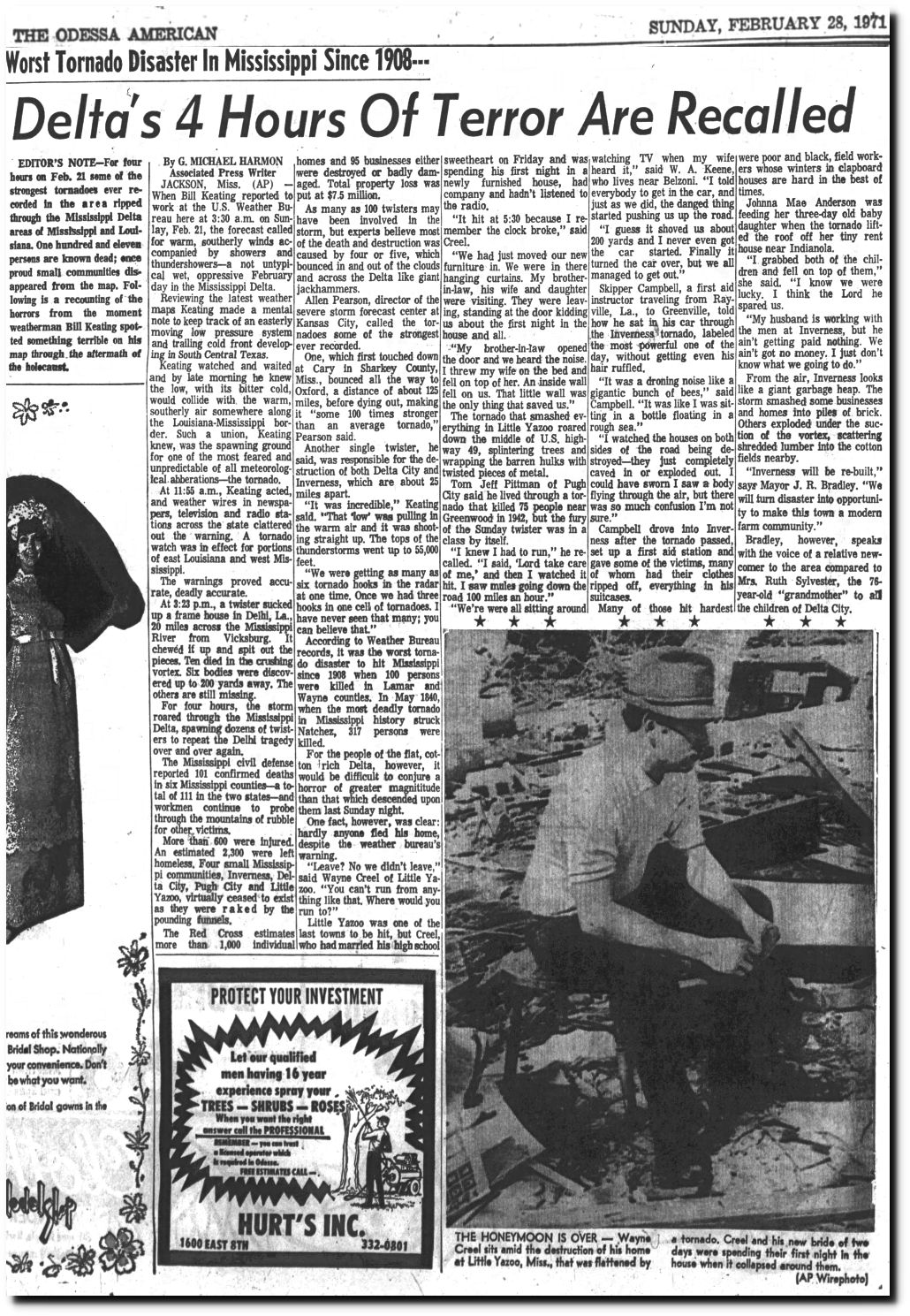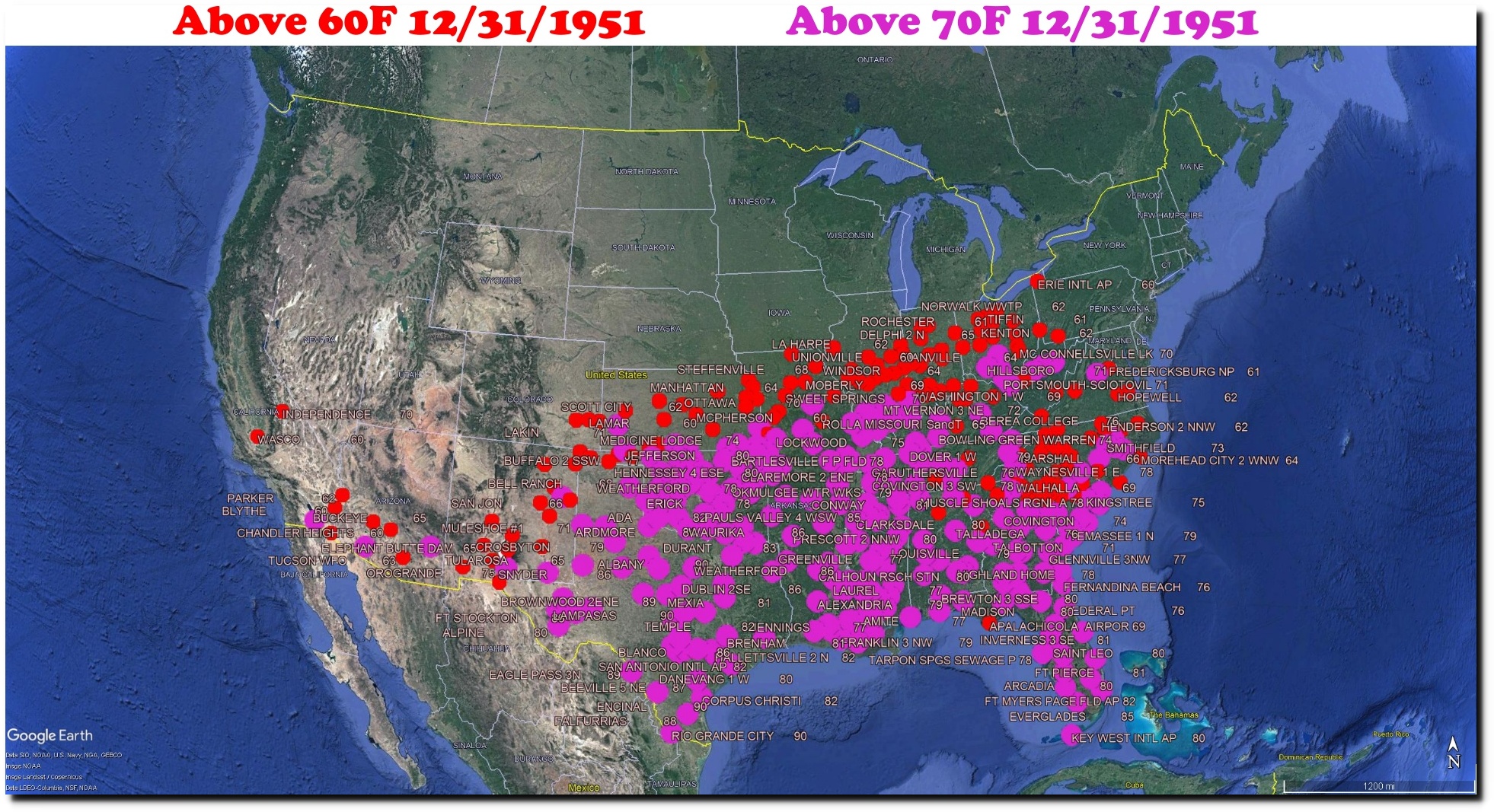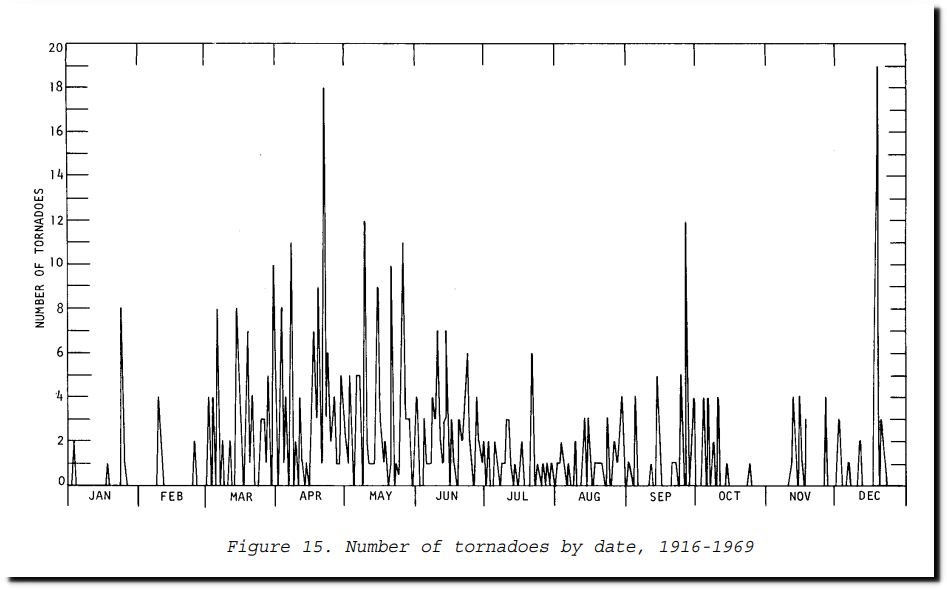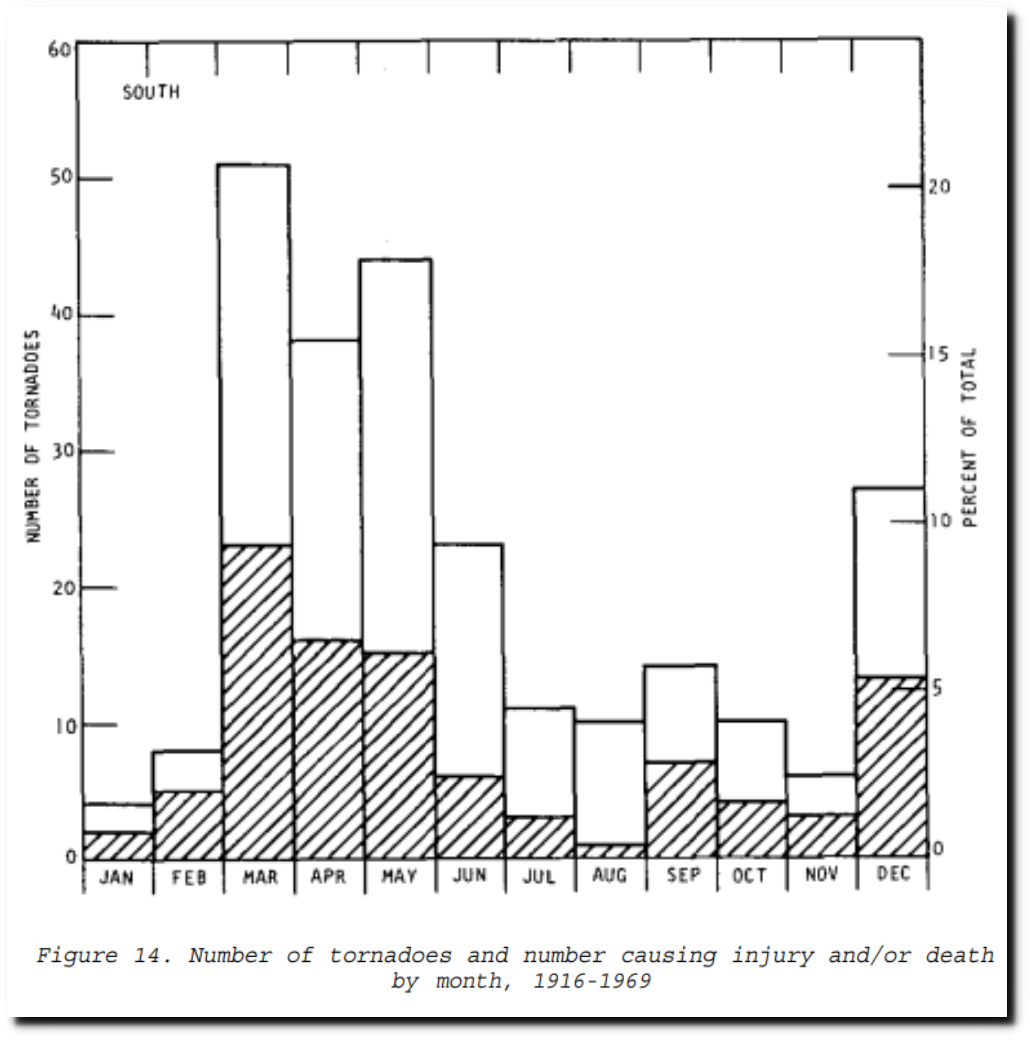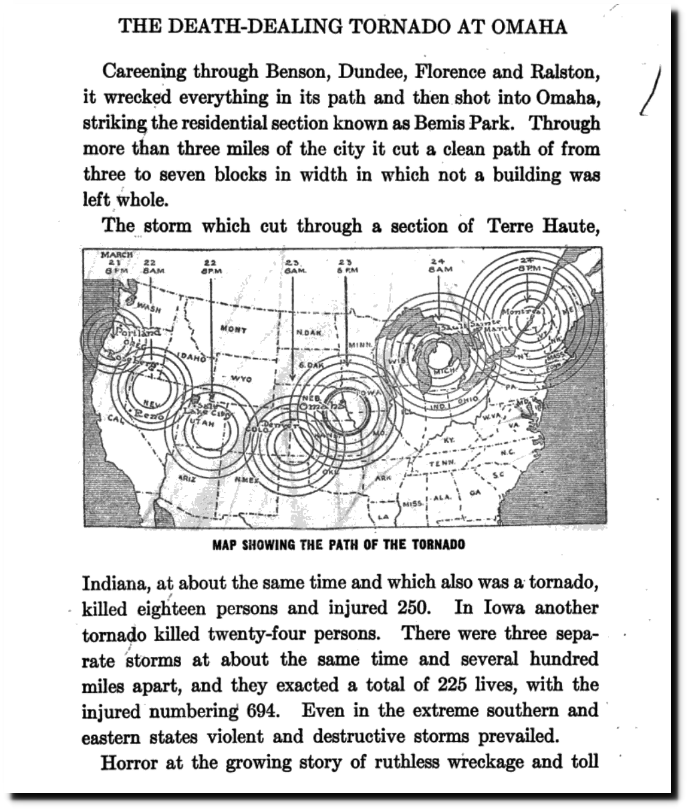
“The Arklatex into mid-South NWS offices are often the busiest when it comes to tornado formation in December. You can almost envision low pressures passing near the Gulf coast and sending warm fronts through these areas looking at the map.”
“The persistent higher temperatures, for which a number of speculative explanations have been given, began in August, 1920, and for the succeeding twelve months there was an average monthly excess above normal of 3,4 degrees”
The CDC reports that fully vaccinated people are more likely to get “the Omicron Variant” than unvaccinated people, and that three shots doesn’t help.
“(79%) occurred in persons who completed the primary series of an FDA-authorized or approved COVID-19 vaccine ?14 days before symptom onset or receipt of a positive SARS-CoV-2 test result, including 14 who had received an additional or booster dose”
But NOAA knows the graph is flawed due to changes in the way tornadoes are detected and recorded. NOAA adjusts the tornado count for inflation – which makes the apparent increase disappear.
That NOAA web page has a link to an explanation explaining what is wrong with the data. That web page has been deleted by NOAA, but is available on the Internet Archive.
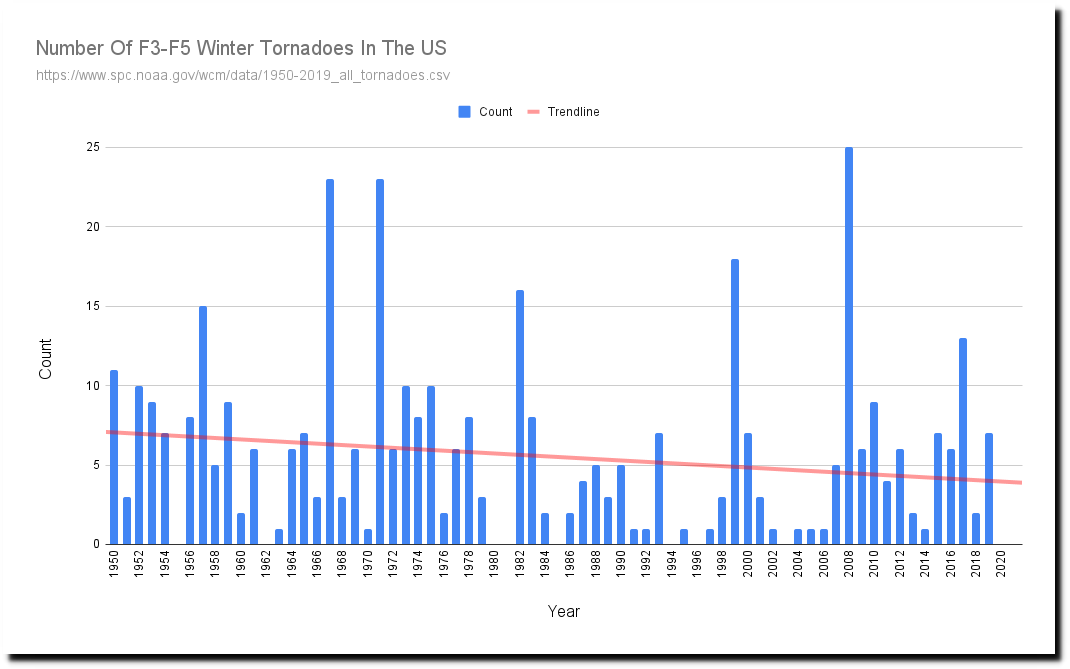
More meaningful data is the number of strong to violent tornadoes, which peaked in 1974 and have been declining for fifty years. It is much less likely that a violent tornado would have been missed in the past. This graph has also been deleted by NOAA.
In 1979, the New York Times explained the fallacy behind the widespread belief the weather was becoming more extreme and more variable.
“GENEVA, Feb 15 — This winter Chicago was paralyzed by snow. Last winter it was Boston. European Russia has just suffered its coldest December in a century. In Britain and Western Europe, the summer of 1976 was the hottest in 250 years. Droughts have recently killed 80 percent of the livestock in parts of Africa and have taken many human lives.
Does this mean that the world climate has become ominously variable? Participants in the world climate conference here who have done systematic studies of the records are almost unanimous in saying no.
Dr. W. J. Gibbs, a leading Australian meteorologist, noting current rapid dissemination of reports on floods, blizzards and “record” temperatures, said: “The variability is not greater but more apparent”.
Dr. B. John Mason, director of the British Weather Services, told a news conference that, despite “a lot of loose statements.” he knew of no evidence that the current extremes were any greater or more frequent than those in earlier decades.
People become vividly aware of current hardships and forget those of the past, Dr. Mason and others said.”
In this 1969 article, Popular Science blamed both global warming and global cooling on burning fossil fuels.
“the whole world has been cooling off since about 1940. Before that, the earth had been warming up for a considerably longer time. The switch to cooling was first spotted by Dr. J. Murray Mitchell Jr., a climatologist for the U.S. Environmental Science Services Administration. Arctic winter temperatures have now dropped an average of six degrees, he says.”
“Experts say that global warming from the early 19th century up to 1940 was caused by a more than 10-percent increase in atmospheric carbon dioxide from burning of ever-increasing amounts of fossil fuels. That produced a “greenhouse effect.”
“Another meteorologist says dirty air from cities is lengthening our winters, and that soon our northern states may not have much summer left.”
“New scientific research says that car exhausts, industrial air pollution, and jet contrails could be altering the earth’s climate and may be bringing us into a new ice age”