Wherever You Live, It Isn’t Part Of The Globe

Global warming is happening somewhere else, where only poor people and cute defenseless animals live.

Clueless over global warming?
By Valerie Ross

(Discover)  What the weather’s like affects some people’s beliefs about global climate change, a new study found: On hot days, they’re all over it, but on cold days, they’re not so sure.

This is not impressive, people. It’s called “global,” meaning not just what you personally felt when you walked out the door this morning. “Climate” also means something different from “weather”, and “change” could mean things will get warmer, colder, or just plain different. On unusually chilly days, these climatically labile folks are 0 for 3.

http://www.cbsnews.com/

Posted in Uncategorized | 1 Comment

“Climate change negotiators”

Am I imagining things, or have some segments of the world gone completely insane?

Climate change negotiators from 173 countries have agreed on an agenda after days of bickering over the scope of talks left little time for substantive discussions. The disagreement highlighted deep divisions between developing and rich countries on how to cut global carbon emissions.

The United Nations climate change talks in Bangkok produced an agenda late Friday for negotiations this year to reduce greenhouse gas emissions.

After a week of sometimes frustrating discussions of little substance, the U.N. issued a short statement saying delegates agreed to work toward a comprehensive and balanced outcome at the climate change conference in Durban, South Africa, at the end of the year.

http://www.voanews.com/

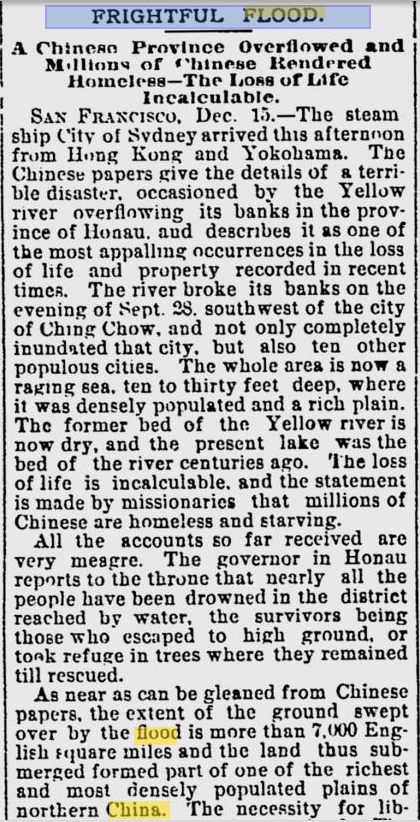
Maybe they want to make the climate like 1887, when CO2 was very low and floods killed over a million people in China?

http://news.google.com/newspapers

Posted in Uncategorized | 7 Comments

Put That Finger Down. It Is Really Annoying.

This isn’t a freshman lecture by an assistant professor.

http://www.guardian.co.uk/

Posted in Uncategorized | 7 Comments

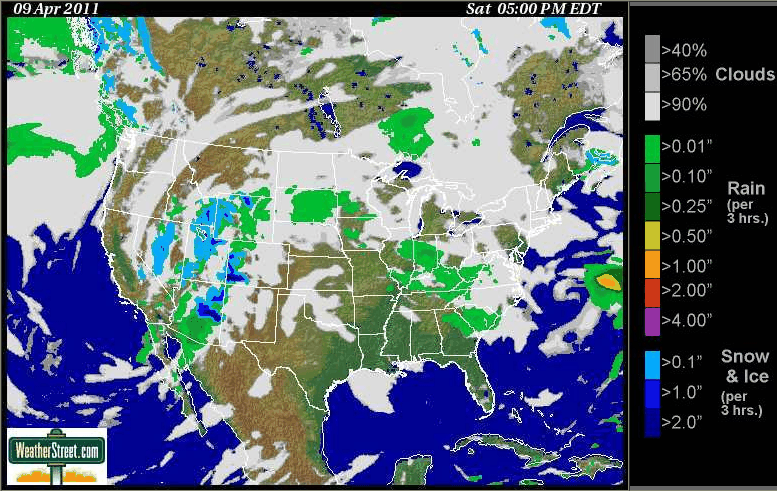
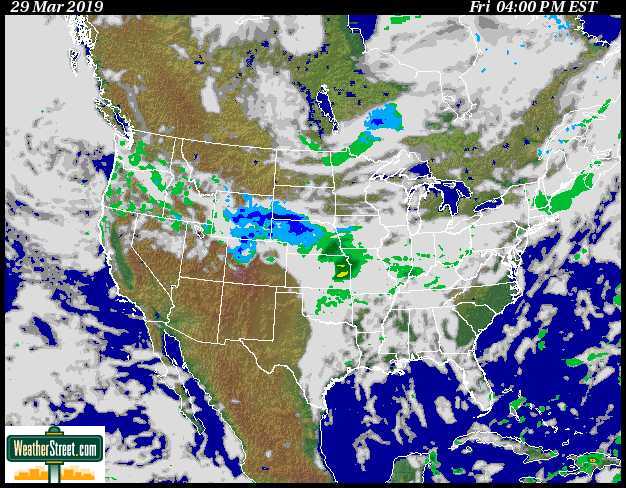
More Heavy Snow Headed For Arizona This Weekend

http://www.weatherstreet.com/data/SPC_033.jpg


Posted in Uncategorized | 2 Comments

Major Fail Below ?

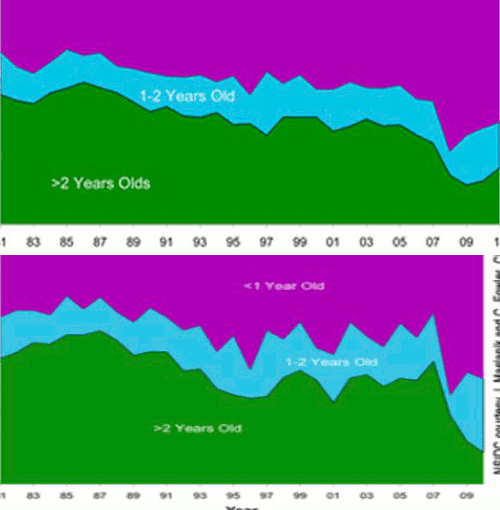
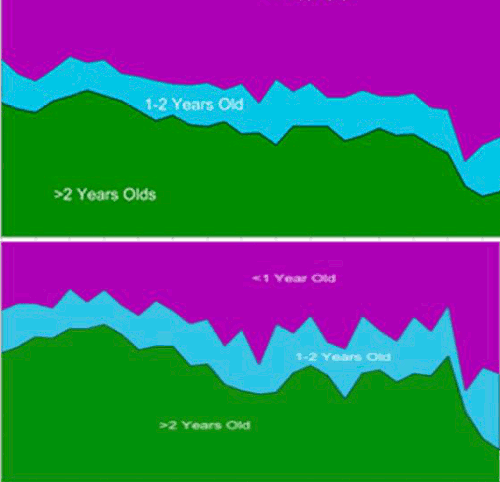
My NSIDC post below ? was looking at the wrong numbers. The comparison should have compared the September ratio of  (>1 ice/<1 ice) to the April ratio of (>2 ice/1-2 ice)

The reason being that the September <1 ice became 1-2 ice over the winter. In which case the ratios appear reasonable in the NSIDC April graph.

Posted in Uncategorized | 4 Comments

Romm : Humans Can’t Adapt Without Carbon Taxes

Darwin missed that important detail.

Posted in Uncategorized | 8 Comments

NSIDC Forgot To Throw A Party For The One Year Olds

[Update : Actually, I just forgot to use my brain. This post is completely bogus – as explained here]

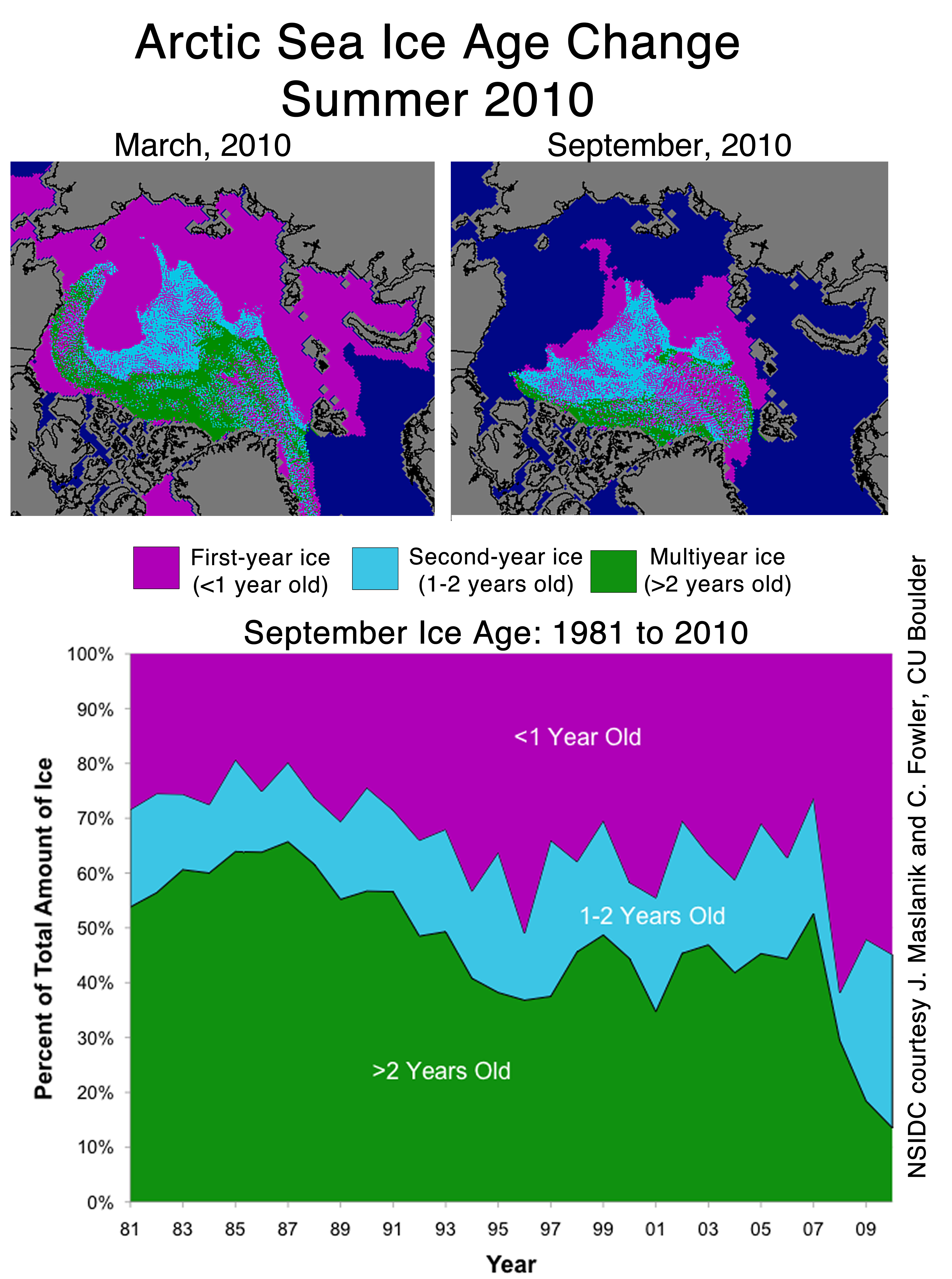
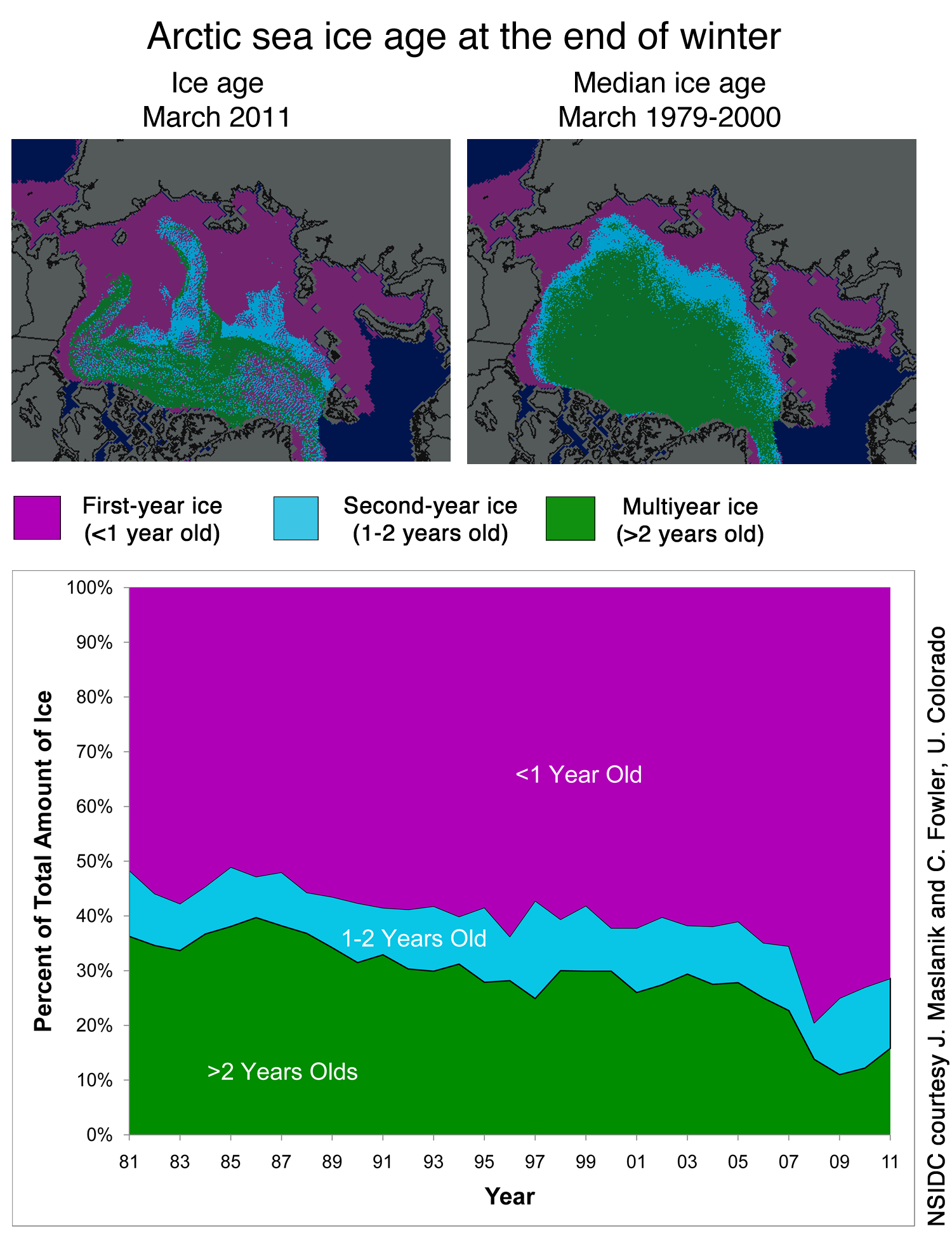
The blink comparator above flashes between normalized NSIDC end of September 2010 ice age percentages and April, 2011 ice age percentages. I see a problem.

All of the turquoise on the right edge of the September graph should have changed to green over the winter (minus any 1-2 ice which was disproportionately transported out of the Arctic.) NSIDC changed their percentage scheme from 30% concentration to 15% concentration over the winter, but that won’t account for this.

Polar drift doesn’t selectively target 1-2 year old ice, so I think something is wrong. The amount on the right edge which changed from turquoise to green looks too small to me.

Posted in Uncategorized | 9 Comments

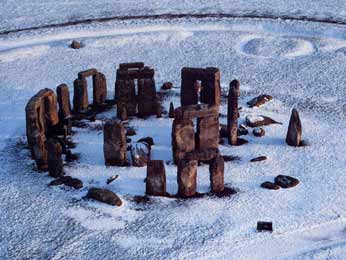
Humans Must Have Gone Extinct 5,000 Years Ago

Imagine the ice free Arctic of 5,000 years ago. Polar Bears drowning, Walruses unable to reproduce – but worst of all the planet must have been uninhabitable for humans.

2011 starts with lowest Arctic sea ice extent on record

Projections that start with more recent data will take some of this feedback into account. Projections that start with 1992 and 1995 data, as in the pink and purple lines on above image, predict a total loss of September Arctic sea ice by 2040 or 2030. A study that used 2007/2008 data as starting point predicts a nearly sea ice free Arctic in September by the year 2037.

Albedo change is only one of a number of feedback processes. A rapid rise of Arctic temperatures could lead to wildfires and the release of huge amounts of carbon dioxide and methane that are now stored in peat, permafrost and clathrates, which constitutes further feedback that could cause a runaway greenhouse effect. Heat produced by decomposition of organic matter is yet another feedback that leads to even deeper melting.

Humans and other mammals cannot survive prolonged exposure to temperatures exceeding 95°F (35°C), says Steven Sherwood. Heat stress would make many parts of the globe uninhabitable with global-mean warming of about 7°C (12.6°F). Warming of about 21°F (11-12°C) would make places where most people now live uninhabitable.

http://geo-engineering.blogspot.com/

Posted in Uncategorized | 19 Comments

PIPS Ice Thickness

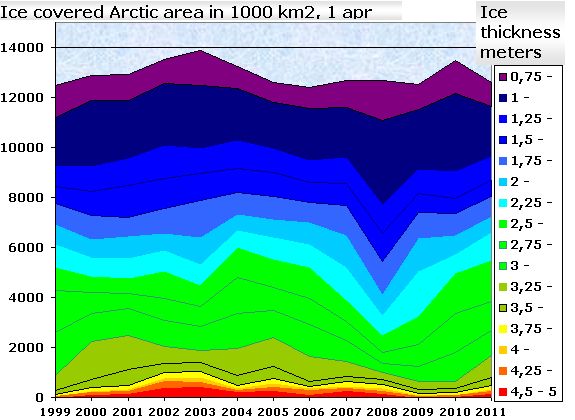
Frank Lansner sent this graph of PIPS Arctic ice thickness over. It shows fairly good correlation since 1999 with the NSIDC ice age graph at bottom. 2007-2008 was an anomaly, and the ice volume is clearly growing over the last three years.

http://nsidc.org/arcticseaicenews/2011/040511.html

Posted in Uncategorized | 3 Comments

Why is a raven like a writing desk?

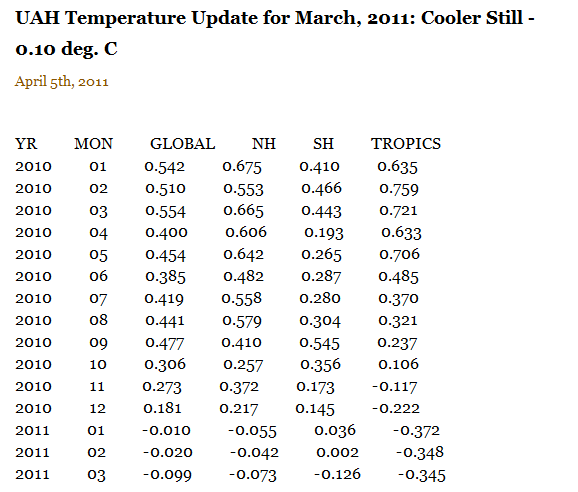
In Hansen’s world, 2010 was La Nina and 2011 is El Nino.

Even for a near record-breaking year like 2010 the broader context is more important than a single year. “Certainly, it is interesting that 2010 was so warm despite the presence of a La Niña and a remarkably inactive sun, two factors that have a cooling influence on the planet, but far more important than any particular year’s ranking are the decadal trends,” Hansen said.

http://www.giss.nasa.gov/research/news/20110113/

(2011) Based on sub­sur­face ocean tem­pera­tures, the way these have pro­gres­sed the past sever­al months, and com­parisons with de­velop­ment of prior El Niños, we be­lieve that the sys­tem is mov­ing toward a strong El Niño start­ing this summ­er. It’s not a sure bet, but it is pro­b­able.

http://www.truth-out.org/perceptions-climate-change/1301356800

So now we know – cold La Nina brings positive anomalies and warm El Nino brings negative anomalies.

Posted in Uncategorized | 5 Comments