All winter we have been hearing about the warm, unfrozen Arctic.
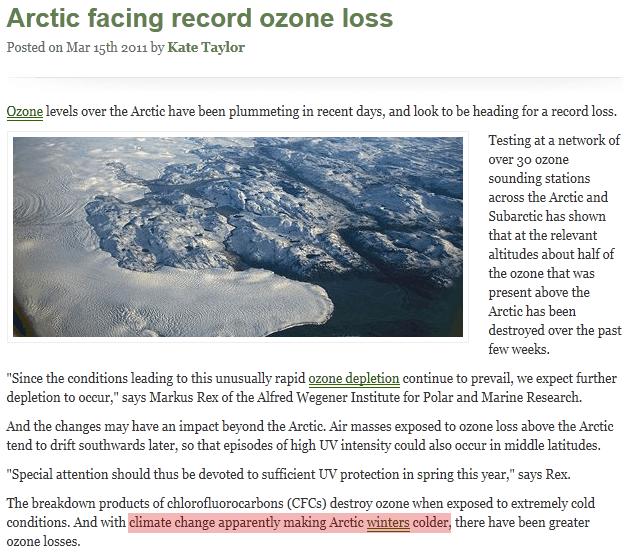
http://www.tgdaily.com/sustainability-features/54663-arctic-facing-record-ozone-loss
All winter we have been hearing about the warm, unfrozen Arctic.
http://www.tgdaily.com/sustainability-features/54663-arctic-facing-record-ozone-loss
The author thinks that natural disasters are getting worse because he doesn’t know history – or (apparently) how to use Google news searches. Natural disasters claim far fewer lives now than they did one hundred years ago.
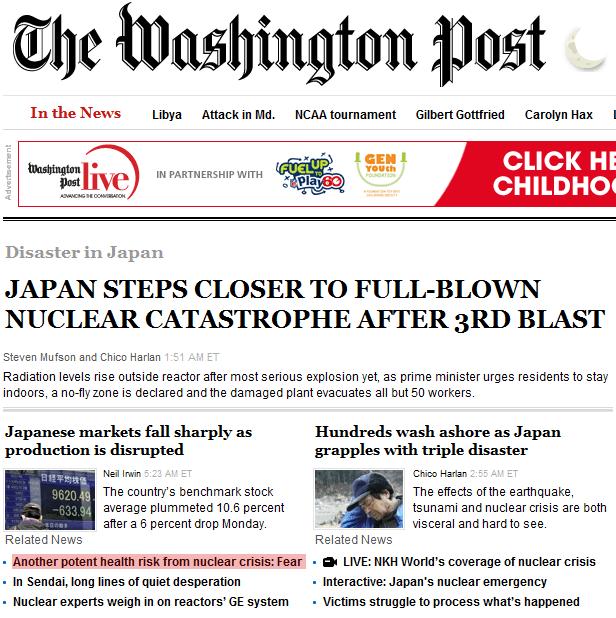
For those of us wedded to the idea of human development, we try to draw lessons from the catastrophes we manage to live through. One lesson we need to learn is that the impact of natural disasters will continue to grow. When I was a teenager back in the ancient 1960’s, there were about three billion people on Earth. In New York City this past Sunday March 13, 2011 at 11:15 AM , the World Population Clock estimated there were 6,878,805,516 people on the planet. Starting in 2007 the majority of those people lived in cities, and many of us live along coasts and in other places that put us in the pathway of probable natural disaster. If human history tells us anything, that will not change, and as our population grows to a probable peak of ten billion, it will only get worse. It is not that we will see more natural disasters; it is that our human population and built-up settlements are increasingly vulnerable to them.
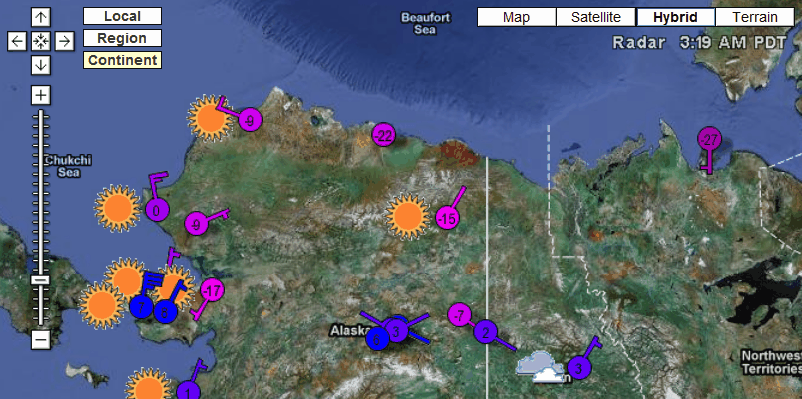
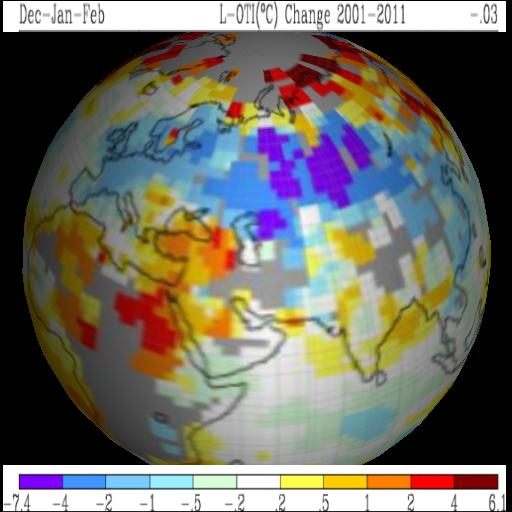
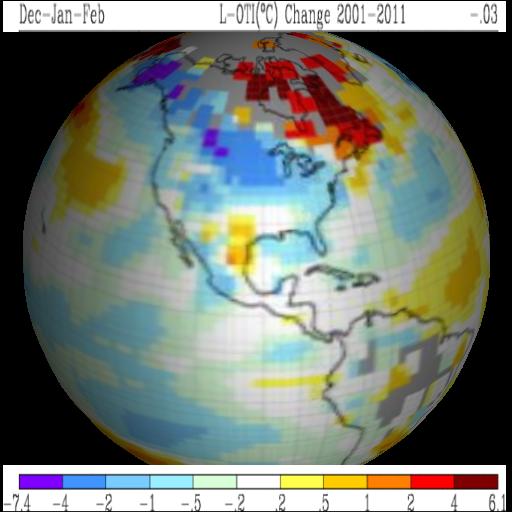
Trends for the current millennium, updated with the 2011 data. Russian and Alaskan winters are cooling at a rate of 70°C (126ºF) per century, as well as parts of western Canada.
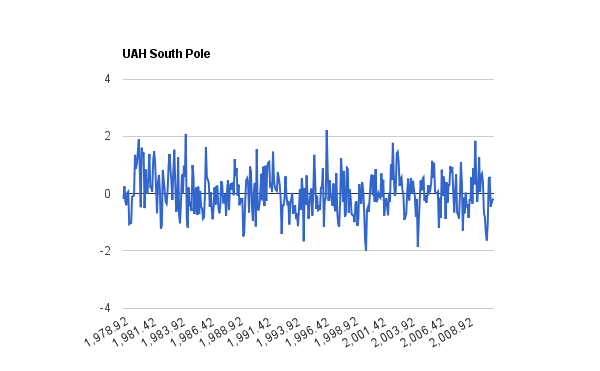
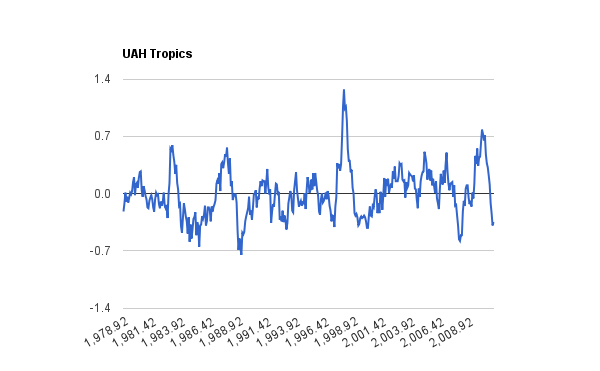
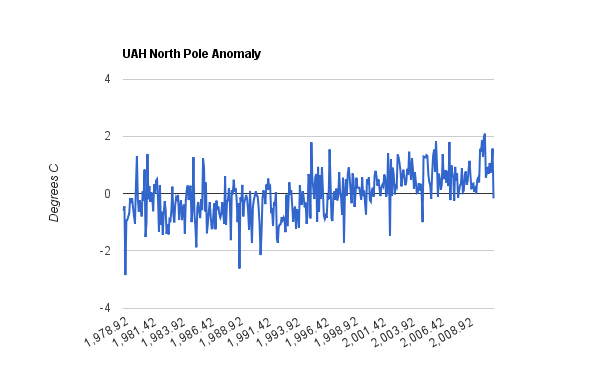
One of the critical fingerprints of global warming is that the poles warm faster than the tropics. The South Pole is cooling and the tropics are barely warming. No fingerprint there.
The Arctic warmed from 1993 to 2003, and has been flat since. The temperature record shows no CO2 fingerprint – but that isn’t going to get anyone any funding.
I thought New York drowned in 2008?
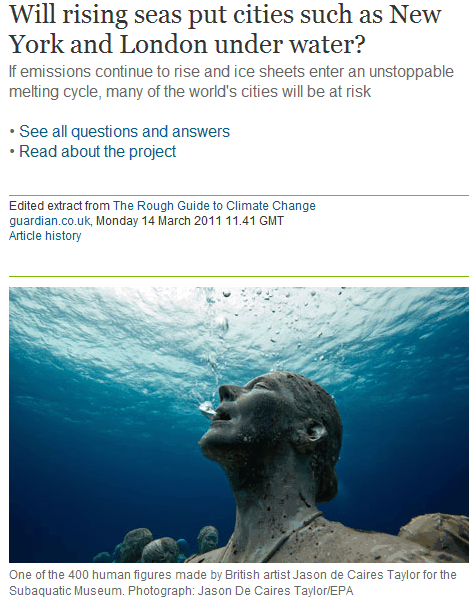
http://www.guardian.co.uk/environment/2011/mar/14/rising-seas-new-york-london
Sea level hasn’t risen much since 1970, but that won’t stop it from from rising 500X faster in the next few decades.
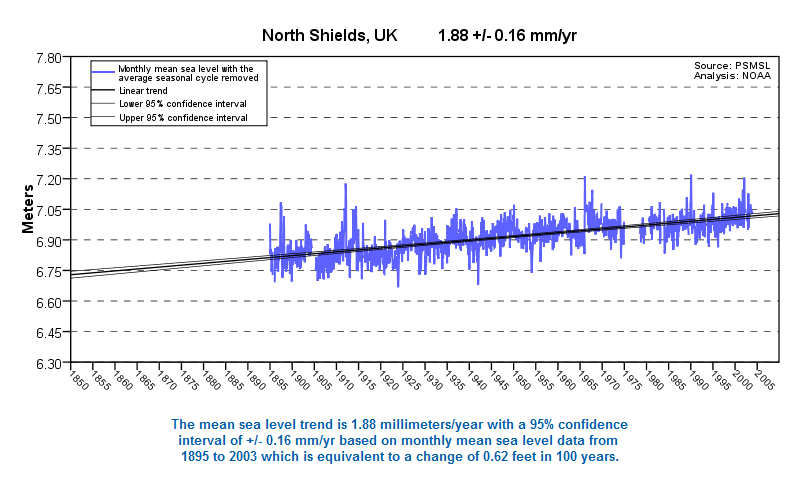
http://tidesandcurrents.noaa.gov/sltrends/sltrends_global_station.shtml?stnid=170-053
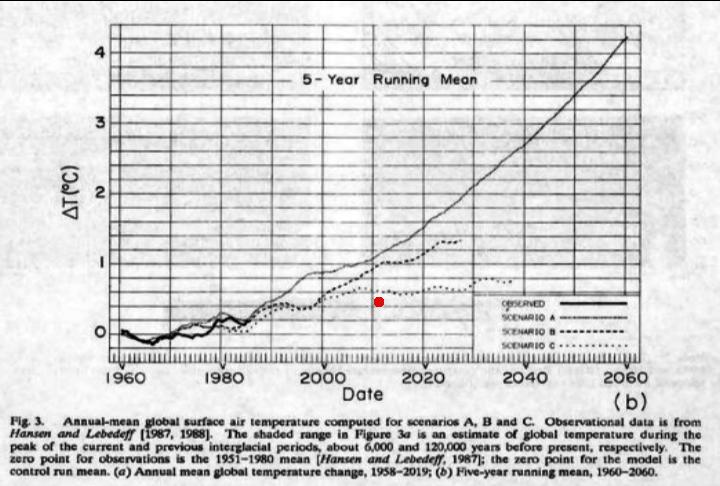
http://data.giss.nasa.gov/gistemp/tabledata/GLB.Ts+dSST.txt
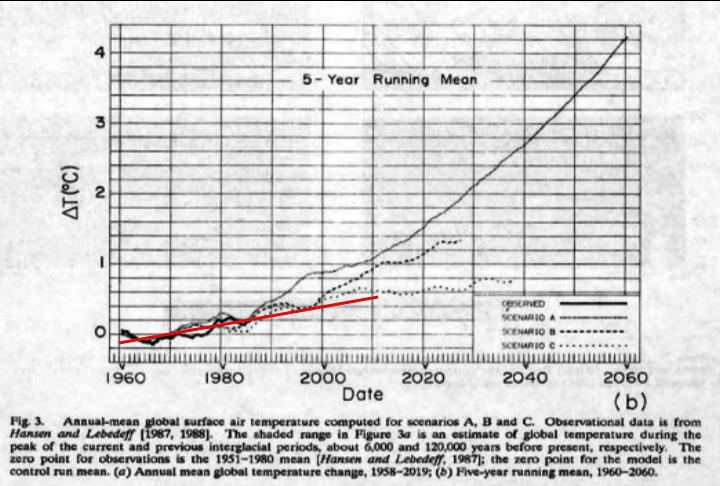
“scenario C assumes a rapid curtailment of trace gas emissions such that the net climate forcing ceases to increase after the year 2000.”