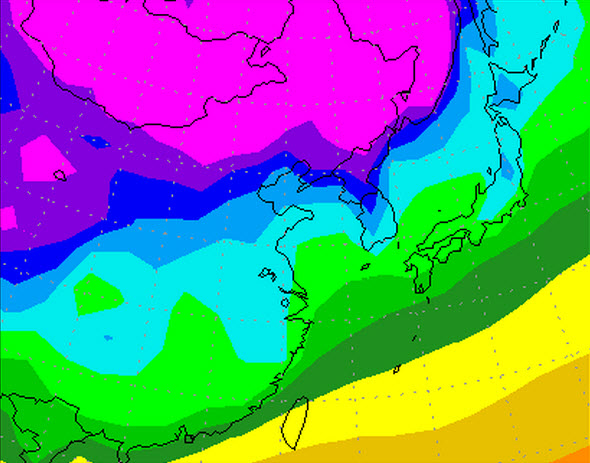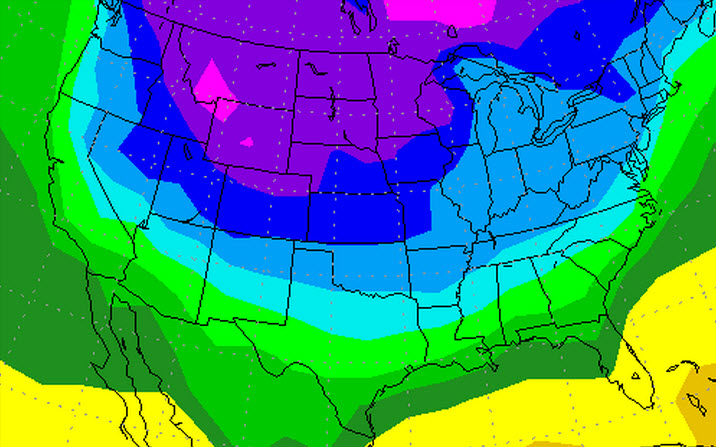
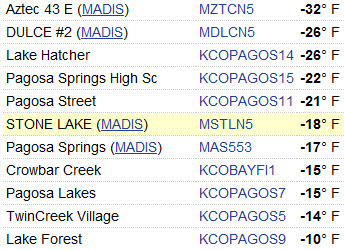
It is -36ºC in New Mexico this morning. Two weeks ago this study was released :
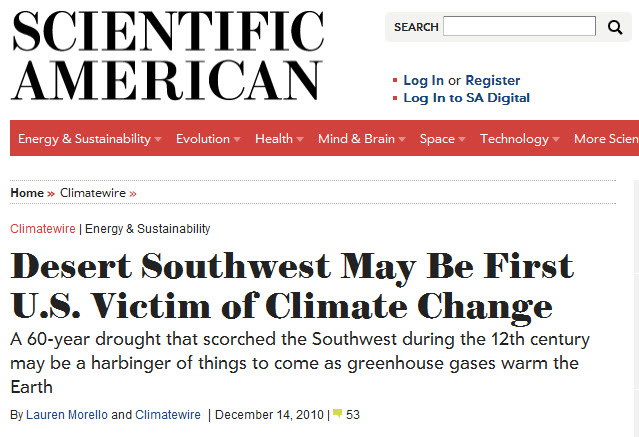
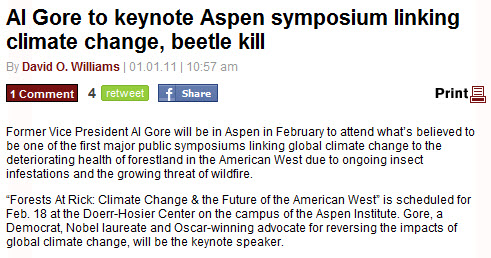
http://www.scientificamerican.com
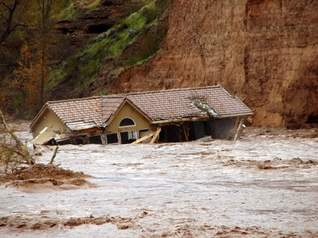
A few days later the desert southwest was hit by floods and record cold.
It is -36ºC in New Mexico this morning. Two weeks ago this study was released :
http://www.scientificamerican.com
A few days later the desert southwest was hit by floods and record cold.
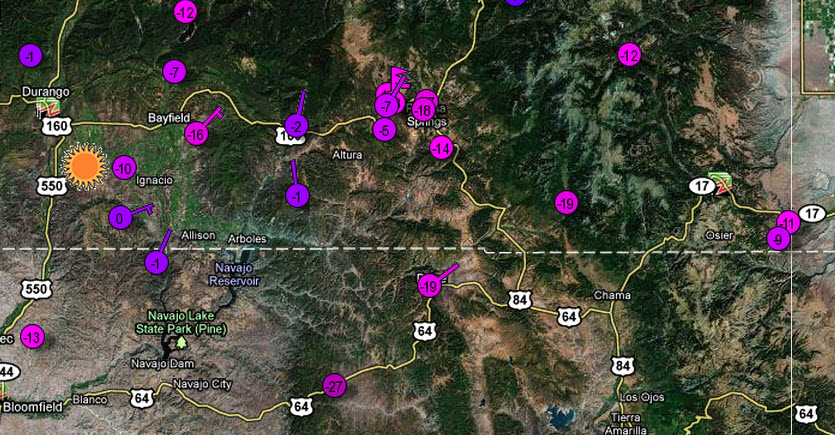
Check out the current (midnight) temperatures in Northern New Mexico and Southern Colorado. These are in Fahrenheit.
It is -27F (-33C) at Aztec, New Mexico. It will probably drop another ten degrees before morning.
Remember – the cold is just in Europe. Honourable, competent, honest climatologists have told us so.
“four years from now, the globe will start to cool again, as it did from the middle ’40s to the middle ’70s.”
Other professors at CSU tried to run him out of the department for his heresy. Looks like he may be the best climatologist in the world.
Vicki Pope got stuck at Heathrow in the snow on the way to Cancun. Then they experienced all-time record cold in Cancun.
A few days later the Met Office said the cold was confined to Western Europe.
Temperatures in Minnesota were far below normal in December, but these people are convinced temperatures were warm. Proof that you can get Pavlov’s humans to salivate global warming spew by ringing a bell.
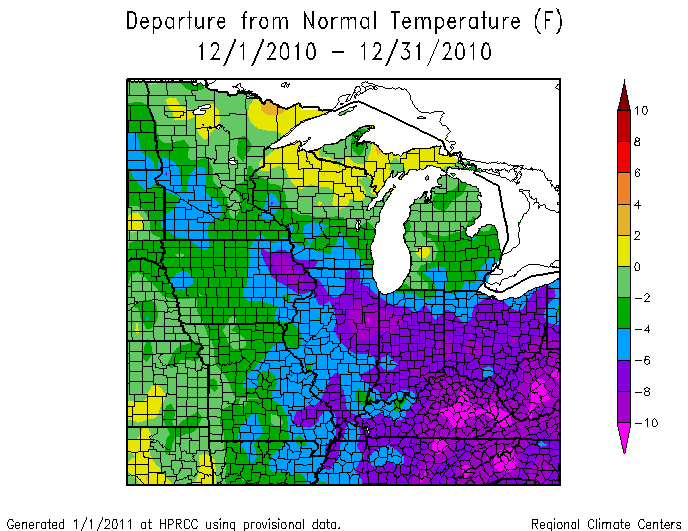
http://www.hprcc.unl.edu/products/maps/acis/mrcc/MonthTDeptMRCC.png
Unusual sightings lead experts to ponder possible global warming effects
WINONA, Minn. – A number of rare bird sightings from the Winona area’s Dec. 18 Christmas Bird Count left some local experts scratching their heads.
“You never know what you’re going to find,” said Richie Swanson, an area bird expert and longtime participant in the count. “It’s kind of like rolling the dice.”
Bird enthusiasts and other volunteers have ventured out around Christmas every year since 1900 to tally the nation’s bird population. Data collected from the count are given to the National Audubon Society and used to aid in wildlife conservation and help assess the health of animals.
“It acts as a way for us to track populations,” Swanson said.
Sightings of the yellow-rumped warbler and the yellow-bellied sapsucker, a species of woodpecker, were among the most unusual local spottings, said Bill Drazkowski, a local bird buff.
It’s rare to spy them so far north this late into the migration season, he said. Both birds are common to the Winona area in spring and summer but flock to regions south of Kansas and down into Mexico for the winter.
Area ornithology experts believe the misplaced birds are here because of a shift in weather patterns caused by global warming.
“It’s over-simplified science,” Swanson said, but global warming has changed plant and insect composition. The alterations have affected the structure of the animals’ habitat and food chain, which makes it difficult for the birds to reproduce and survive.
Volunteers recorded 51 species and 5,823 individual sightings from December’s count, said Walt Carroll, data compiler for Winona’s bird club, The Hiawatha Valley Audubon Society. The numbers are slightly up from last year’s 5,023 sightings, but they’re far from the record 78 species and 18,426 recorded in 1998.
“It’s an echo of what’s going on all around the world,” Carroll said. “It’s just warmed up that much.”
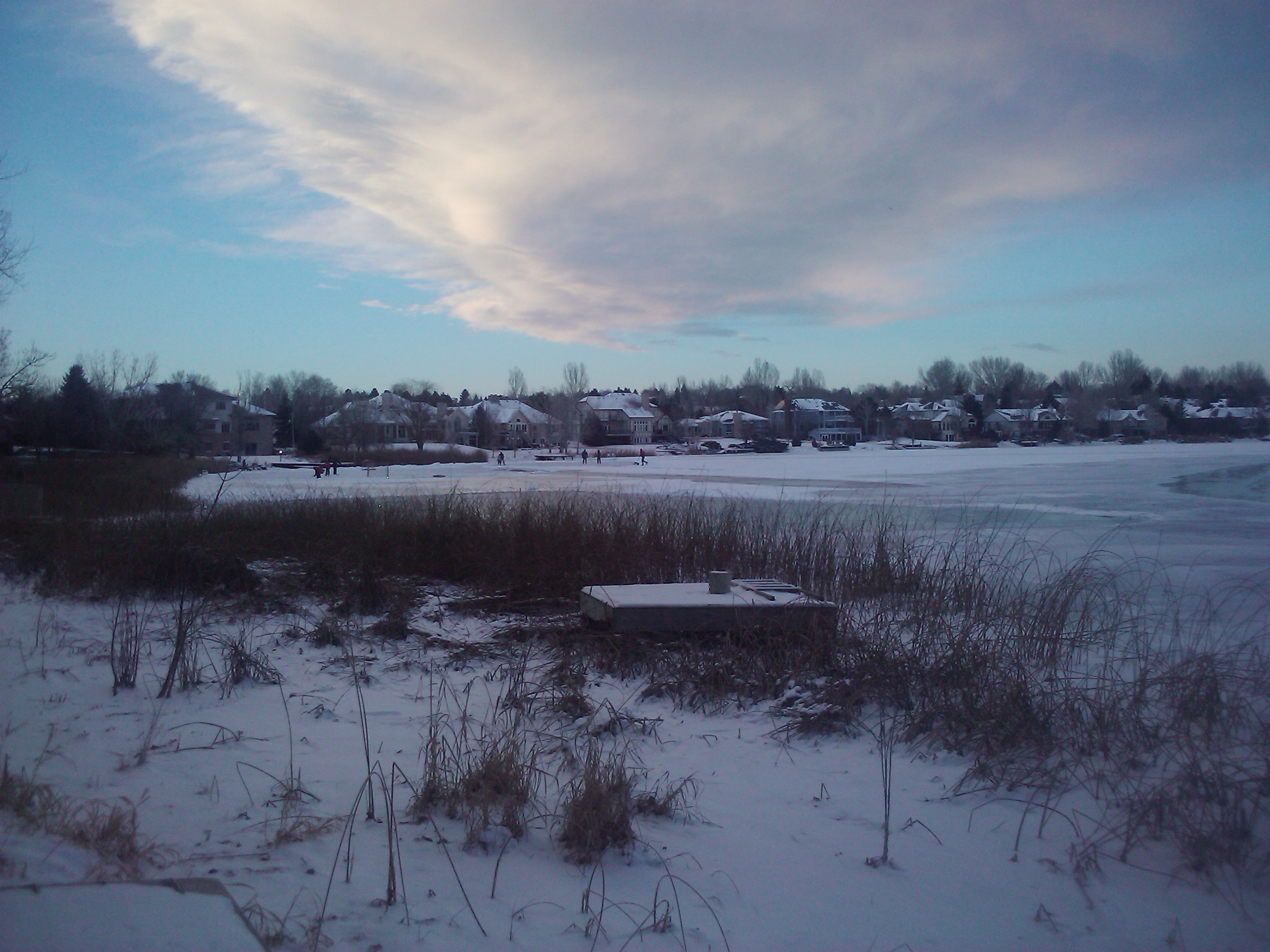
I visited a friend today who lives on a lake at the north end of town. You might be able to see some hockey players in the picture above. If you click on the image it will get much larger…..
My ride home started at -21C, though it was a bit warmer closer to town at -18C (UHI.) When the snow is that cold, it forms sharp ice crystals and is not slippery. By tomorrow morning it should be below -25C, and I will be on my bike as soon as I wake up.
The key is to keep all of your skin covered, and wear several layers of clothes.
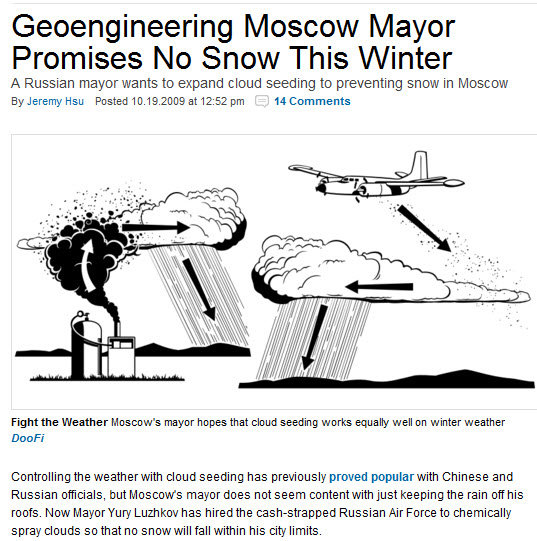
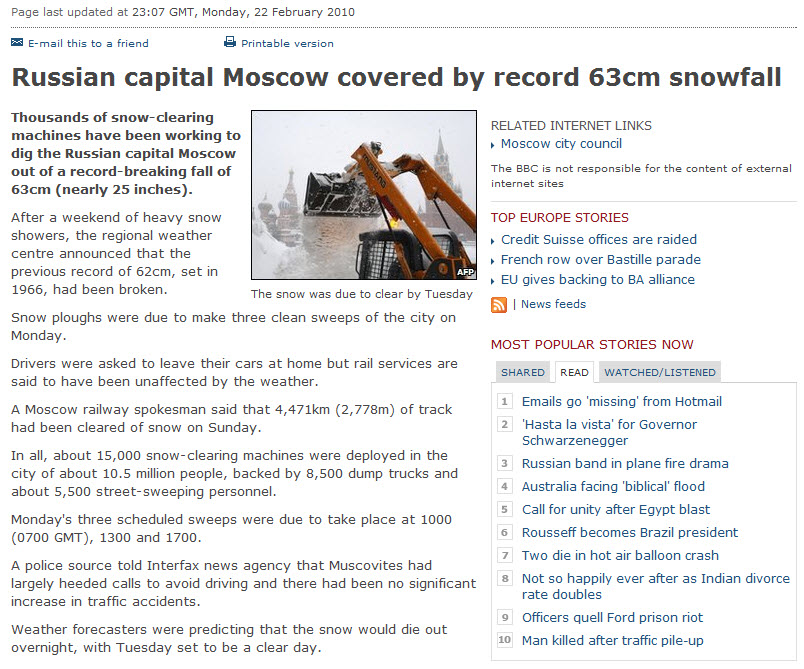
He was rewarded with the largest snowfall in history!
Look what is headed their direction.