S P:
The major problem with being a sceptic is that no one is “Right”. Each “Theory” is judged on a scale of most likely to least likely. Many claims by the current crop of Chicken Little Soldiers just fall completely off the bottom of the scale into the realm of fantasy or make believe!
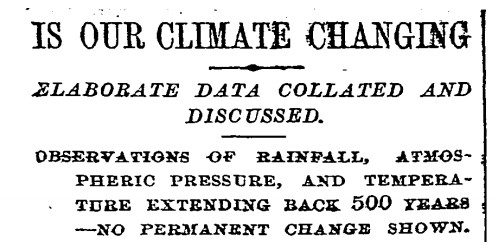
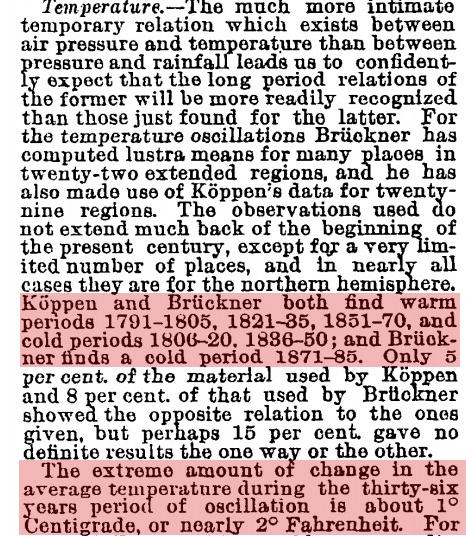
Very interesting: This continues the 1/2 of one degree C (their 1 degree F cycle) short-term temperature cycle “previously found” from today’s records into the period before 1890.
But! This indicates as well that the period of the climate’s short term cycle may be changing with longer periods between peaks and troughs: today’s short term cycle is 65 – 70 years with hot peaks at 1885-1890, 1935-1940, and 2000-2010. This data from 1790 through 1890 would plot as peaks about every 30 – 40 years, with each peak happening over a shorter span as well. (5 years across the hot spot, instead of 10+ as now.)




“Where does he get those wonderful toys?”
How do you keep coming up with these? You’re knocking the spots out of “unprecedented”.
Funny how they change their mind so many times
http://butnowyouknow.wordpress.com/those-who-fail-to-learn-from-history/climate-change-timeline/
But now they are right?
S P:
The major problem with being a sceptic is that no one is “Right”. Each “Theory” is judged on a scale of most likely to least likely. Many claims by the current crop of Chicken Little Soldiers just fall completely off the bottom of the scale into the realm of fantasy or make believe!
Very interesting: This continues the 1/2 of one degree C (their 1 degree F cycle) short-term temperature cycle “previously found” from today’s records into the period before 1890.
But! This indicates as well that the period of the climate’s short term cycle may be changing with longer periods between peaks and troughs: today’s short term cycle is 65 – 70 years with hot peaks at 1885-1890, 1935-1940, and 2000-2010. This data from 1790 through 1890 would plot as peaks about every 30 – 40 years, with each peak happening over a shorter span as well. (5 years across the hot spot, instead of 10+ as now.)