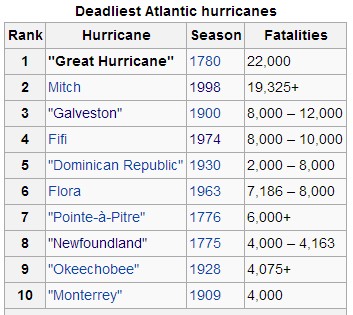
WHEN Superstorm Sandy hit the east coast of the US on October 29, it not only flooded the New York City subway and became the most important factor for 15 per cent of US voters in the presidential election a week later.
It also resurrected the unwarranted claim that global warming was to blame for such events, together with the morally irresponsible argument that we should help future hurricane victims by cutting CO2 emissions.
Sandy underscored a fundamental question for all parts of the world that are affected by hurricanes. If we want to reduce hurricane damage, should we focus primarily on a very cheap solution that would enable us to handle storm surges much better within a few years? Or should we pursue an incredibly expensive solution that would require almost 100 years to avoid 9mm of 7.5m surges?
The morally defensible answer is clear, and it has nothing to do with immediate reductions in CO2 emissions.
h/t to Tom Nelson