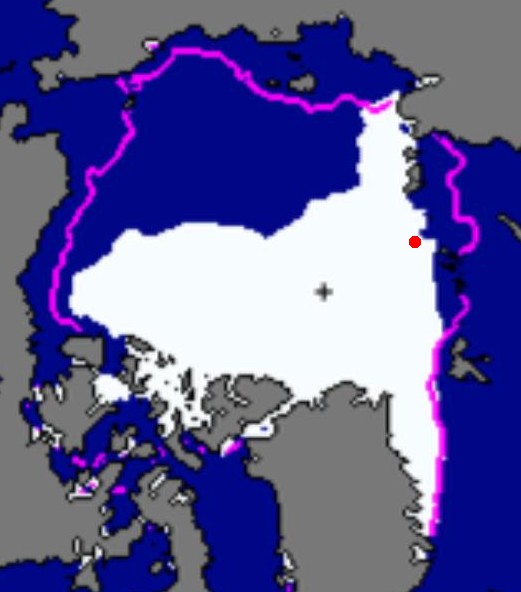
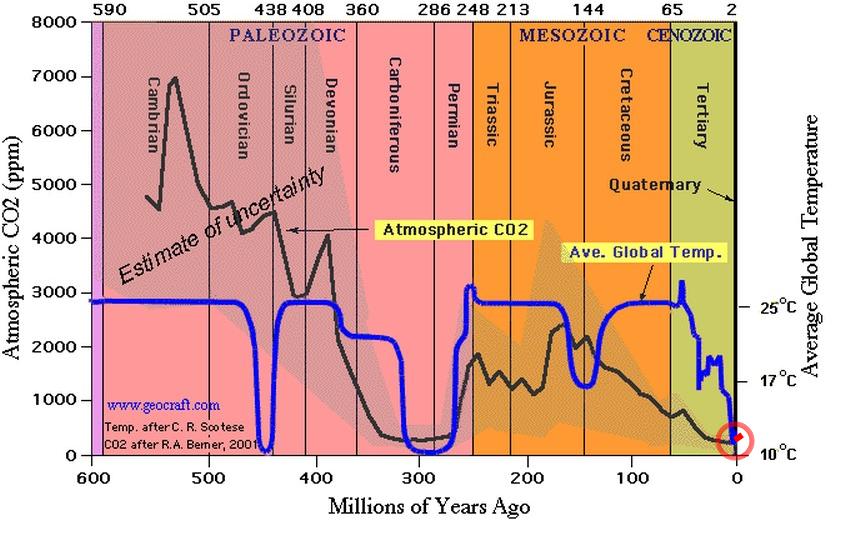
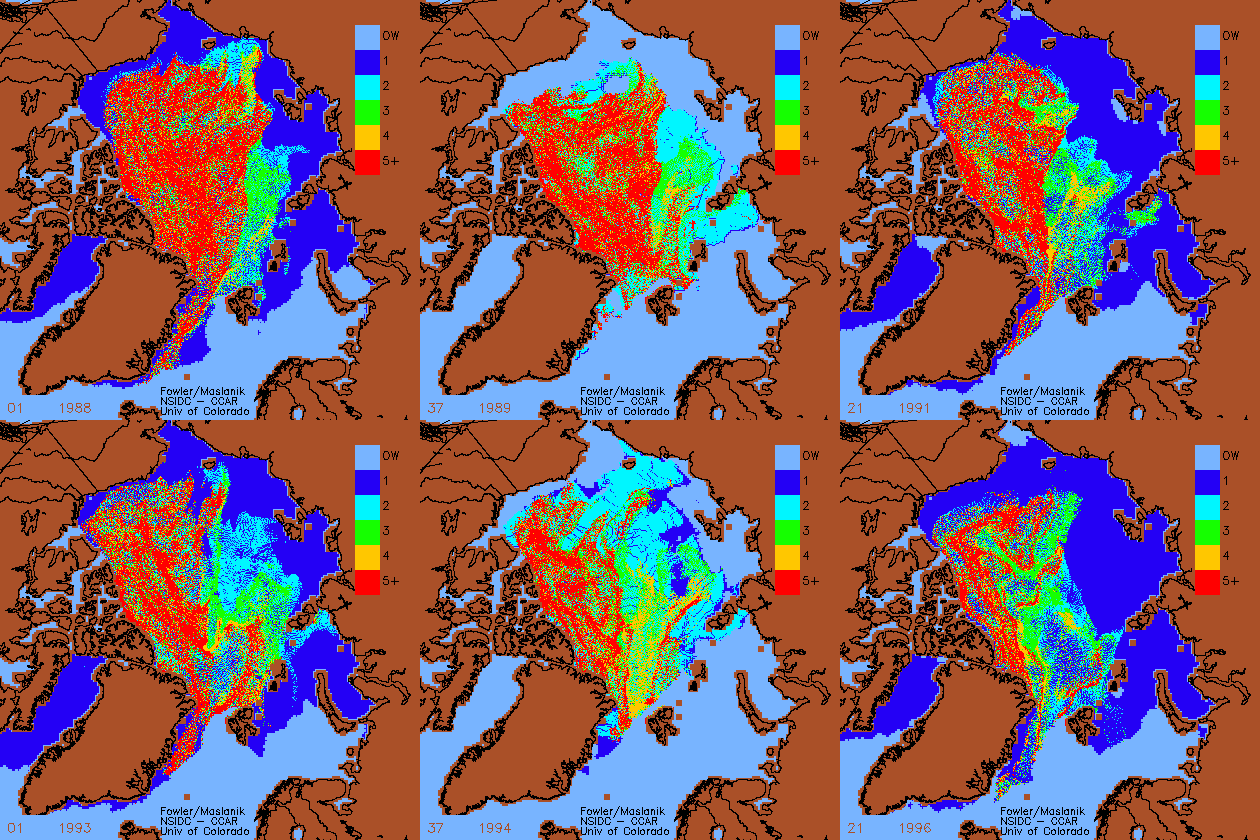
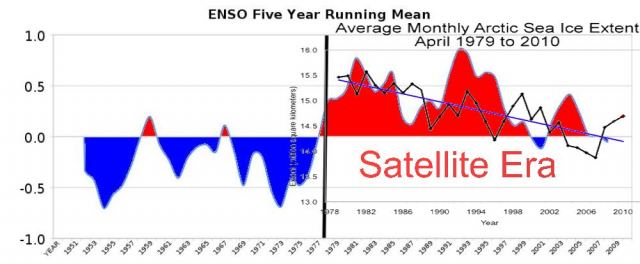
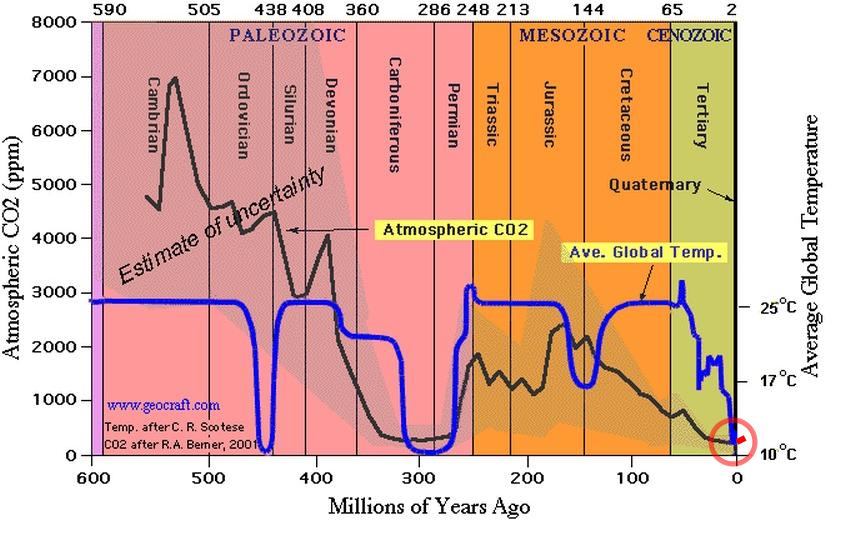
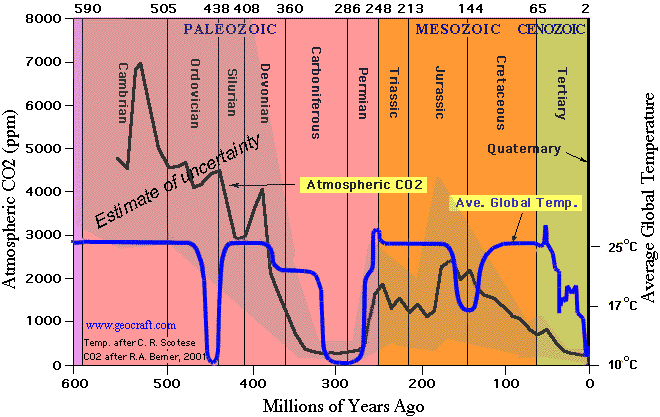
Last spring, Hillary traveled to Nuuk Greenland during near record cold – and reported back about Arctic melting. She pulled the same trick again this weekend in Norway.
US Secretary of State Hillary Clinton took a first hand look Saturday at the way a warming climate is changing the Arctic, opening a once frozen region to competition for vast oil reserves. Experts here estimate the value of the Arctic’s untapped oil alone — not including natural gas and minerals — at $900 trillion, making it a huge prize for the five countries that surround the Arctic if they can reach it. And with climate warming opening up some 46,000 square kilometres (18,000 square miles) a year that had once been bound in ice, the region is expected to burst open, not just with oil exploration but with East-West trade along a more accessible northern route. Returning from a tour of the Arctic coastline aboard a Norwegian research trawler with scientists and government officials, Clinton told reporters that she learned “many of the predictions about warming in the Arctic are being surpassed by the actual data.” “That was not necessarily surprising but sobering,” she said. Clinton in Arctic to see impact of climate change
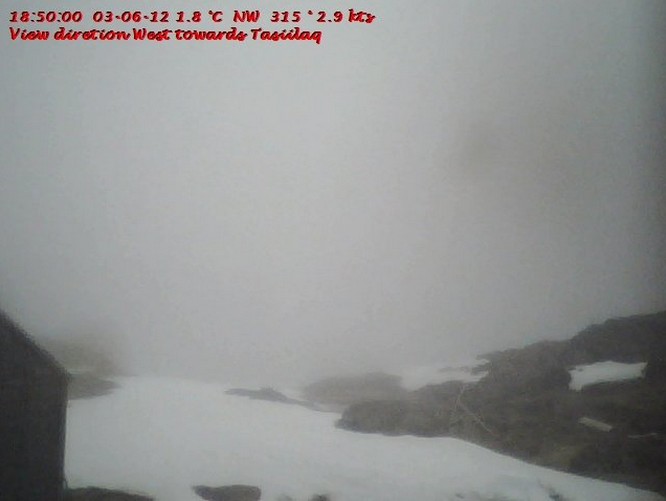
What Hillary actually encountered in Norway – was record cold and a country getting covered with snow in June.
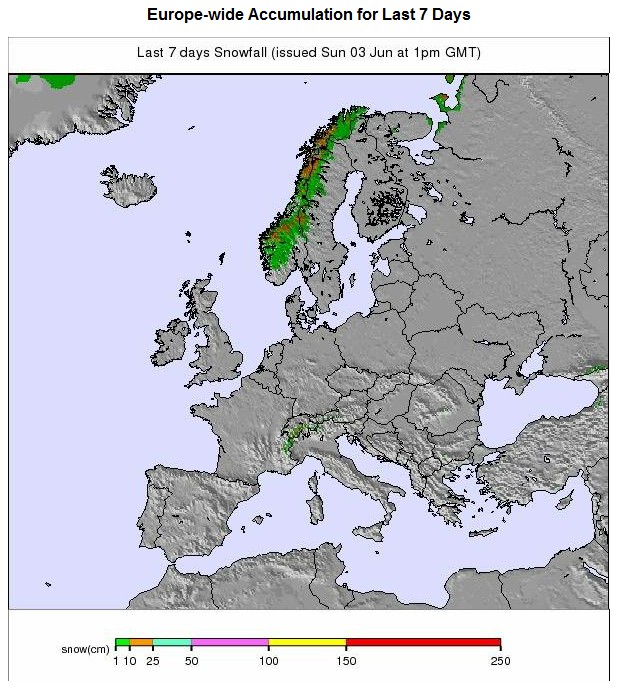
Europe-wide Last 7 Days Accumulated Snow
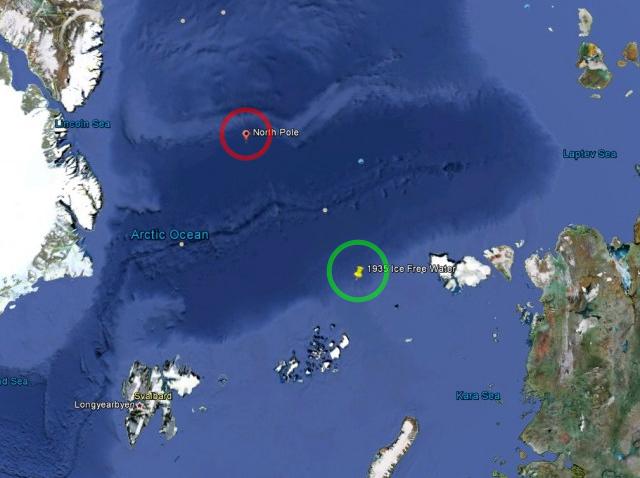
As far as the claim that the Arctic used to be covered with ice goes – in 1935 a Russian ship sailed within 500 miles of the pole in ice free water, well north of Norway.

“Remarkable Changes”
“Our generation is living in a period when remarkable changes are taking place almost everywhere throughout the world,” writes Professor L. Berg, of the Soviet Academy of Sciences. ”‘Certainly these widely distributed phenomena cannot be due to the action of the Gulf Stream, which, however, naturally receives its share of the greater general warmth.” The slow thawing of the Arctic is given as a partial explanation for the record voyages of Soviet ice-breakers to northern latitudes, which have never before been reached by navigating vessels. The Sadko in 1935, in ice- free water of the North Kara Sea, steamed to 82 degrees, 42 minutes of northern latitude—an all-time record.
25 Apr 1939