EPA scientist warns Atlantic seaboard will be swallowed by rising seas
By Josh Harkinson
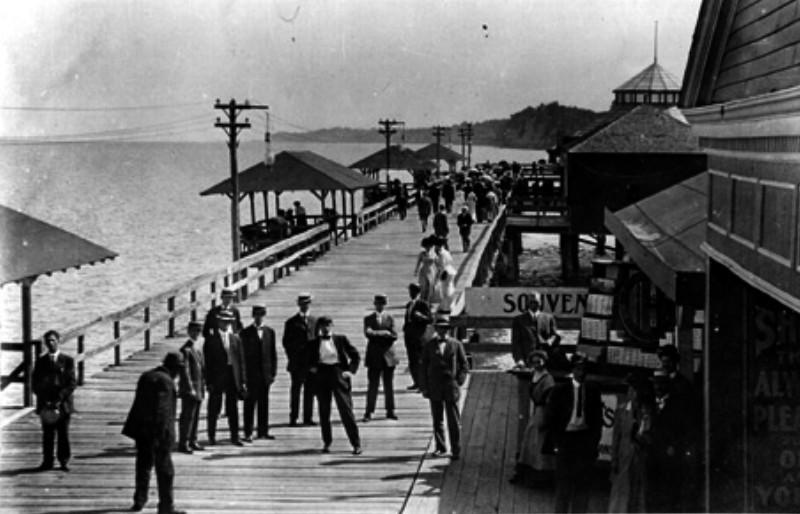
For most of the 20th century, Chesapeake Beach, Maryland, was known for its boardwalk, amusement park, and wide, sandy beaches, popular with daytrippers from Washington, D.C. “The bathing beach has a frontage of three miles,” boasted a tourist brochure from about 1900, “and is equal, if not superior, to any beach on the Atlantic Coast.”
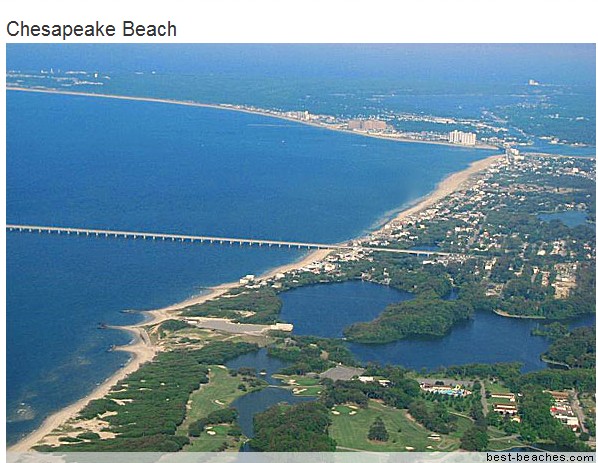
Today, on a cloudless spring afternoon, the resort town’s sweeping view of Chesapeake Bay is no less stunning. But there’s no longer any beach in Chesapeake Beach. Where there once was sand, water now laps against a seven-foot-high wall of boulders protecting a strip of pricey homes marked with “No Trespassing” signs.
Surveying the armored shoreline, Jim Titus explains how the natural sinking of the shoreline and slow but steady sea-level rise, mostly due to climate change, have driven the bay’s water more than a foot higher over the past century. Reinforcing the eroding shore with a sea wall held the water back, but it also choked off the natural supply of sand that had replenished the beach. What sand remained gradually sank beneath the rising water.
EPA scientist warns Atlantic seaboard will be swallowed by rising seas | Grist
In summary – the land is rapidly sinking, the sea wall choked off the supply of sand, and there has been a slow, steady rise in sea level over the last 5,000 years – which has absolutely nothing to do with CO2.