Friday June 17,2011
By Ross Clark
Have your say(7)
THE winter of 1684 stands out as the most extreme in a spell of cold weather in the late 17th and early 18th centuries now known as the Little Ice Age.
The frost, records the diary of Londoner John Evelyn, had started in mid-December and by January 2 the Thames at London Bridge had begun to freeze over. By the 11th there were “streets of booths set up upon the Thames”. By February 3 “coaches plied the ice from Westminster to the Temple” and all London had taken to the ice. There were horse races, puppet shows and bull-baiting in a “Bacchanalian carnival on the water”.
The cold weather experienced in Europe and North America in the late 17th and early 18th centuries is all the more fascinating for having coincided with a period in which astronomers noted an almost complete absence of sunspots.
According to the US National Solar Observatory we may be entering another such period, raising the question: will we again be plunged into a mini ice age?
..
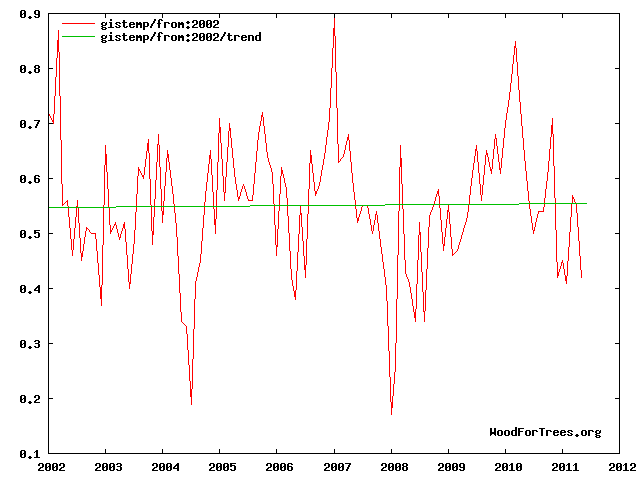
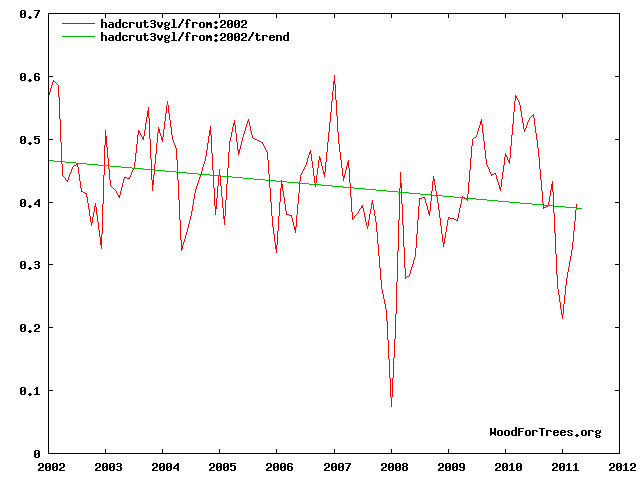
Scientists battling it out over sunspots and carbon emissions, however, prove the great global warming debate of the past 20 years shows how little we really understand about Earth’s climate and the influences upon it. It is pure hubris to pretend otherwise.
For years the global warming lobby has acted as if there was only one thing which drives climate change: man-made carbon emissions. This is the basis of all the mathematical models that have tried to predict the climate 100 years and more into the future. The IPCC report treats Earth’s climate as if it can be controlled like a thermostat: if we cut carbon emissions by such a percentage we will limit the rise in global temperatures to 2C and so on.
It ought to be obvious that this is nonsense: Earth has undergone huge changes in climate, many of which such as the onset of ice ages have occurred incredibly rapidly – and all before mankind started burning fossil fuels. We don’t understand why these ice ages occurred, nor why Earth seems to have warmed up for a few centuries during the Middle Ages so why does anyone preclude the possibility that the recent global warming has a natural cause?
http://www.express.co.uk/