Disrupting the Borg is expensive and time consuming!
Google Search
-
Recent Posts
- Bullseye!
- It’s Getting Closer
- Greenland Meltdown Scam
- Greenland Ice Update
- Wyoming Gold
- Three Years Since The Apocalypse
- Arctic Report card Summer 2026
- Elon Pushing Pushing Geoengineering
- Earth, Wind And Fire
- On The Road Again
- Vandalism At The Reflecting Pool
- Fifty Years Ago Today
- Truth Or Consequences
- US Climate Trend Maps
- Declining Spring Snow Cover In Northern New Mexico
- You Can’t Fool Mother Nature
- Cattle And The Climate
- One Atomic Bomb Per Hour
- New Video : Analyzing Oil And Gas
- Is Antarctica Melting?
- High Speed Analysis And Visualization
- El Nino To The Rescue?
- Fake News Update
- Growth Of Antarctic Sea Ice
- 65 Years Of Progress!
Recent Comments
- Stuart Hamish on Cattle And The Climate
- Bob G on Bullseye!
- conrad ziefle on Bullseye!
- arn on Greenland Ice Update
- D. Boss on Bullseye!
- scott allen on Bullseye!
- John Francis on Greenland Ice Update
Help Is Available
Posted in Uncategorized
Leave a comment
Record Low CO2 Emissions Causes Immediate Cooling
People are locked up in their homes, and not able to create as much CO2 as normal. This is producing immediate benefits for the planet.
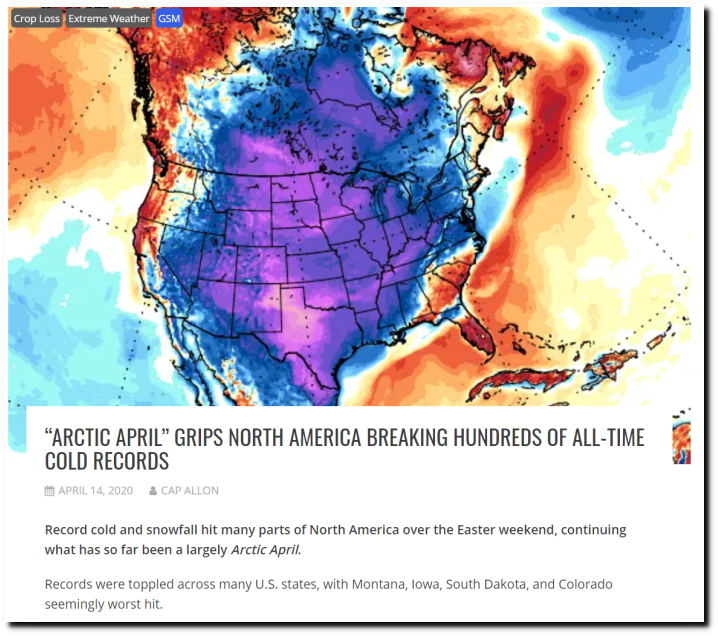
“Arctic April” grips North America Breaking Hundreds of All-Time Cold Records – Electroverse
Posted in Uncategorized
Leave a comment
Where Can You Be Safe From Climate Fraudsters?
Yale University operates one of the most fraudulent climate sites on the planet, and steering clear of New Haven, CT is always a good idea for a person’s mental and physical safety.
They ran this article recently for climate neurotics who want to know where they will be safe from climate change. The first response was from a woman who lives in Tucson, Arizona and complains that Arizona is hot.
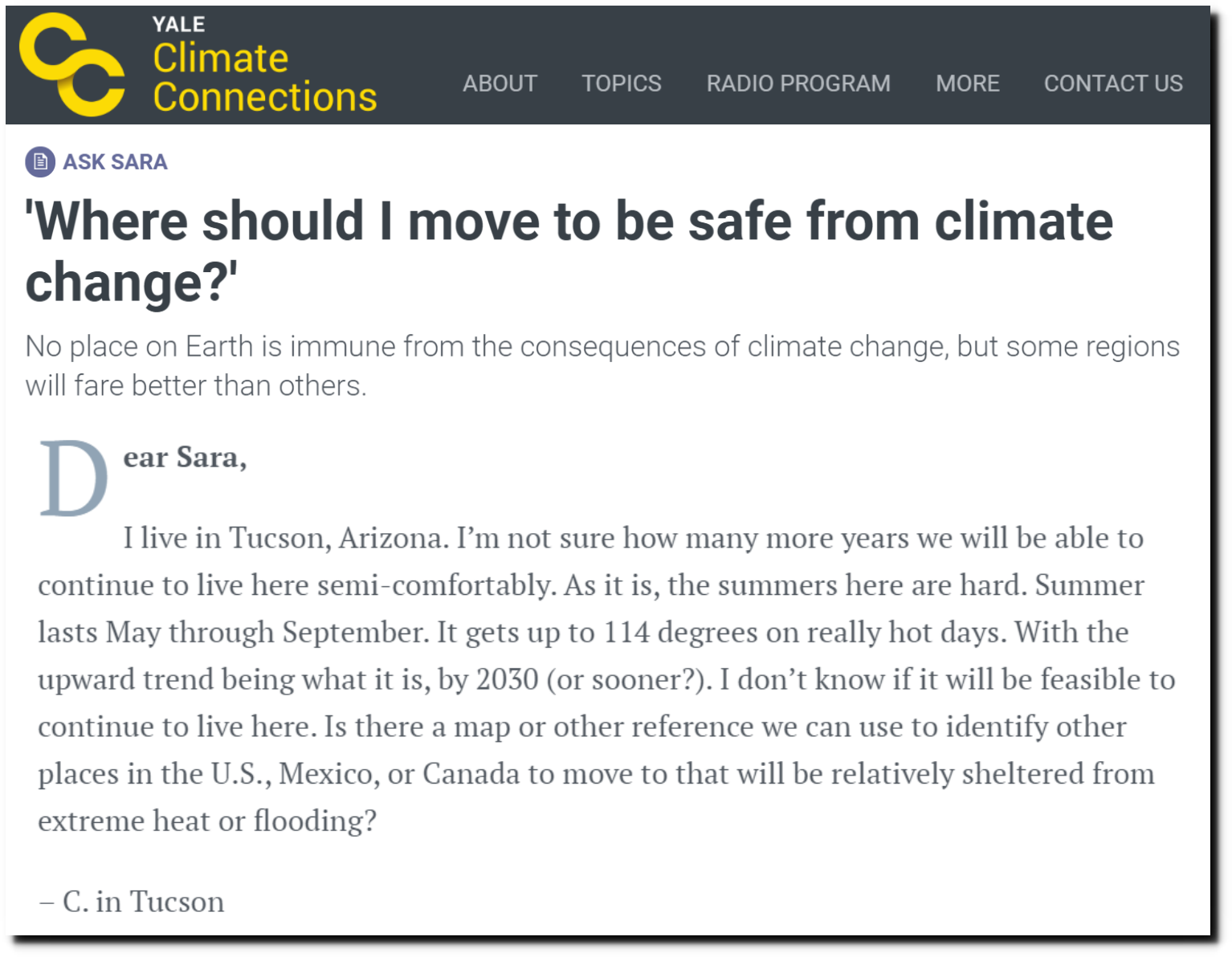
‘Where should I move to be safe from climate change?’ » Yale Climate Connections
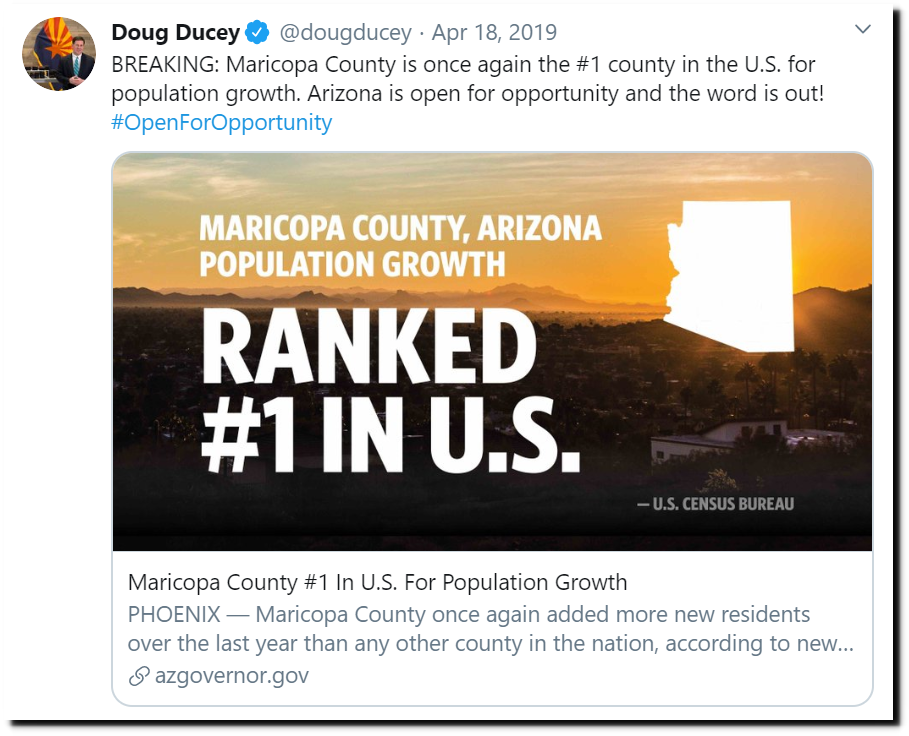
Meanwhile, back in the real world, Maricopa County, Arizona is the fastest growing county in the US. Maricopa County is hotter than Tucson, and people are moving there in droves. One year ago this week the governor bragged that Arizona was “open for opportunity.”
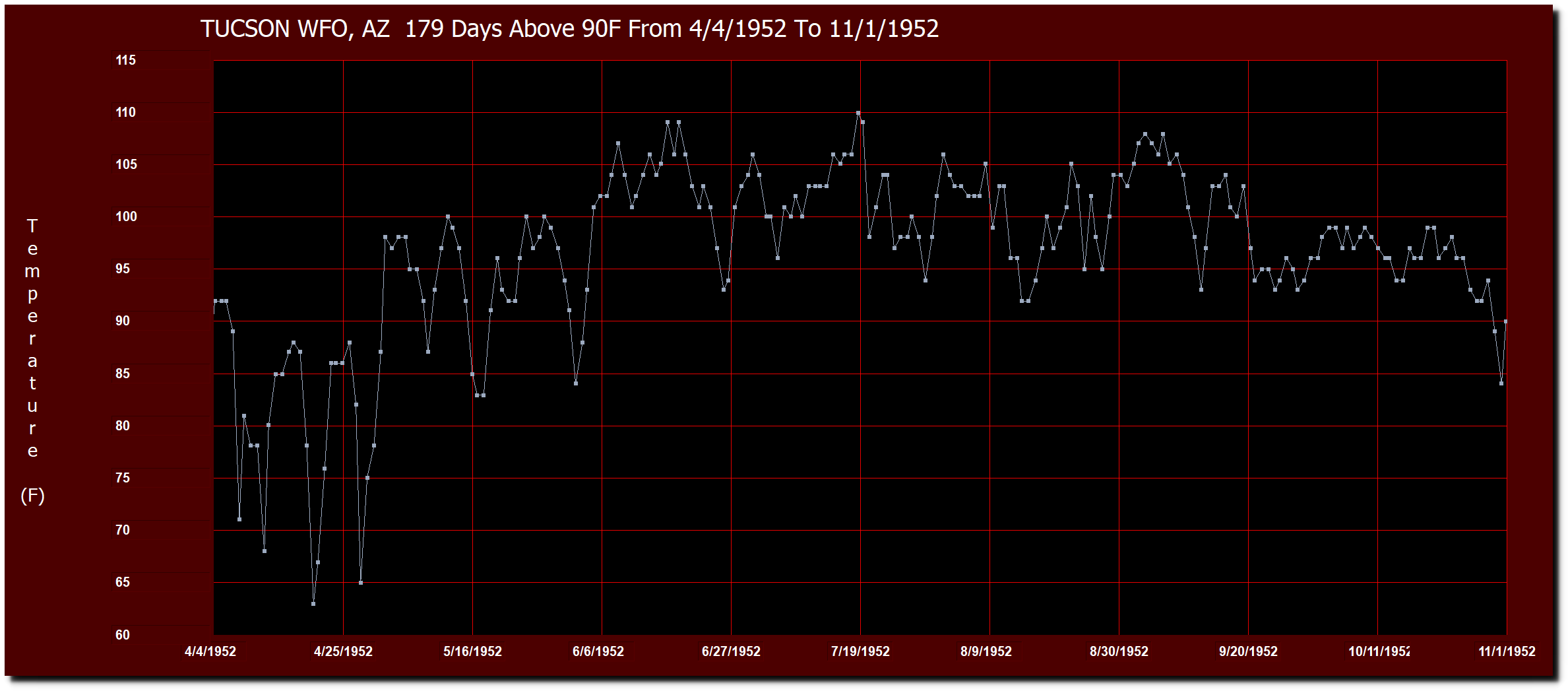
Tucson’s hottest year was 1952, when they had 179 days above 90F.
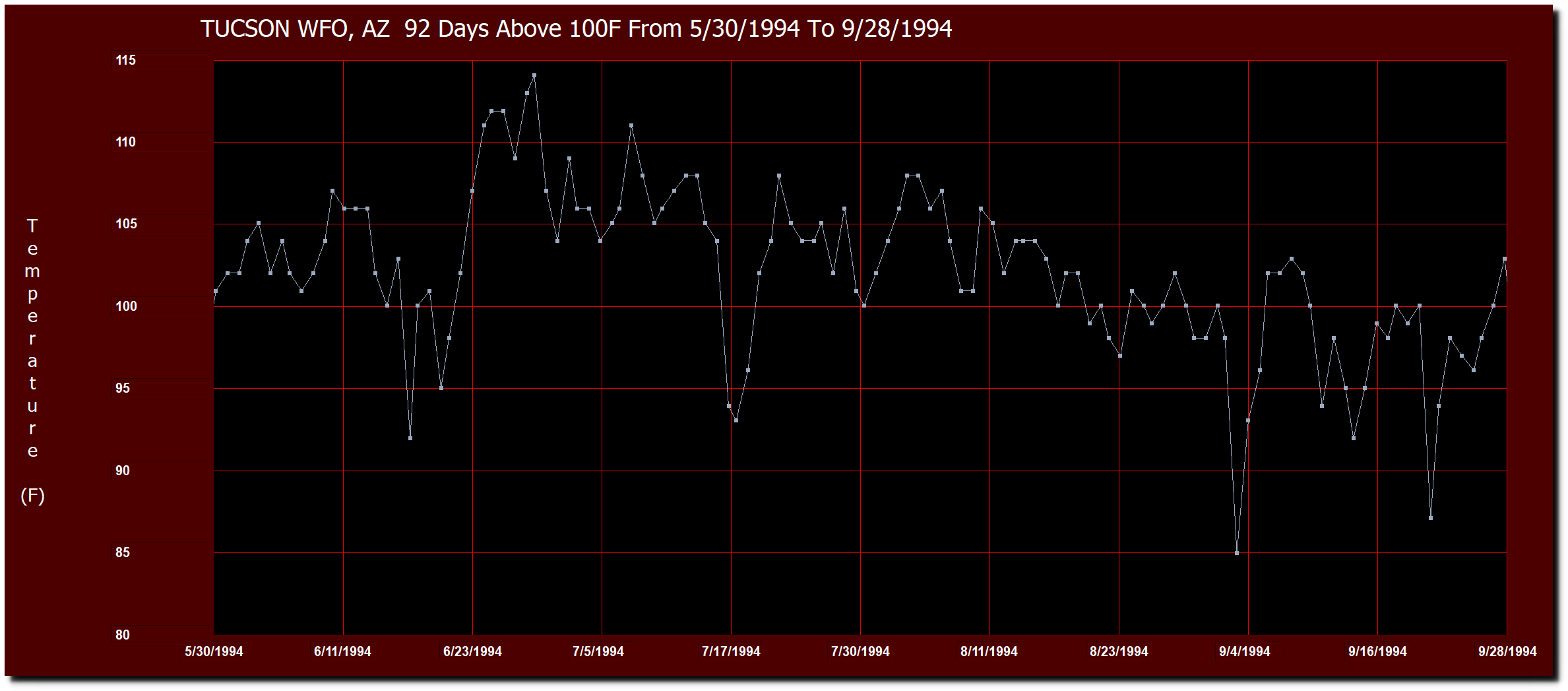
In 1994, set their record of 92 days above 100F.
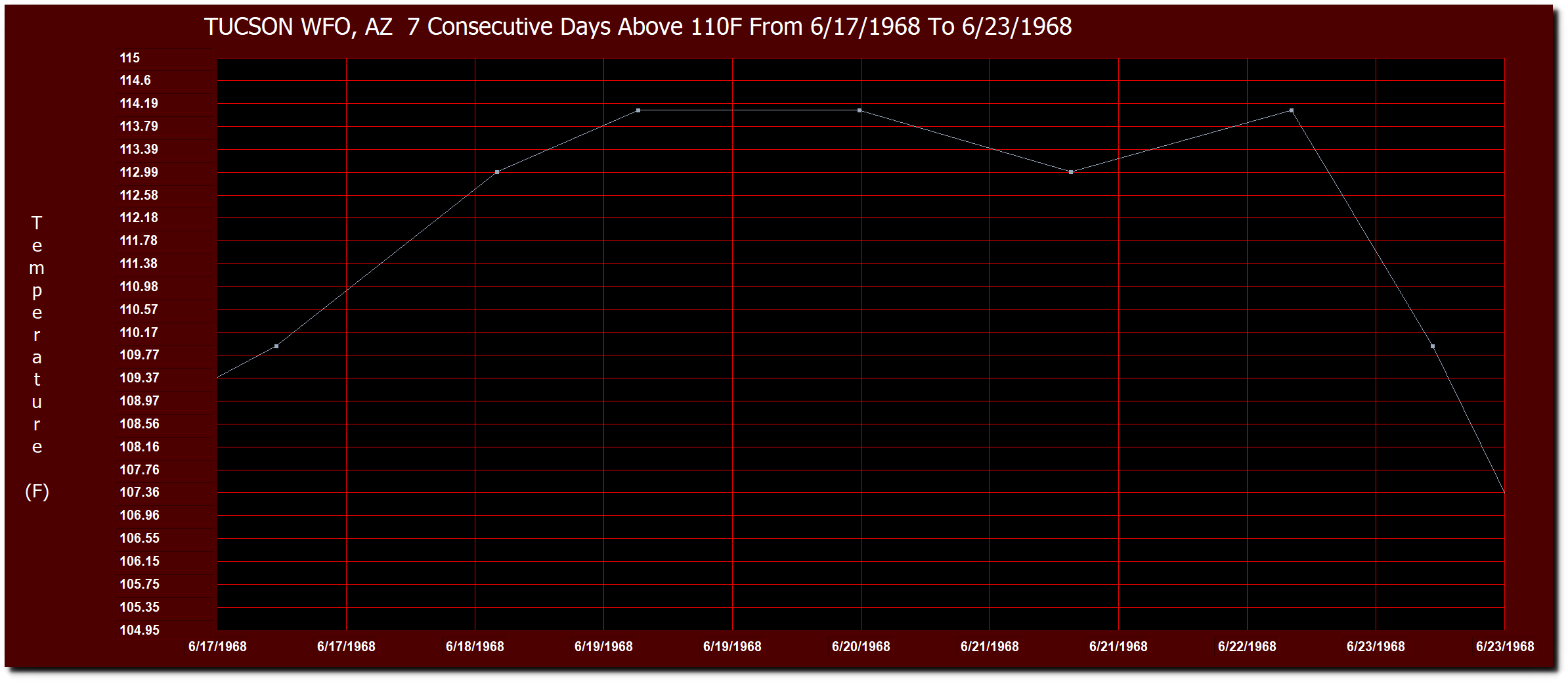
In 1968, Tucson set their record of seven consecutive days above 110F.
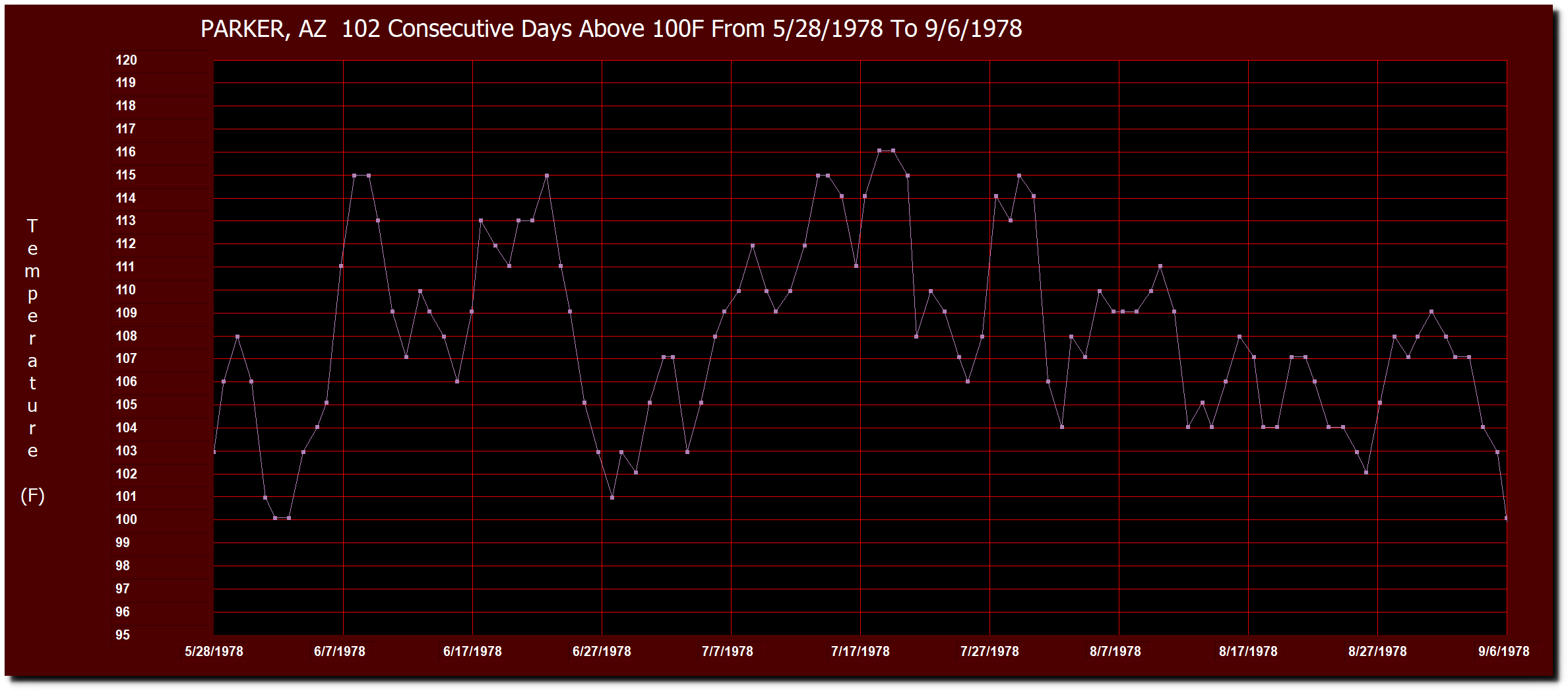
Parker, Arizona set the state record of 102 consecutive days over 100F in 1978.
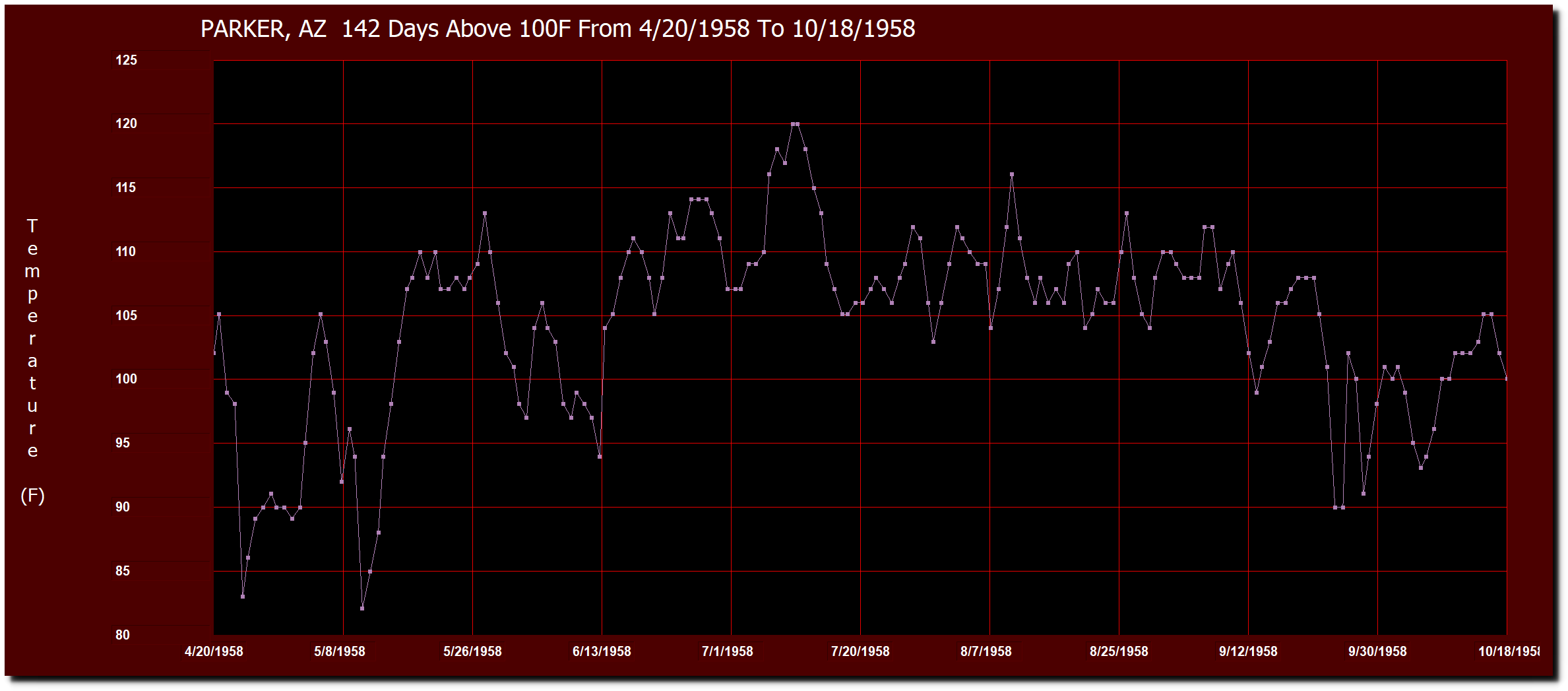
In 1958, Parker set the state record of 142 days over 100F.
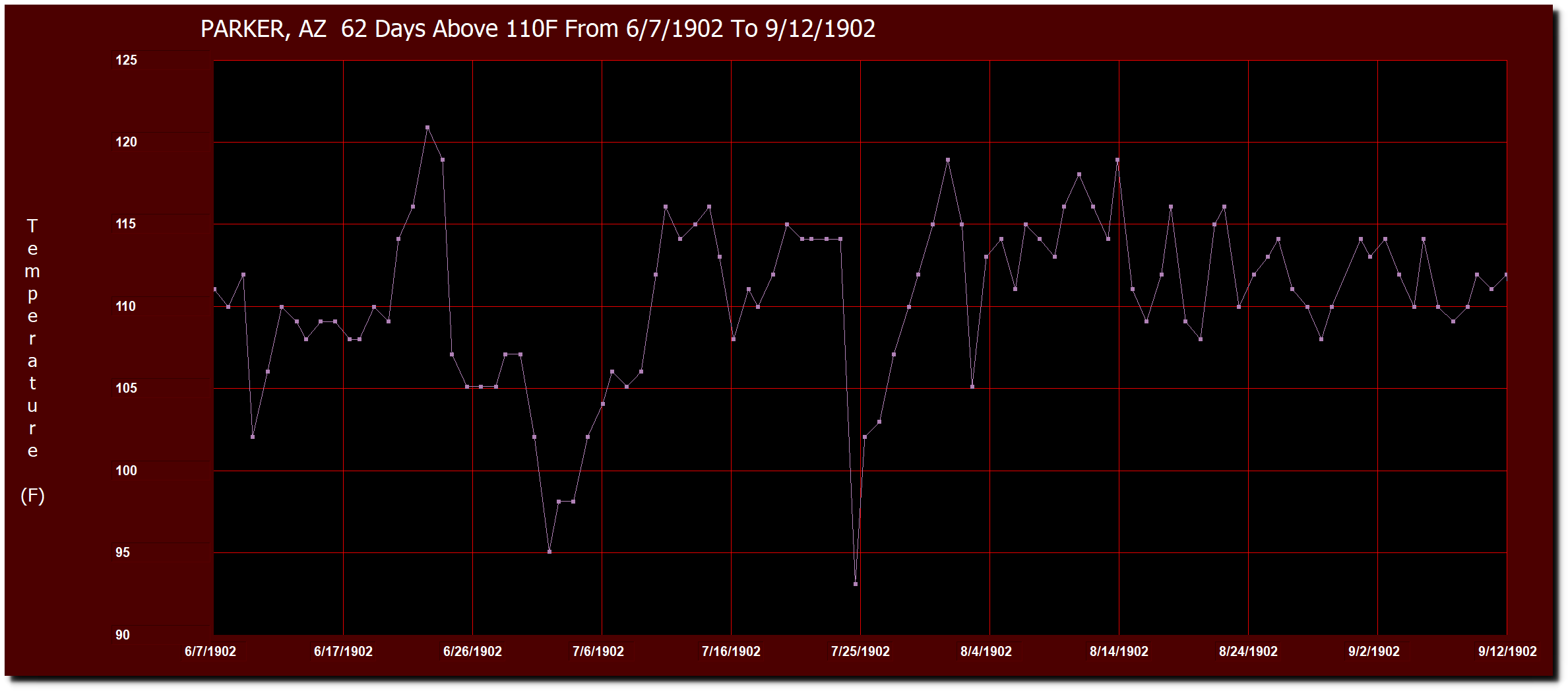
In 1902, Parker set the state record of 62 days over 110F.
In 1905. Parker set the state record of nine days over 120F.
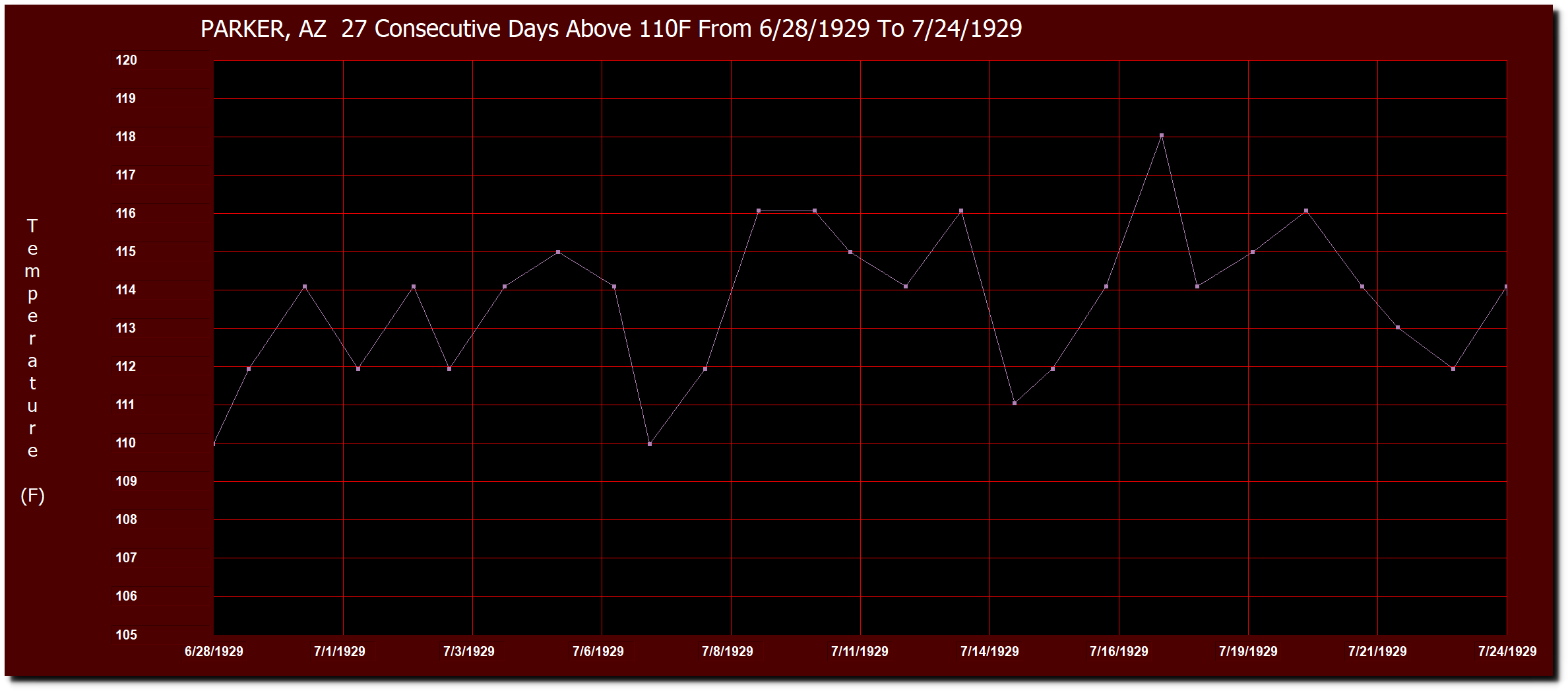
In 1929, Parker set the state record of 27 consecutive days over 110F.
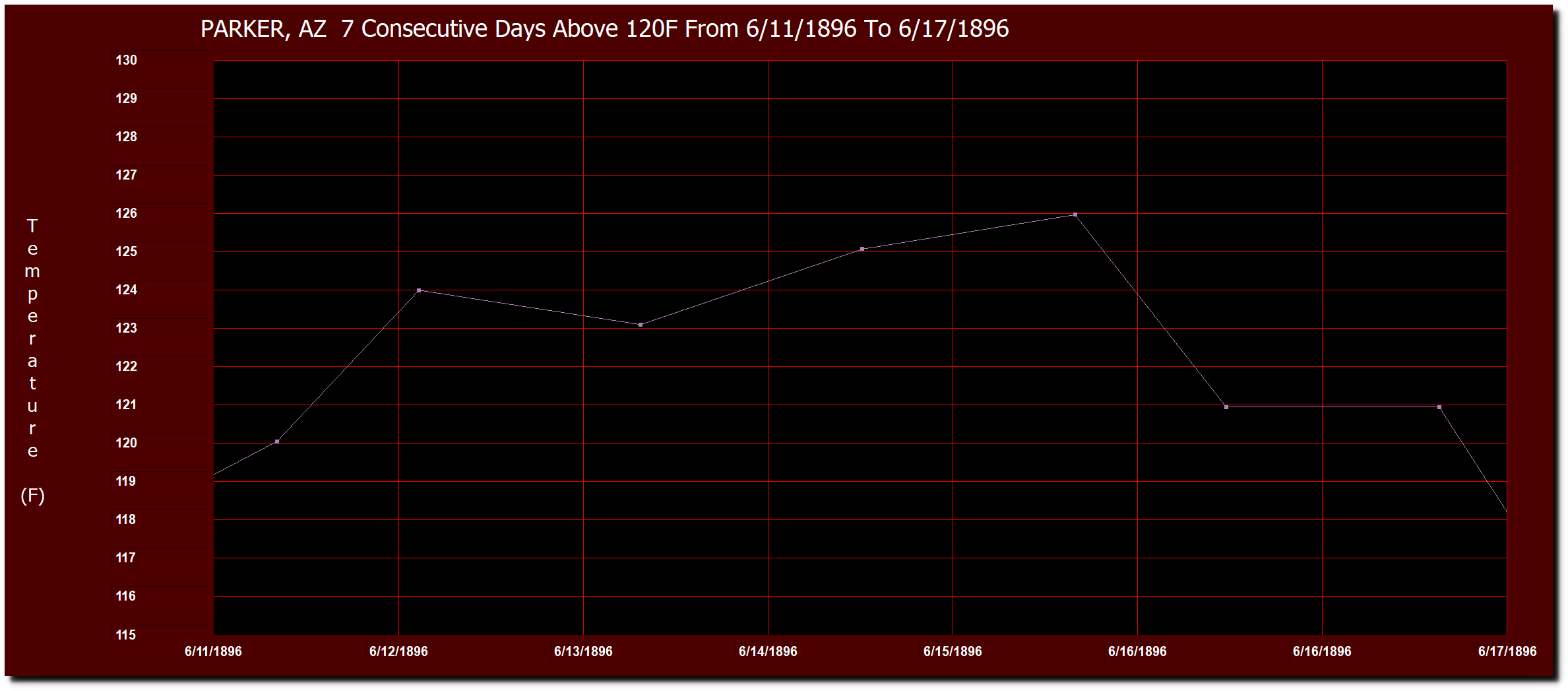
And in 1896, Parker set the state record of seven consecutive days over 120F. This was repeated in 1905.
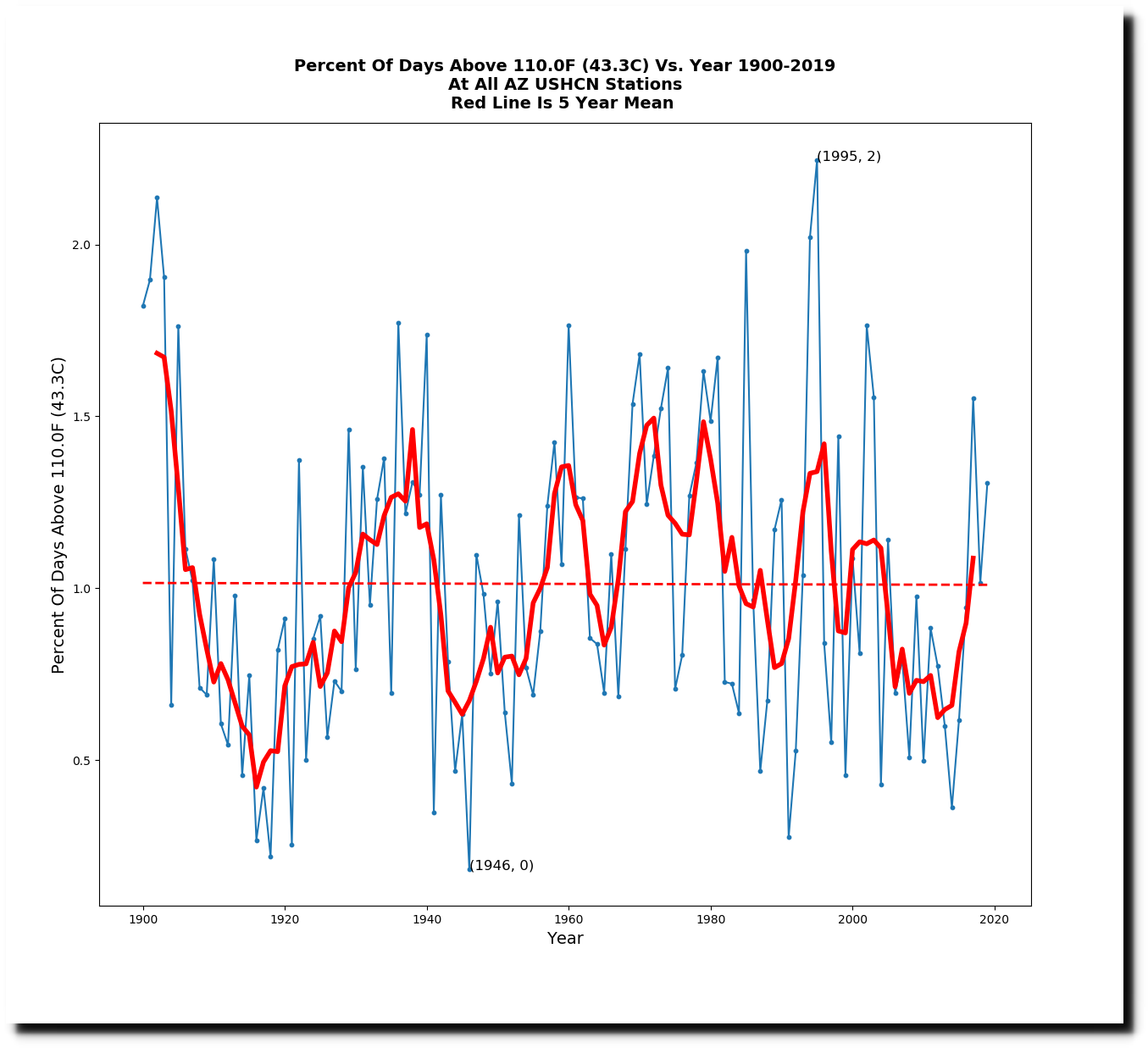
There is no indication that hot days are increasing in Arizona, and no indication that Yale Climate has any interest in the truth.
Posted in Uncategorized
Leave a comment
Unprecedented Cold In Boulder
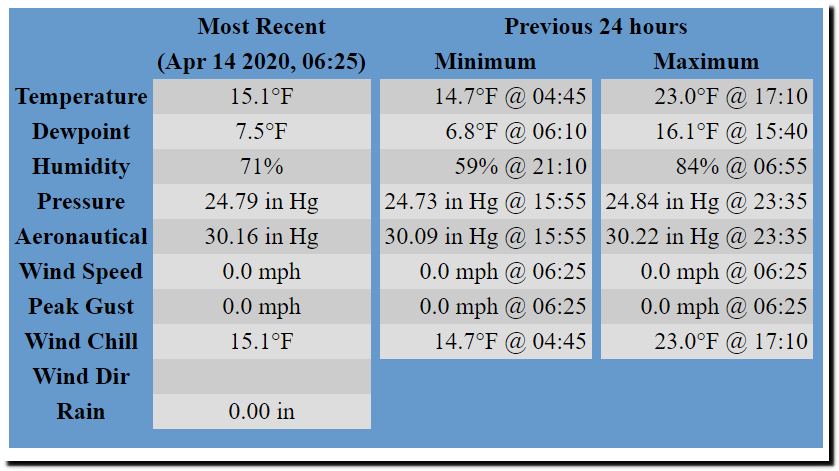
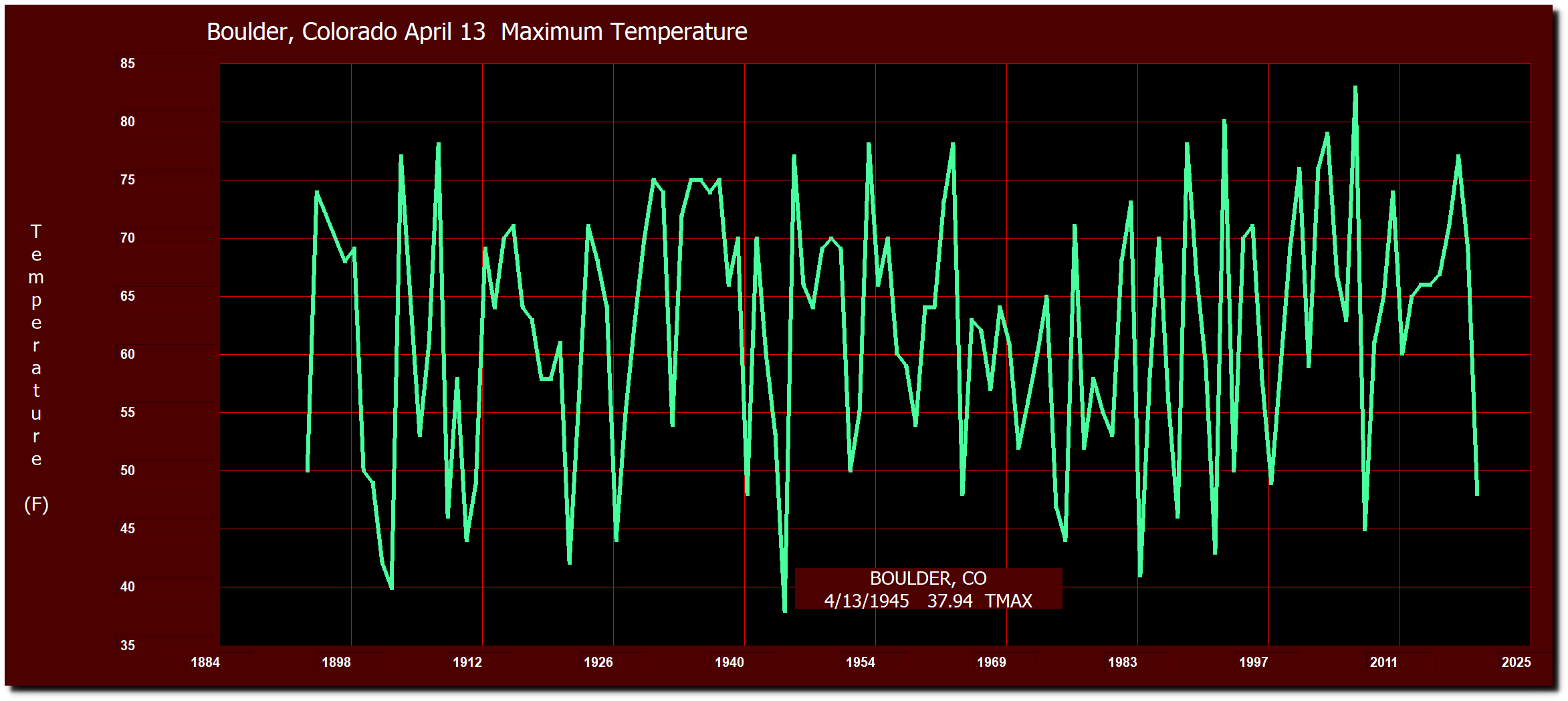
Our maximum temperature of 23 degrees in Boulder yesterday was fifteen degrees colder than the previous record, set in 1945. The temperature was thirty-eight degrees below the long term average, after last year being only fourteen degrees below average.
Posted in Uncategorized
Leave a comment
Longest Winter On Record In Boulder
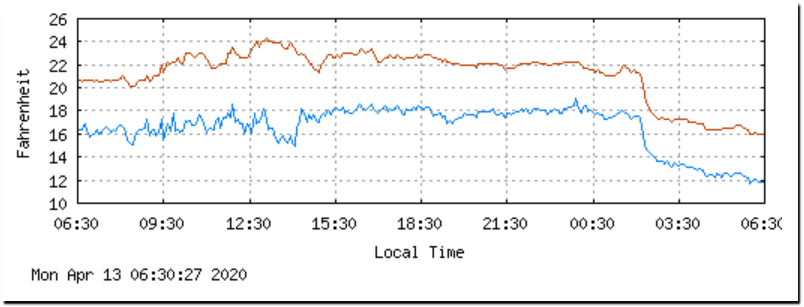
Over the past 24 hours, the warmest temperature in Boulder was 24F (-4C.) The last time there was a day this late in the spring which didn’t get above freezing here was April 14, 1945, when the high temperature was 27 degrees.
NCAR Foothills Lab Weather (english, 5-minute)
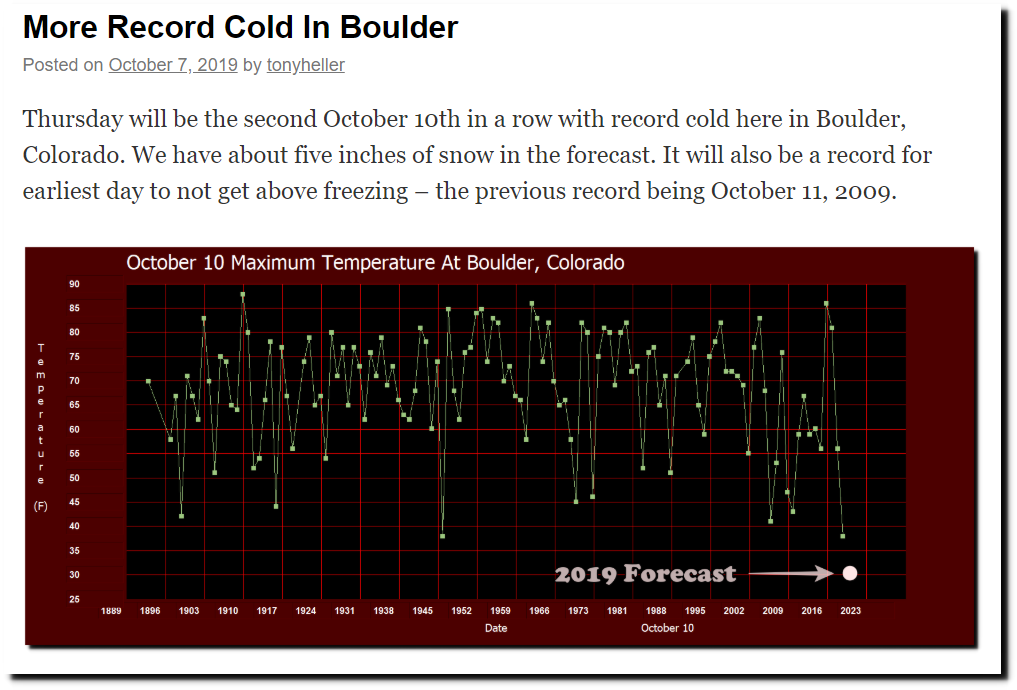
Last October we set the record for earliest autumn day to not get above freezing. We have had more than six months of winter.
More Record Cold In Boulder | Real Climate Science
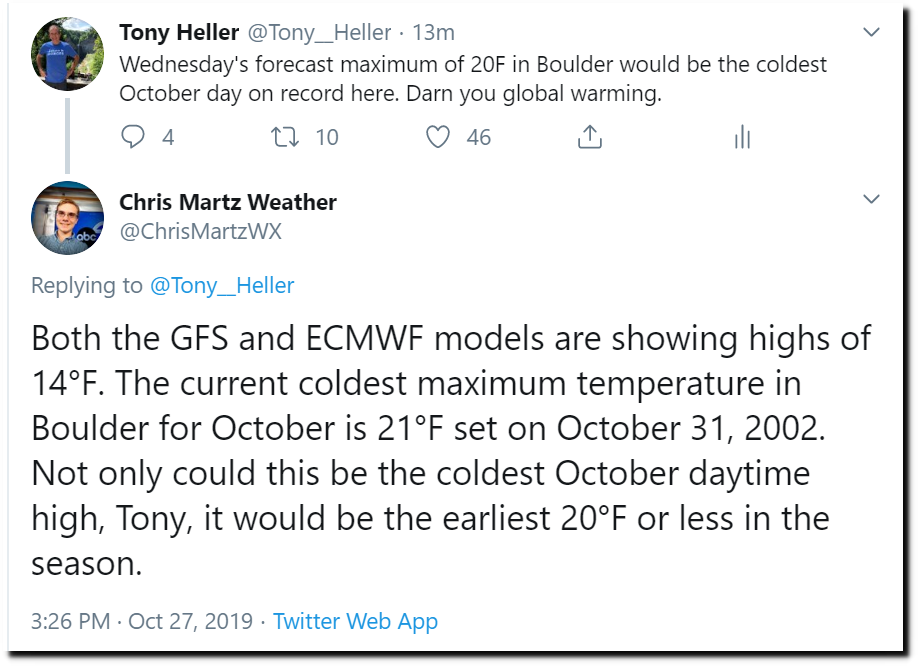
Last year we also had our coldest October day on record.

Coldest October Day On Record In Boulder | Real Climate Science
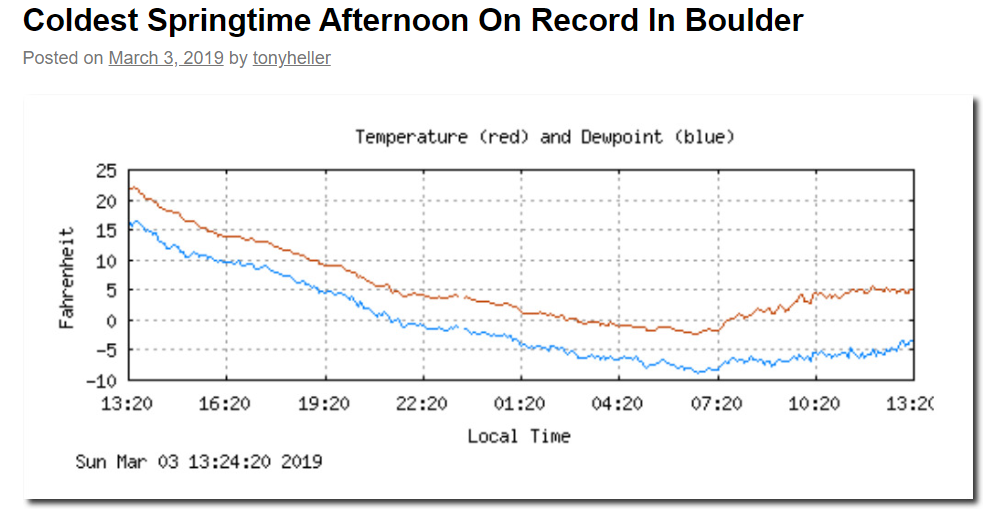
And last year we had our coldest March afternoon on record.
Coldest Springtime Afternoon On Record In Boulder | Real Climate Science
The NCAR museum is closed due to virus panic, but if I could go up there today I would see a foot of snow, and all kinds of Kevin Trenberth science explaining why Boulder is overheating.
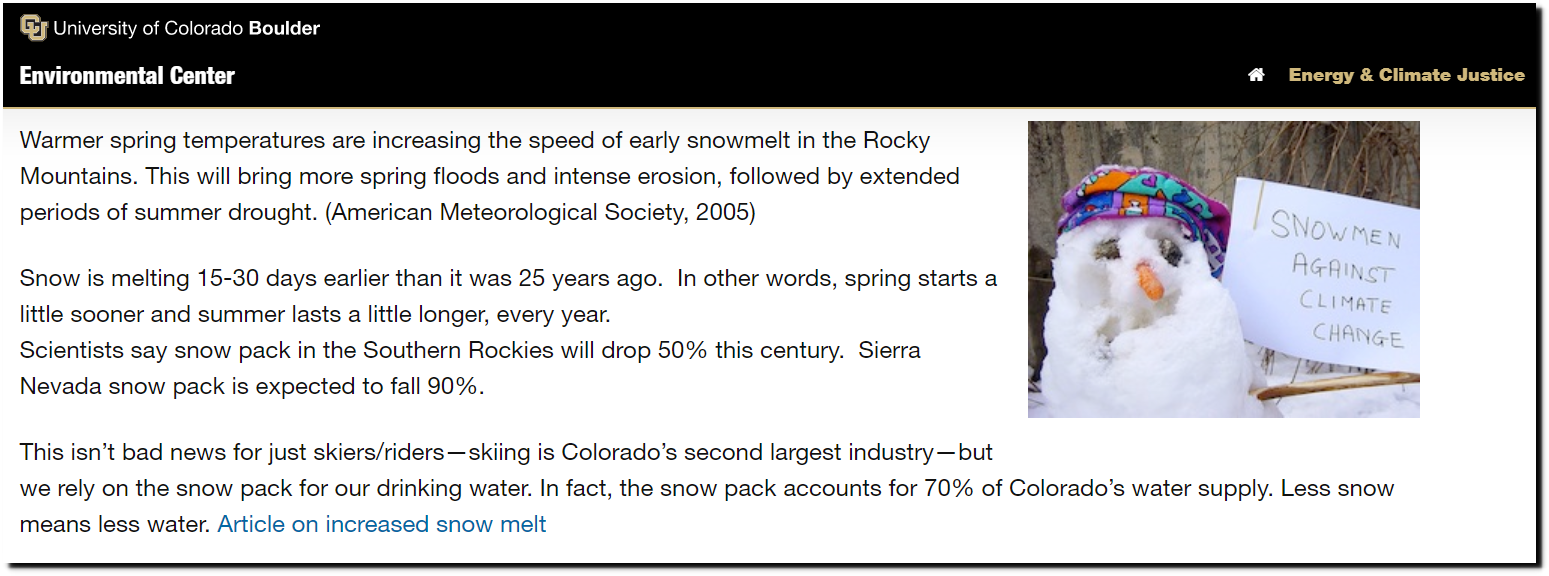
This is how the University of Colorado explains the record long winters we have been having.
Impacts in Colorado | Environmental Center | University of Colorado Boulder
Posted in Uncategorized
Leave a comment
New Video : Road Trip To The National Center For Atmospheric Research
Posted in Uncategorized
Leave a comment
Fifteen Years Into The Australian Permanent Drought
Fifteen years ago this month, Tim Flannery announced the Australian permanent drought.
“Perth is facing the possibility of a catastrophic failure of the city’s water supply,” says Tim Flannery, director of the South Australian Museum and Australia’s most high profile scientist and ecologist. His next book, to be published in October, will feature the water crises faced by Perth and Sydney.
“I’m personally more worried about Sydney than Perth,” Flannery told me. “Where does Sydney go for more water? At least Perth has a buffer of underground water sources. Sydney doesn’t have any backup. And while Perth is forging ahead with a desalination plant, Sydney doesn’t have any major scheme in place to bolster water. It also has nowhere to put the vast infrastructure of a desalination plant.”
Climate change is working against Sydney. “There’s only two years’ water supply in Warragamba Dam,” says Flannery, “yet Frank Sartor [NSW Minister for Energy and Utilities] is talking about the situation being stable … If the computer models are right then drought conditions will become permanent in eastern Australia.”
Most of NSW is, yet again, experiencing drought with 76 per cent of the state officially drought declared. Drought is the term used, but it is the wrong term. A better term is climate change. Much of western NSW has been strip-mined by hopeless farming practices and when the landscape is changed, the climate changes.
“Water is going to be in short supply across the eastern states,” says Flannery. Pumping water from catchment areas near Sydney is not going to be enough, and will create knock-on effects in those catchments. The water restrictions now in force in Sydney are never going to be lifted, except after a run of freak conditions, just as Warragamba Dam is never again going to be full unless there is a freak period of high rainfall unlikely to be sustained.
Posted in Uncategorized
Leave a comment