I ride my bike everywhere, and normally in shorts and a T-shirt – so I notice changes in temperature. One thing that has become abundantly obvious is that temperatures near asphalt are much higher than in open space.
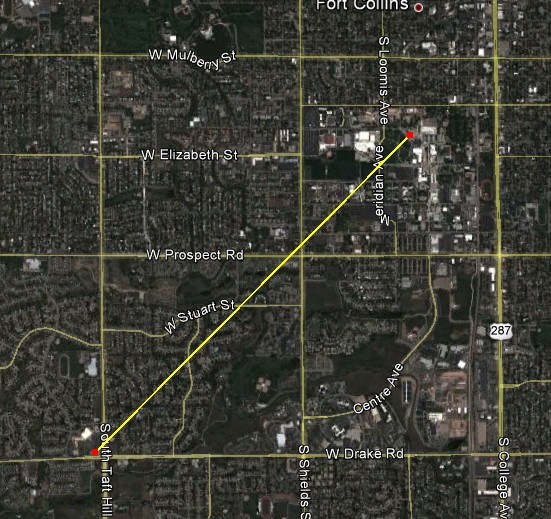
I just did an experiment in Fort Collins, Colorado at 1:30am. It is a full moon and the air is dead calm. I took a bike ride with a thermometer, which I have permanently affixed to the bike. It turns out that temperatures are 7F cooler in the open space region below, less than 0.2 miles away from the parking lot of a shopping center.
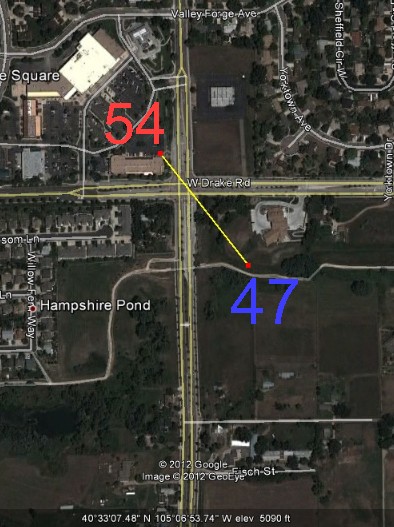
As soon as I rode away from the intersection, temperatures felt much cooler. This was not an isolated incident – I feel it consistently on clear, calm nights.
Hansen’s assumptions about heat islands are based on population, but I believe that the bulk of the effect occurs when a single asphalt road is put in place. Much of the claimed warming during the 20th century was likely due to the appearance of asphalt roads in rural regions.
Muller’s claims about UHI are similarly flawed, as they are based on population. Comparing large cities vs. small towns is largely meaningless, because all it takes is one asphalt road to produce significant warming.
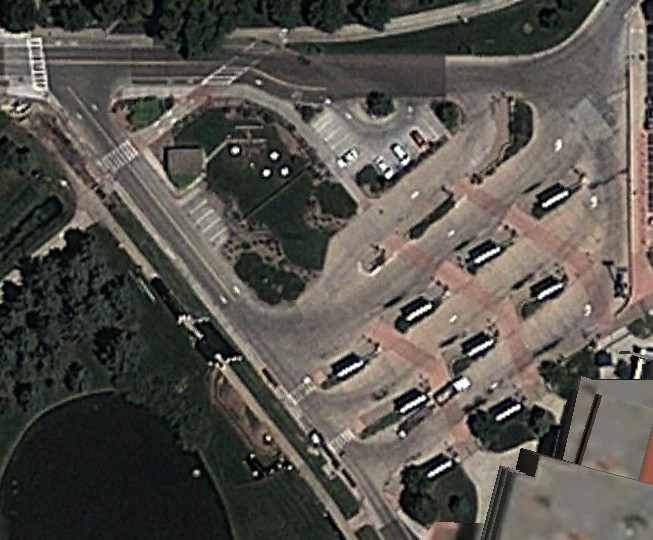
Over on the CSU campus 2.3 miles away, temperatures were much warmer – 57.8 degrees at the official Fort Collins weather station. This station has not moved for 140 years, and shows a lot of warming during that time. It is now located in the middle of a bus parking lot.