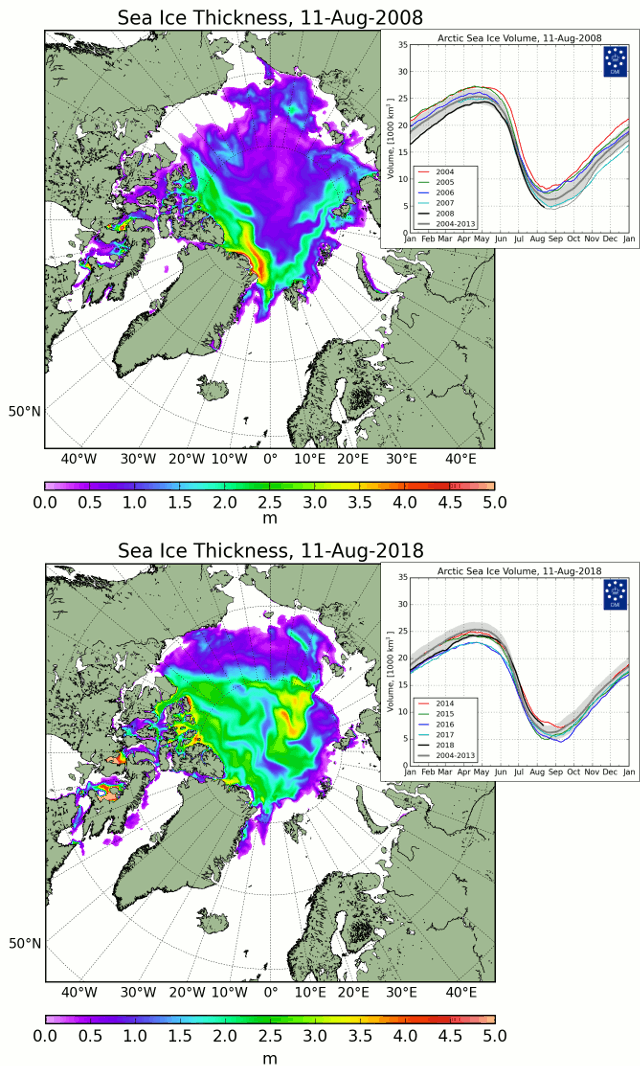
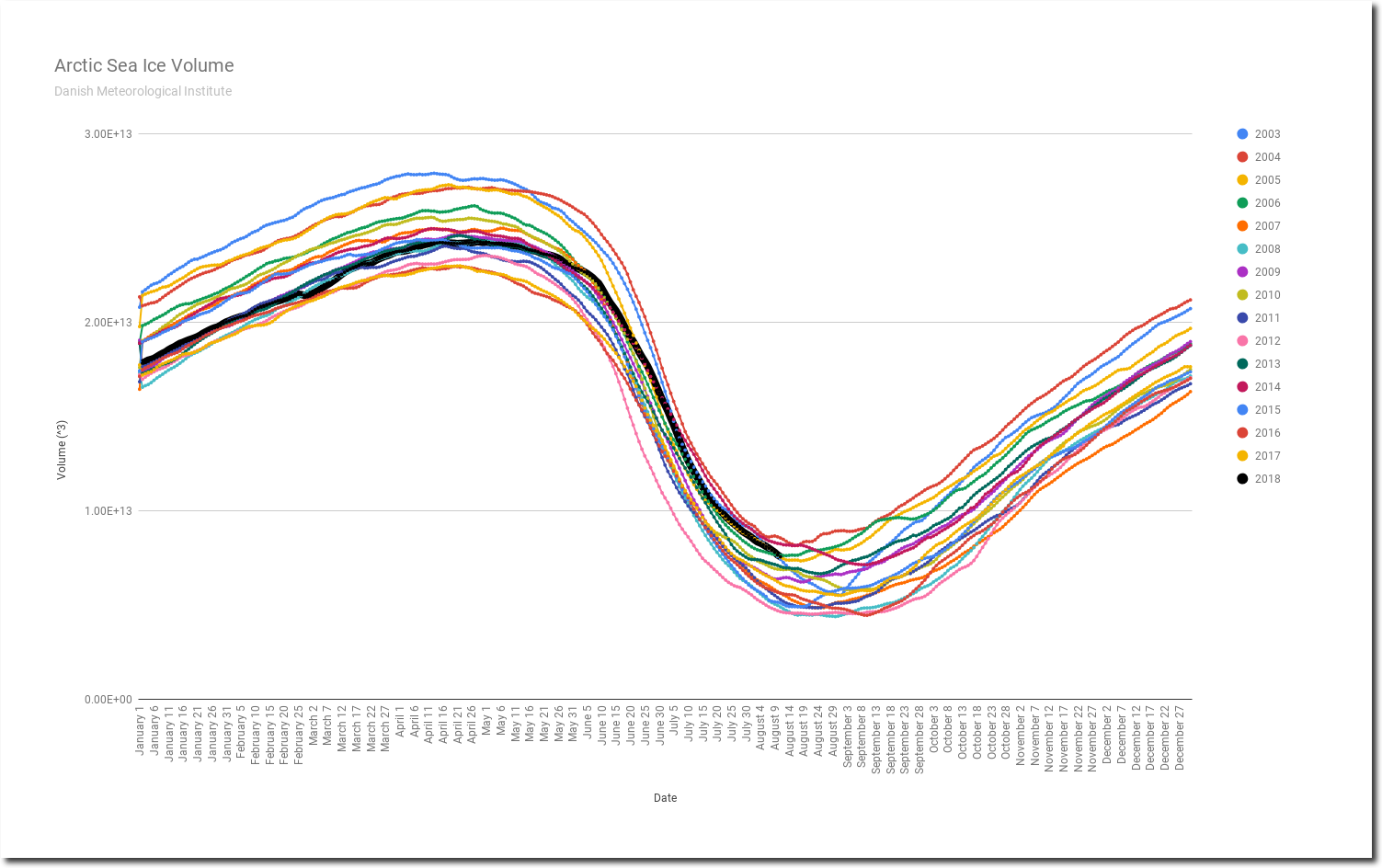
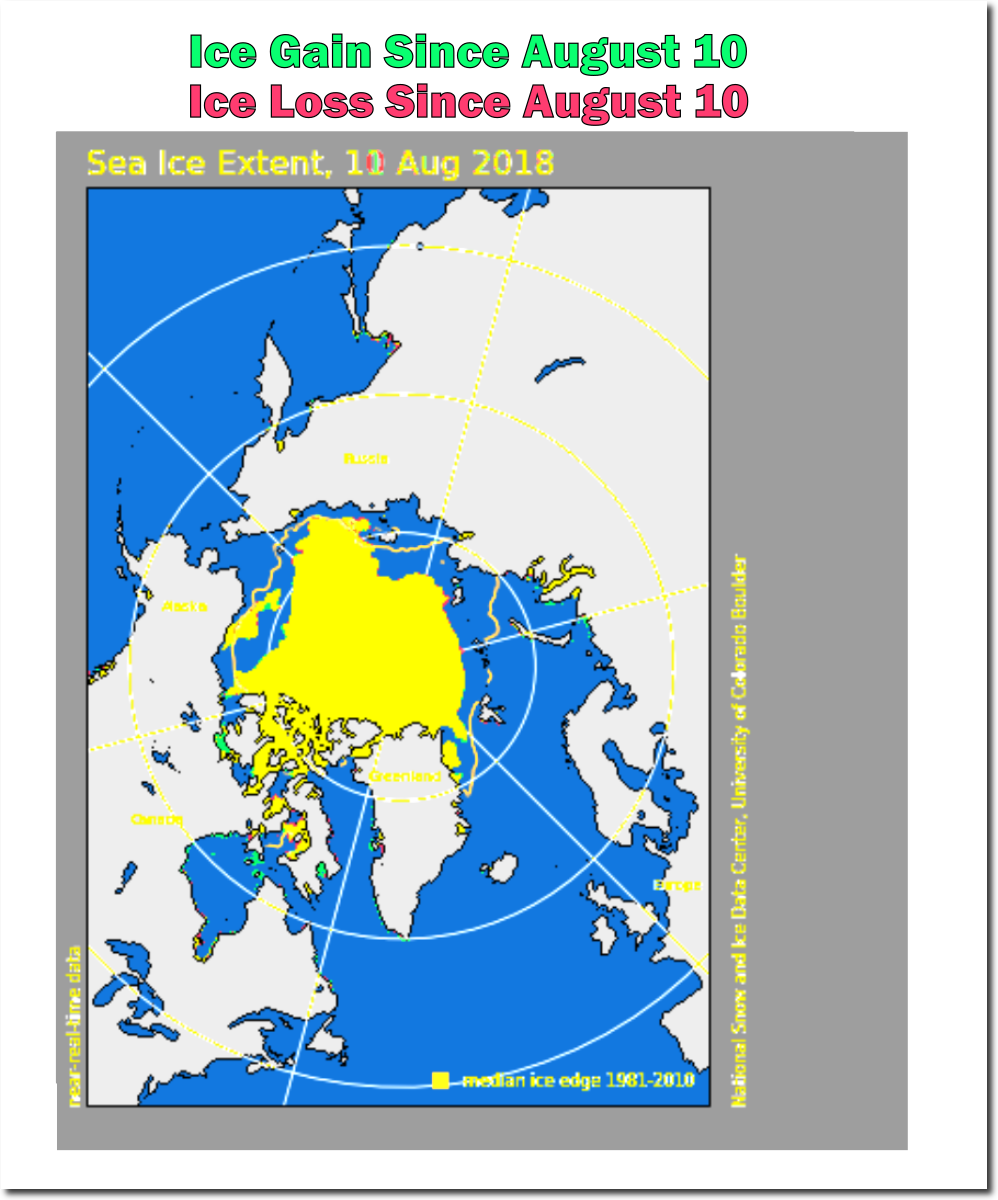
NSIDC shows almost no change in Arctic sea ice extent since yesterday.
Index of /DATASETS/NOAA/G02135/north/daily/images/2018/08_Aug/
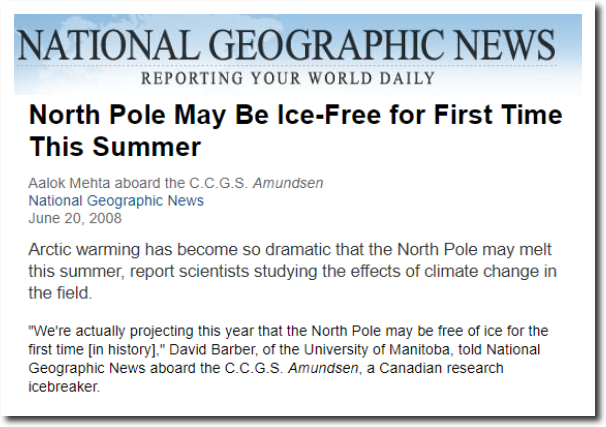
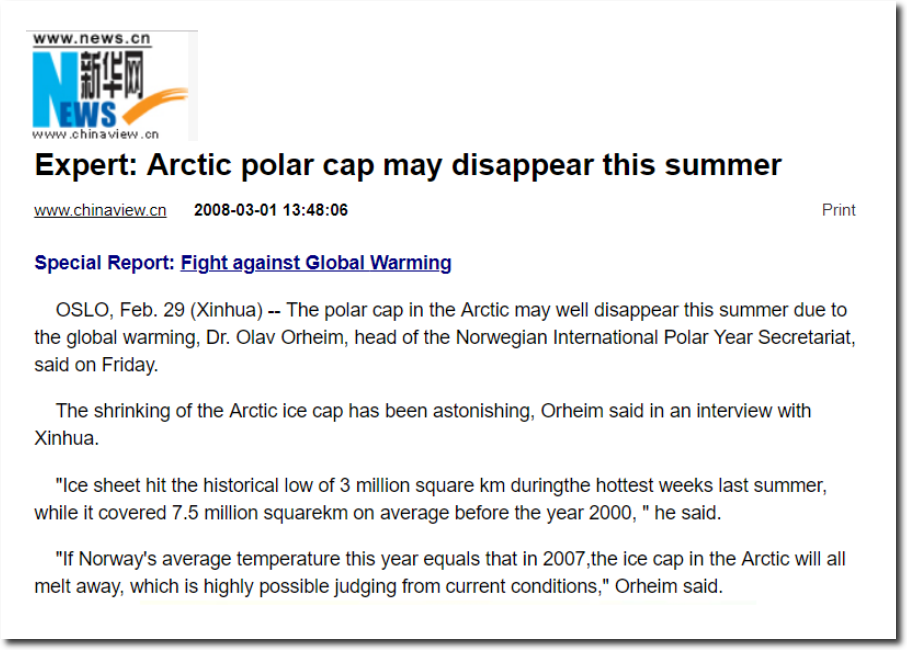
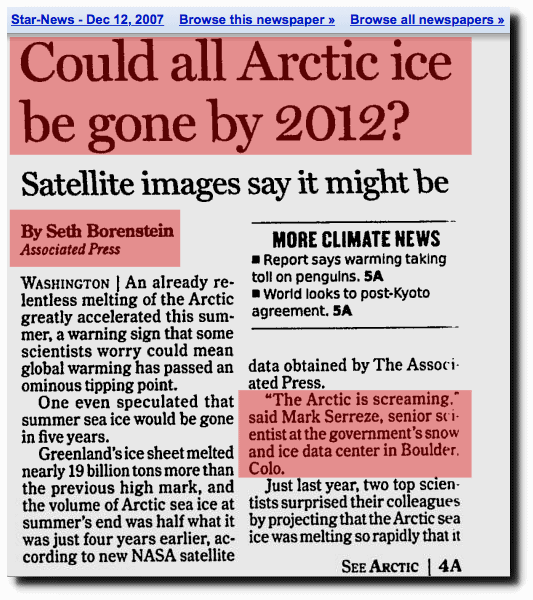
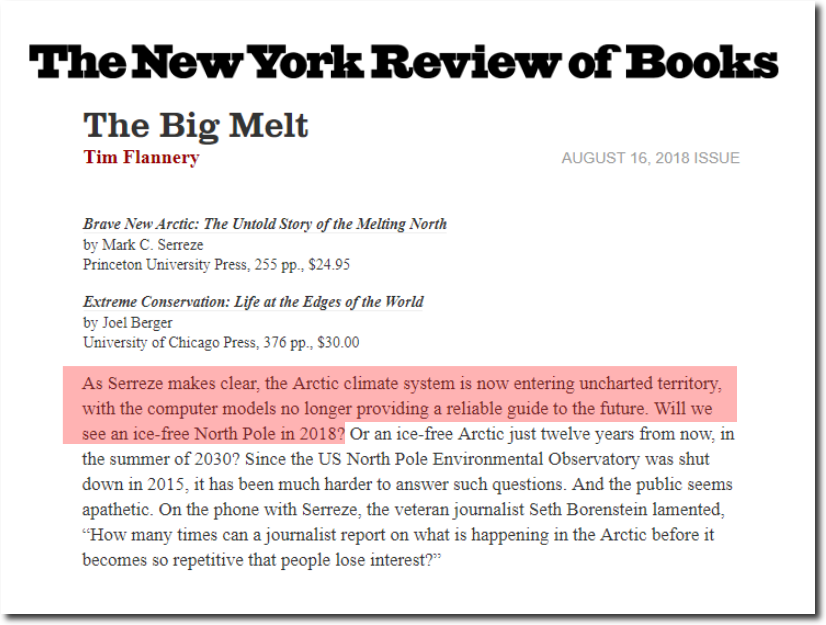
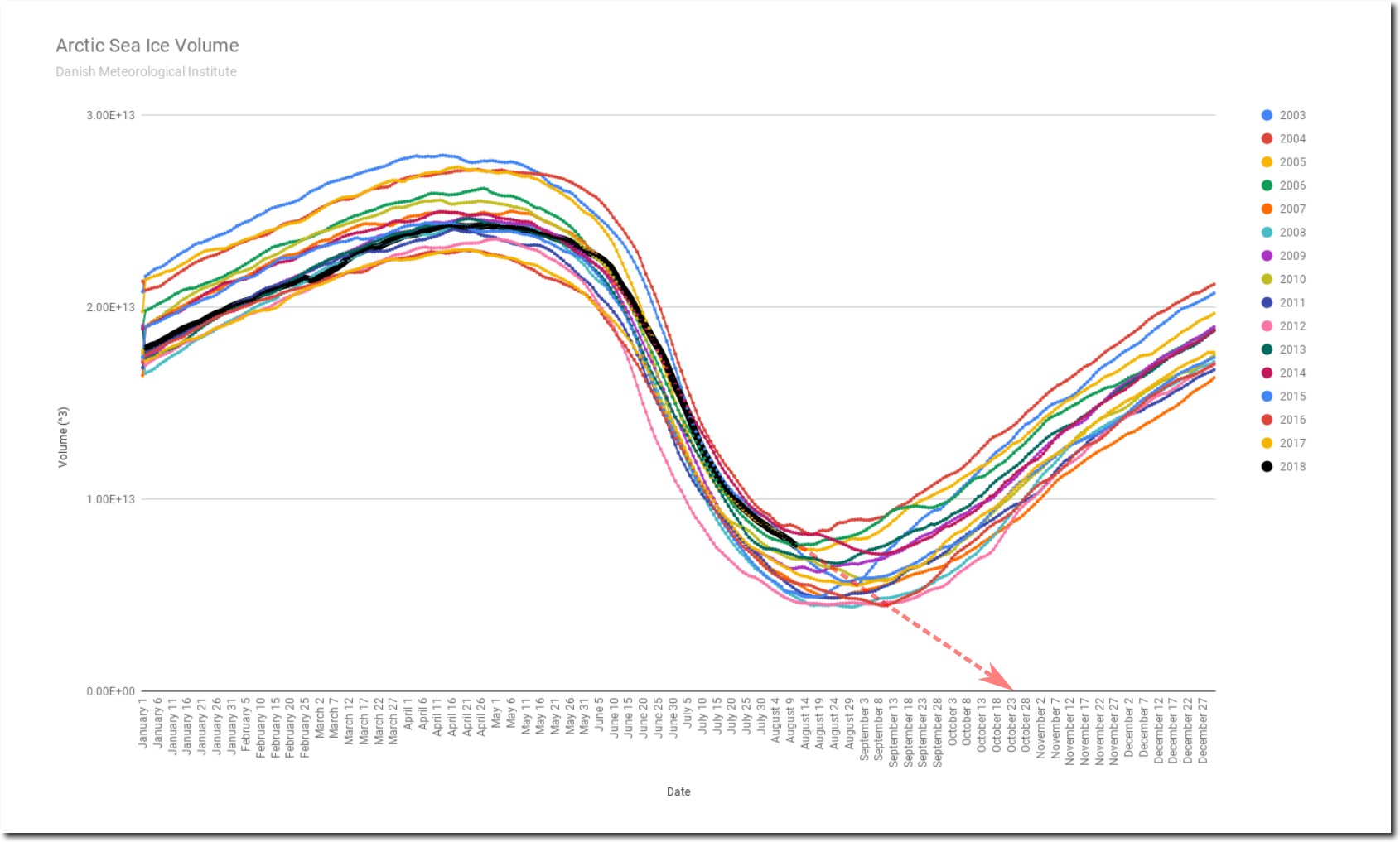
My current projection for an ice-free Arctic is October 24, at 1:02 PM.
NSIDC shows almost no change in Arctic sea ice extent since yesterday.
Index of /DATASETS/NOAA/G02135/north/daily/images/2018/08_Aug/
My current projection for an ice-free Arctic is October 24, at 1:02 PM.
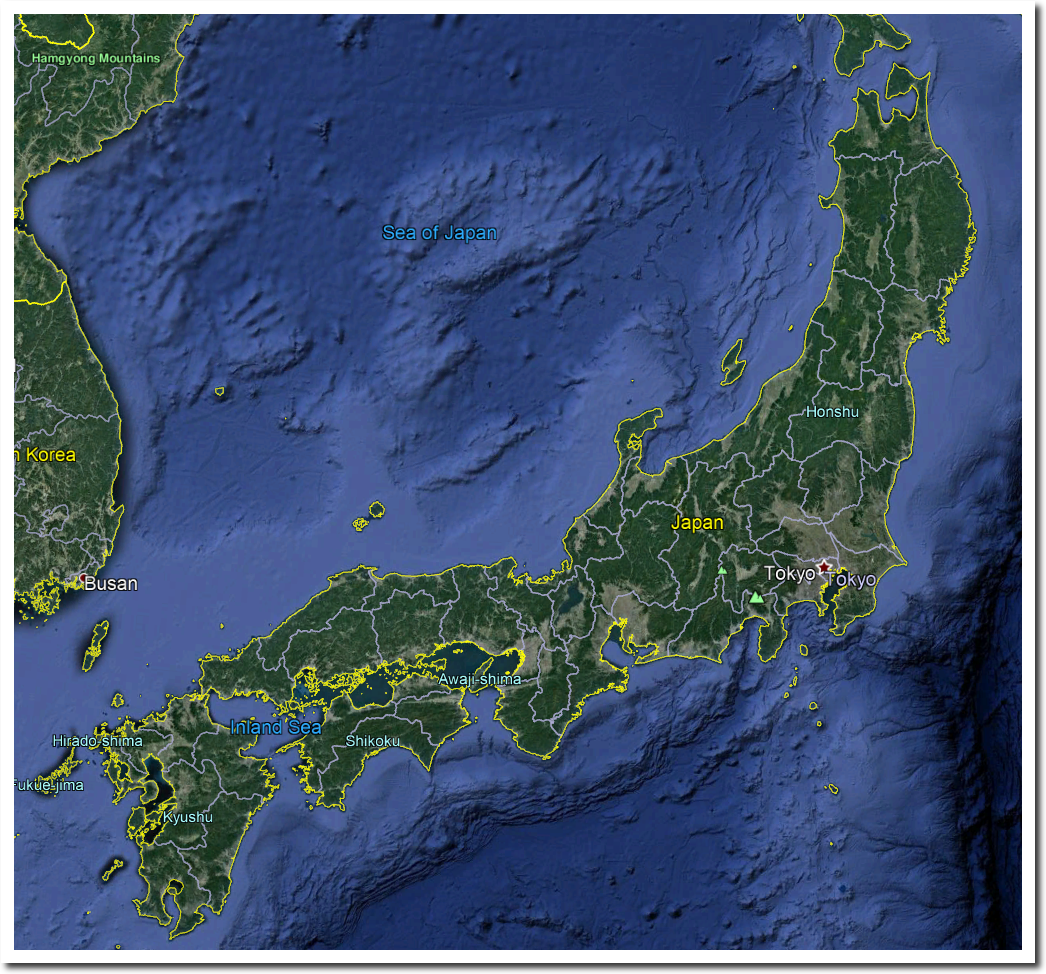
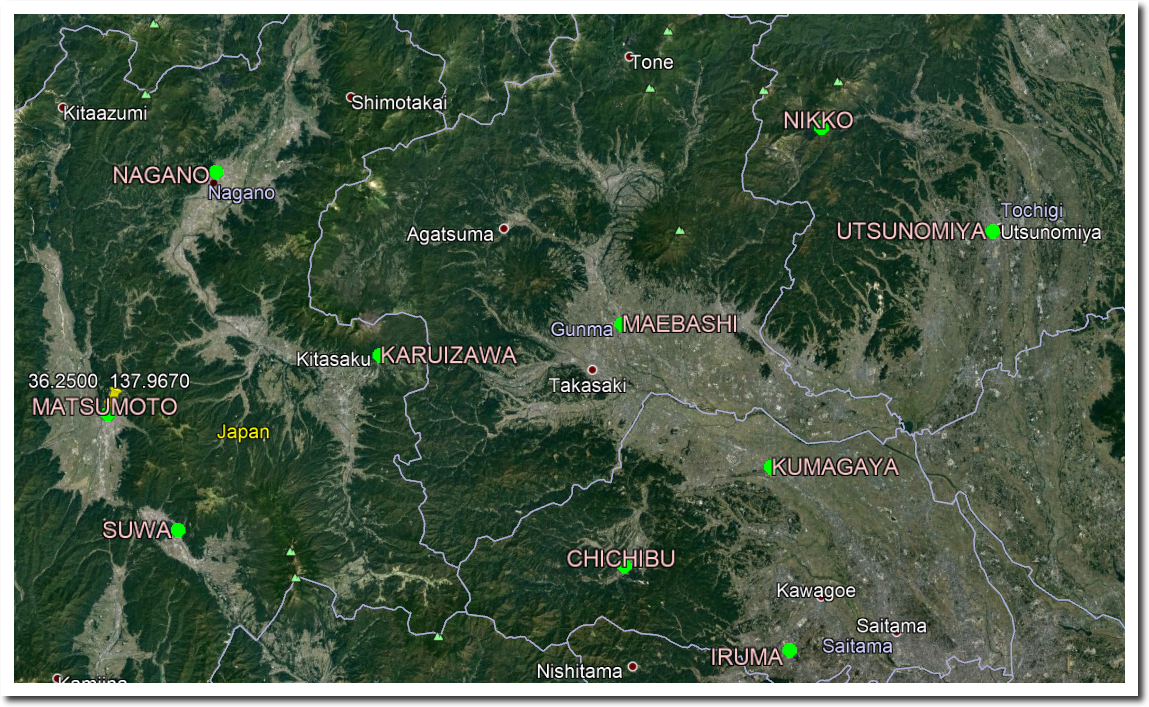
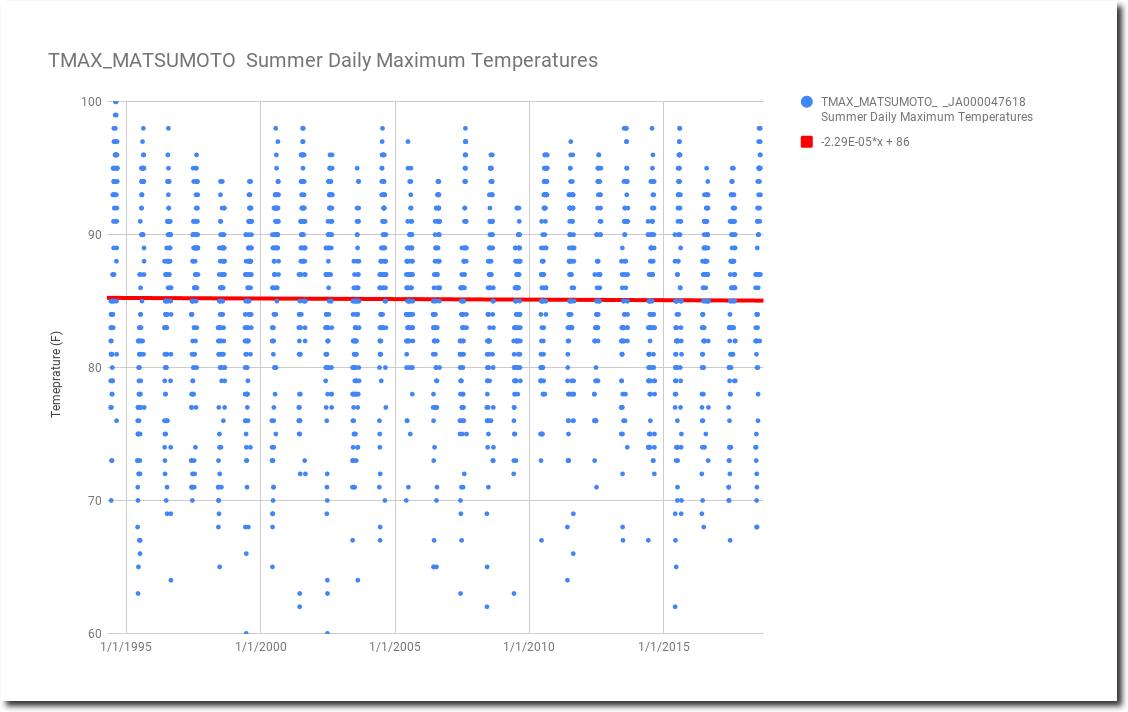
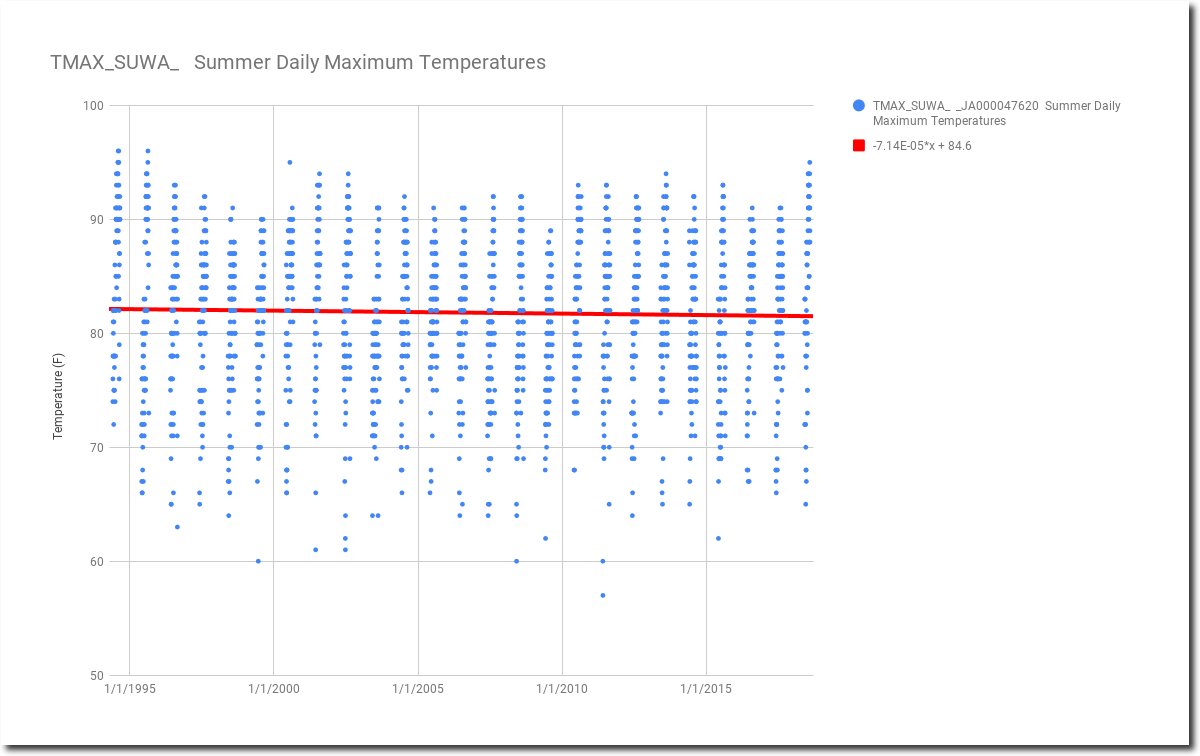
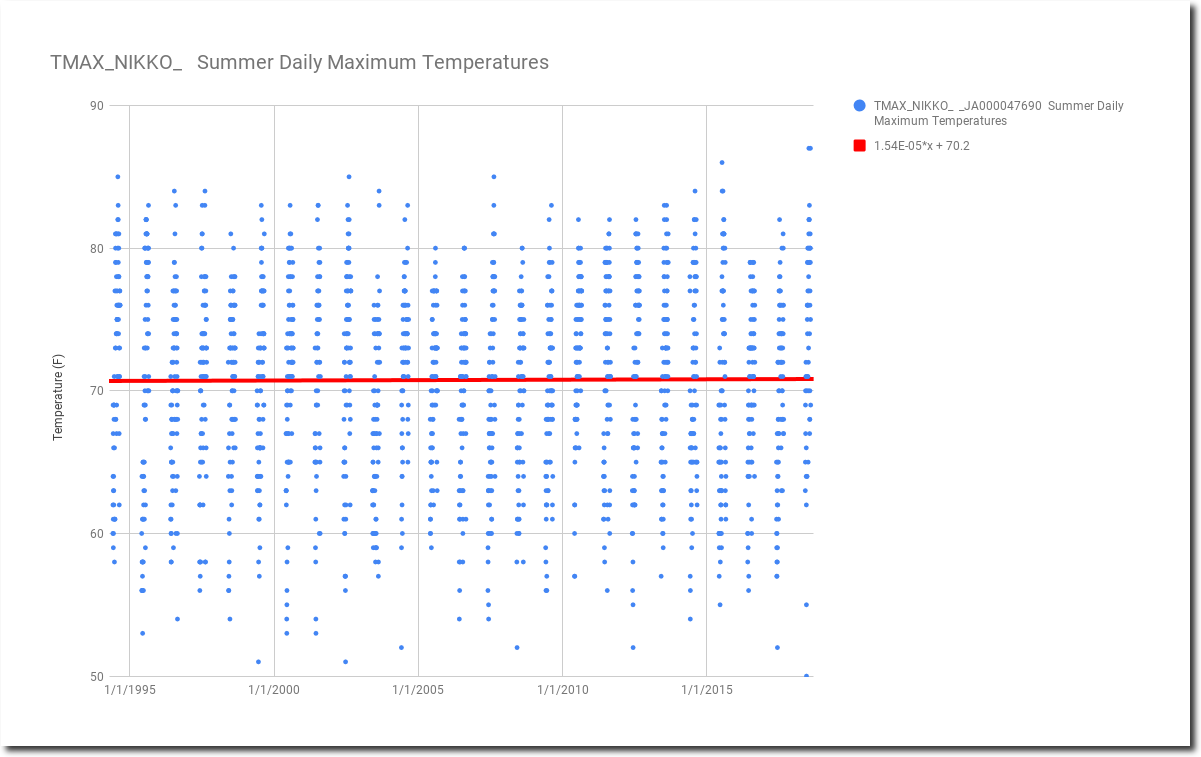
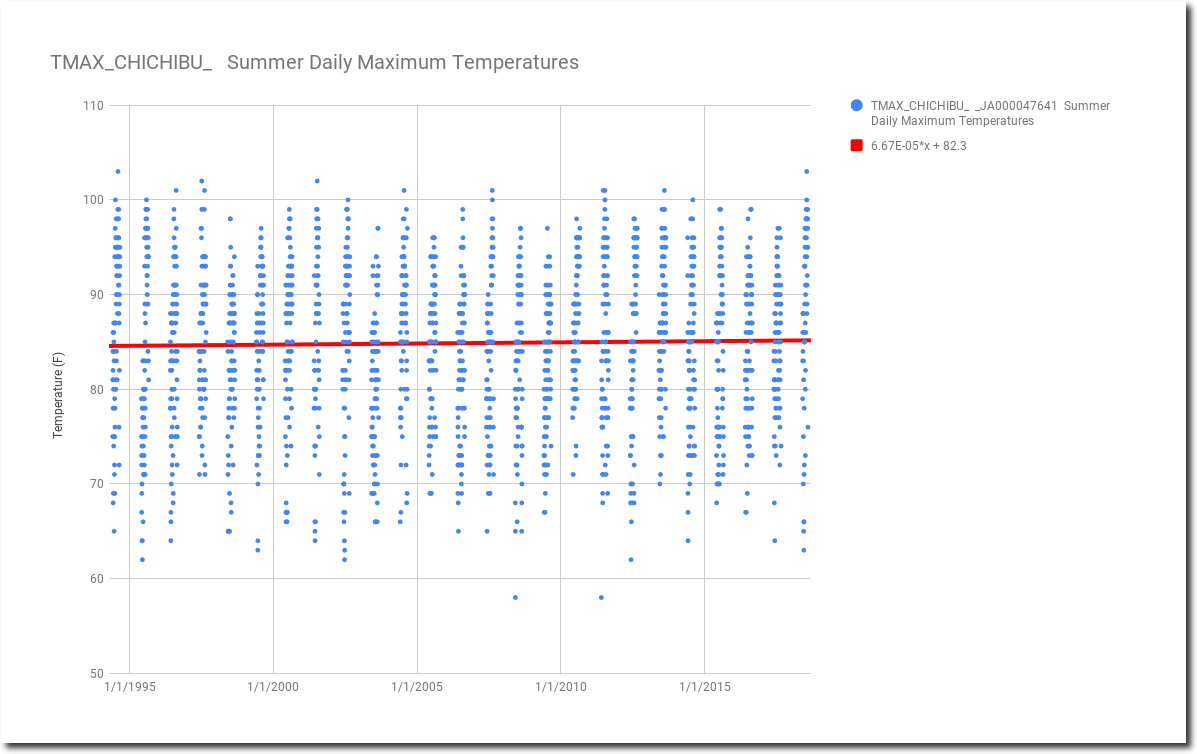
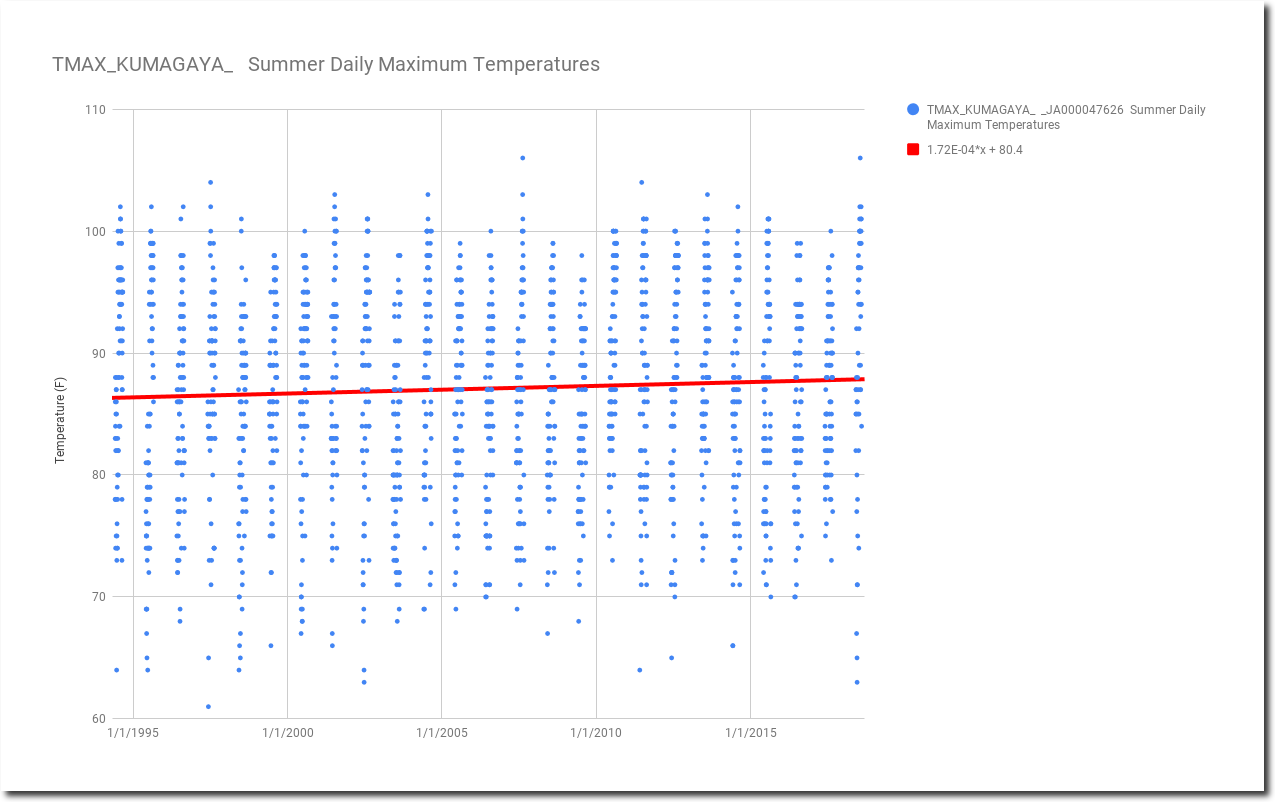
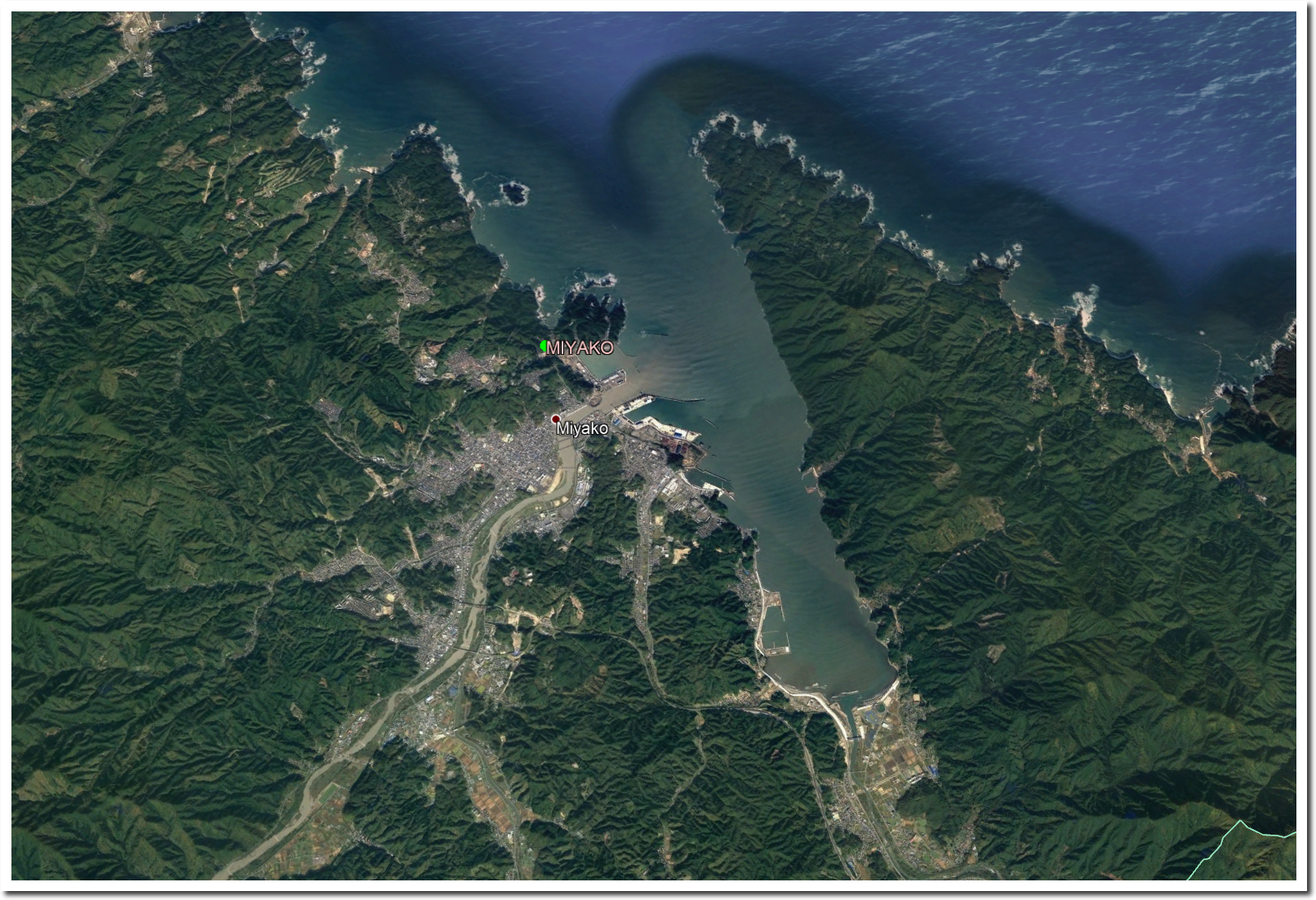
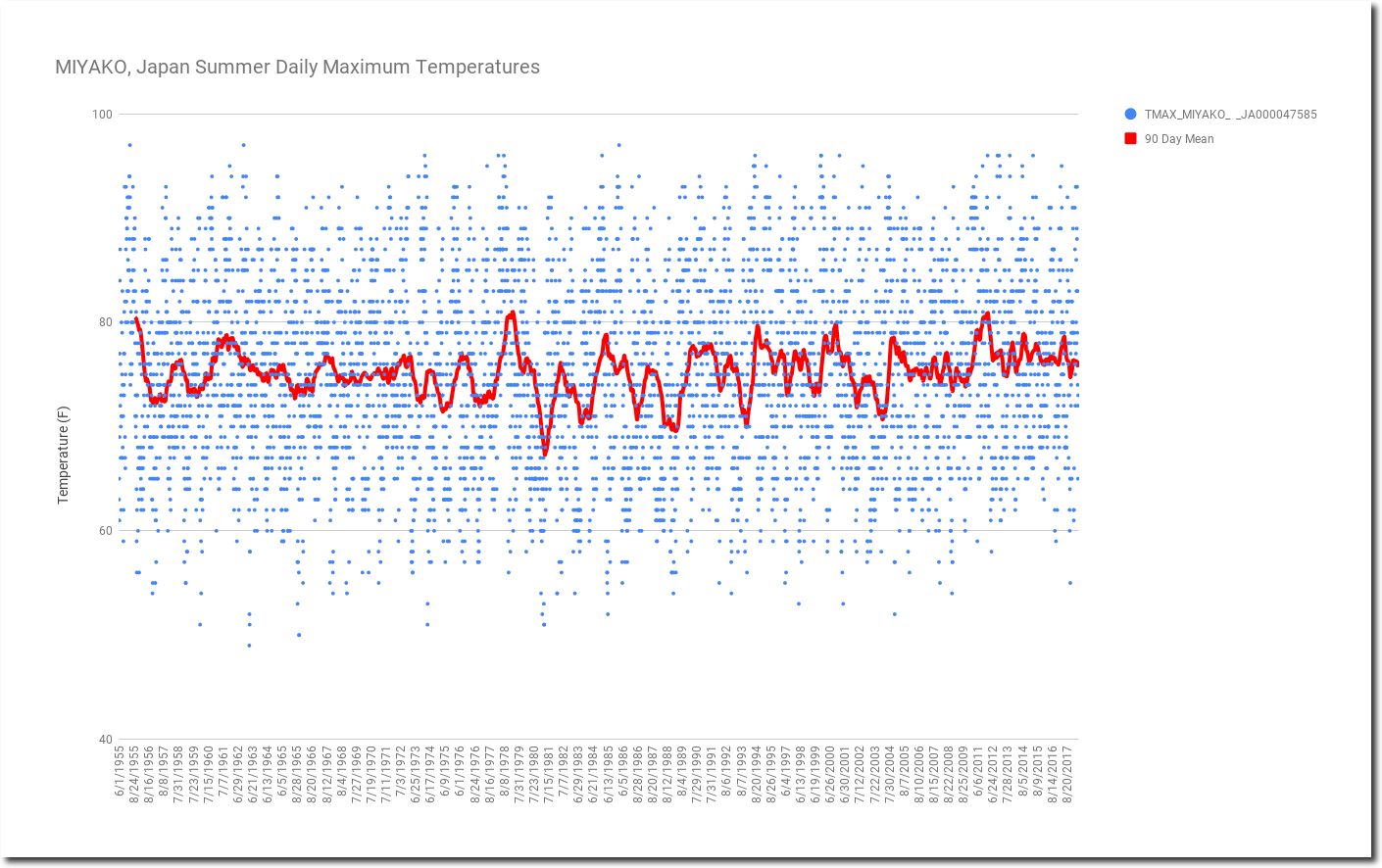
I’ve been looking at Japanese thermometers on Google Earth, and the vast majority of them are located in catastrophically bad locations on or near asphalt in the middle of large urban areas. One exception is at Miyako, about 300 miles north of Tokyo. They show very little if any summer warming.
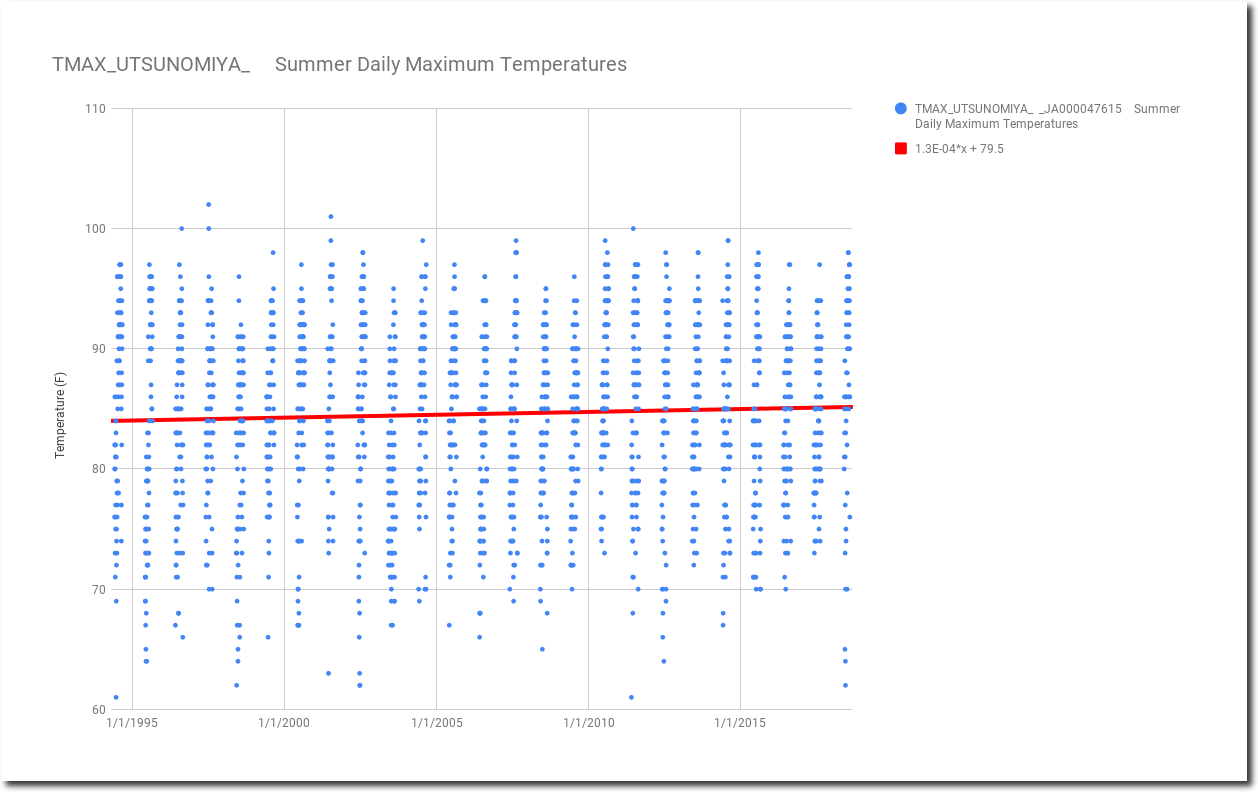
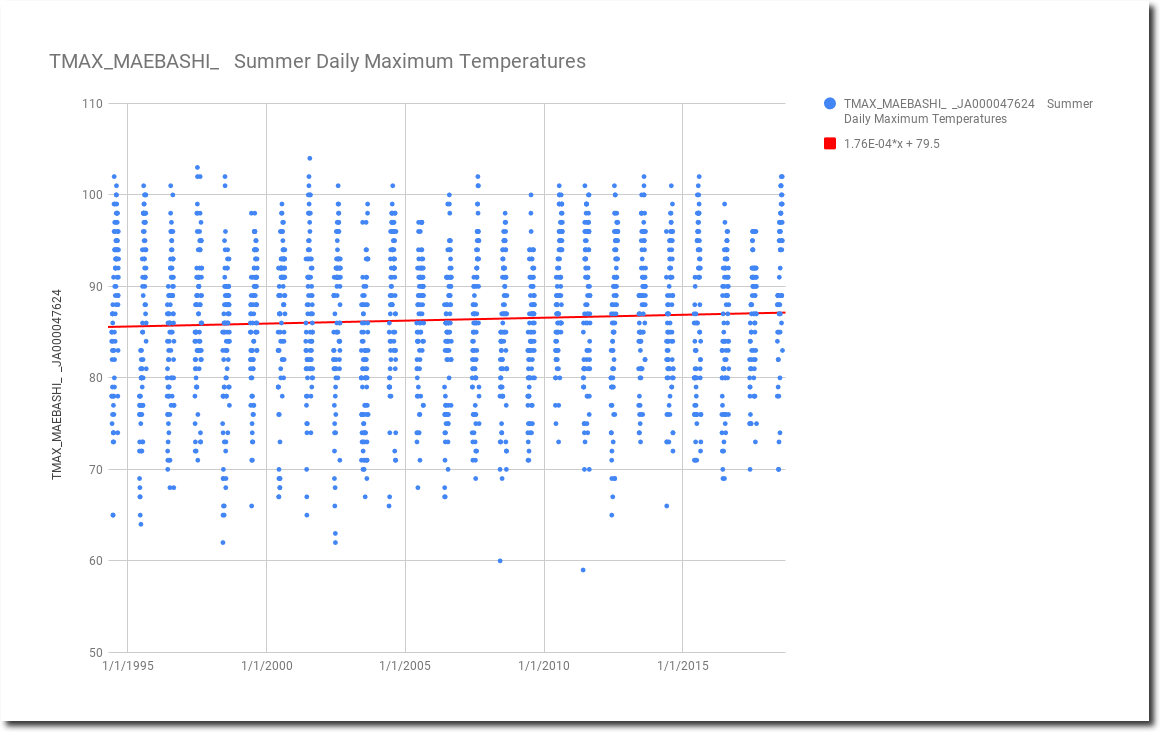
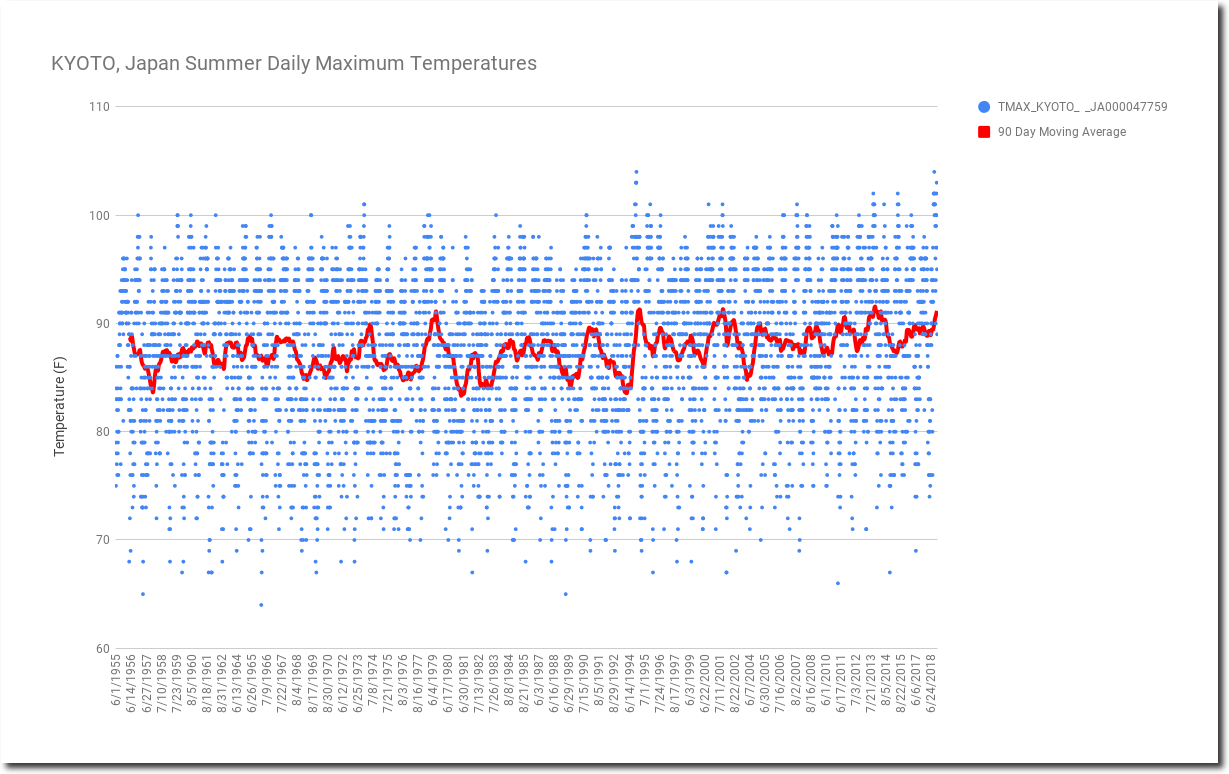
Compare vs. Kyoto, where the station is located in the middle of an urban jungle, and temperatures are warming.
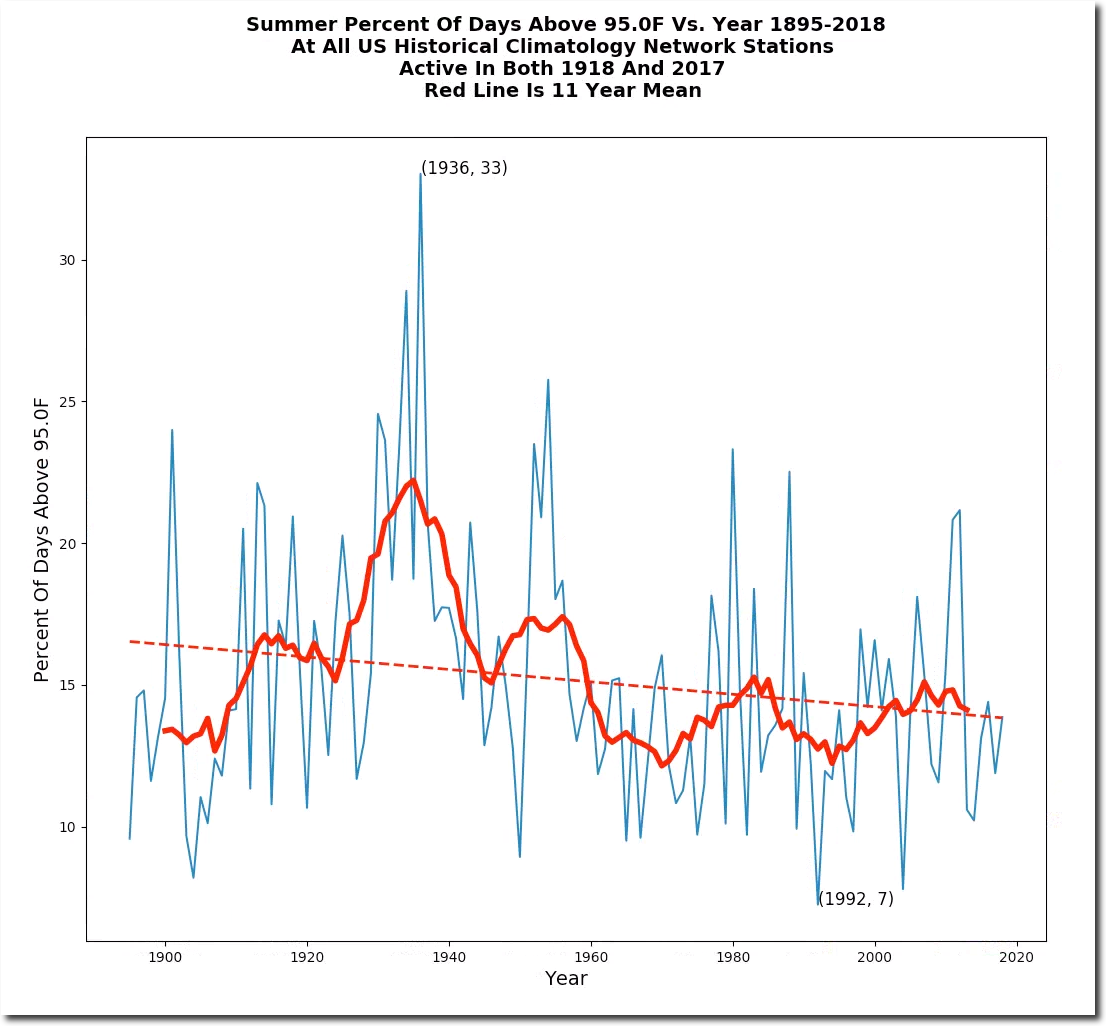
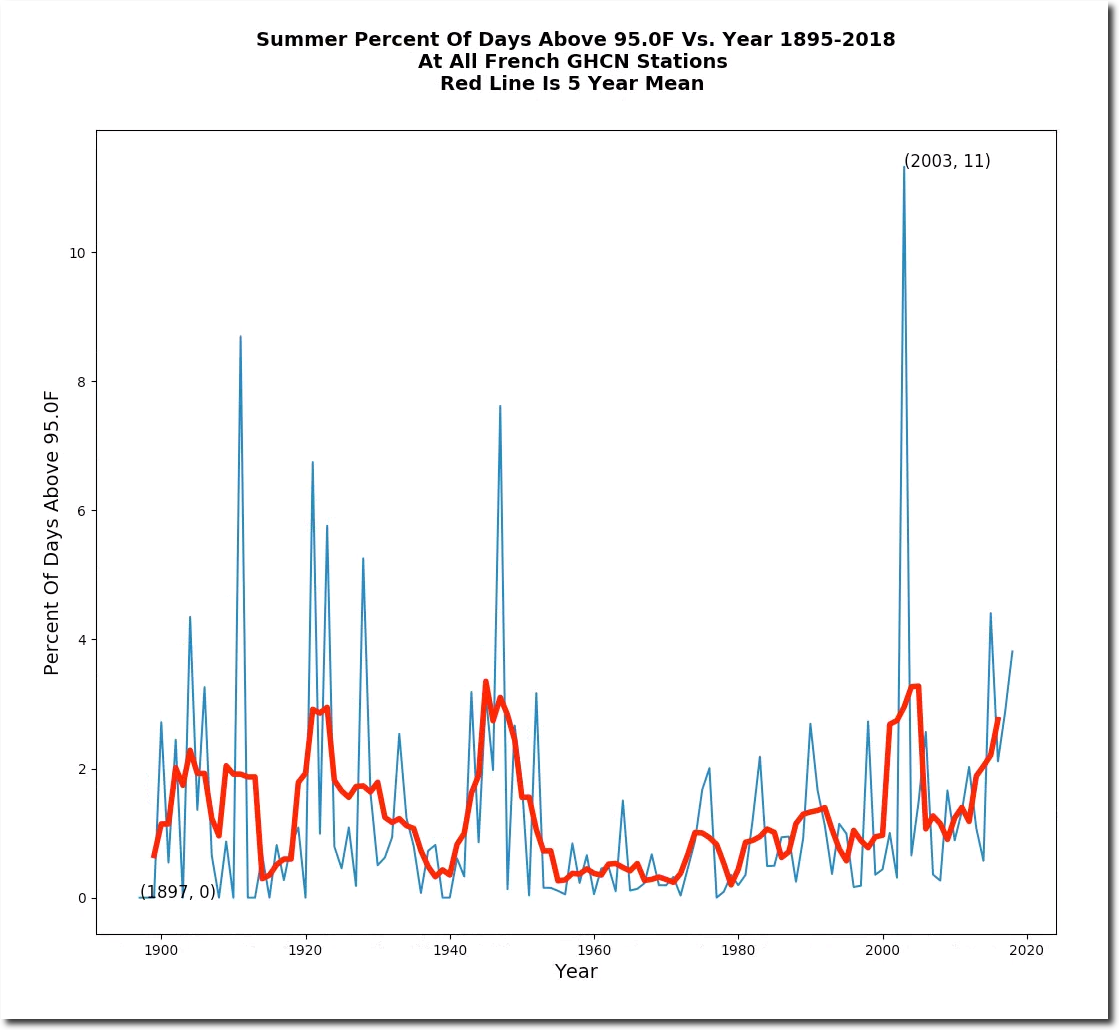
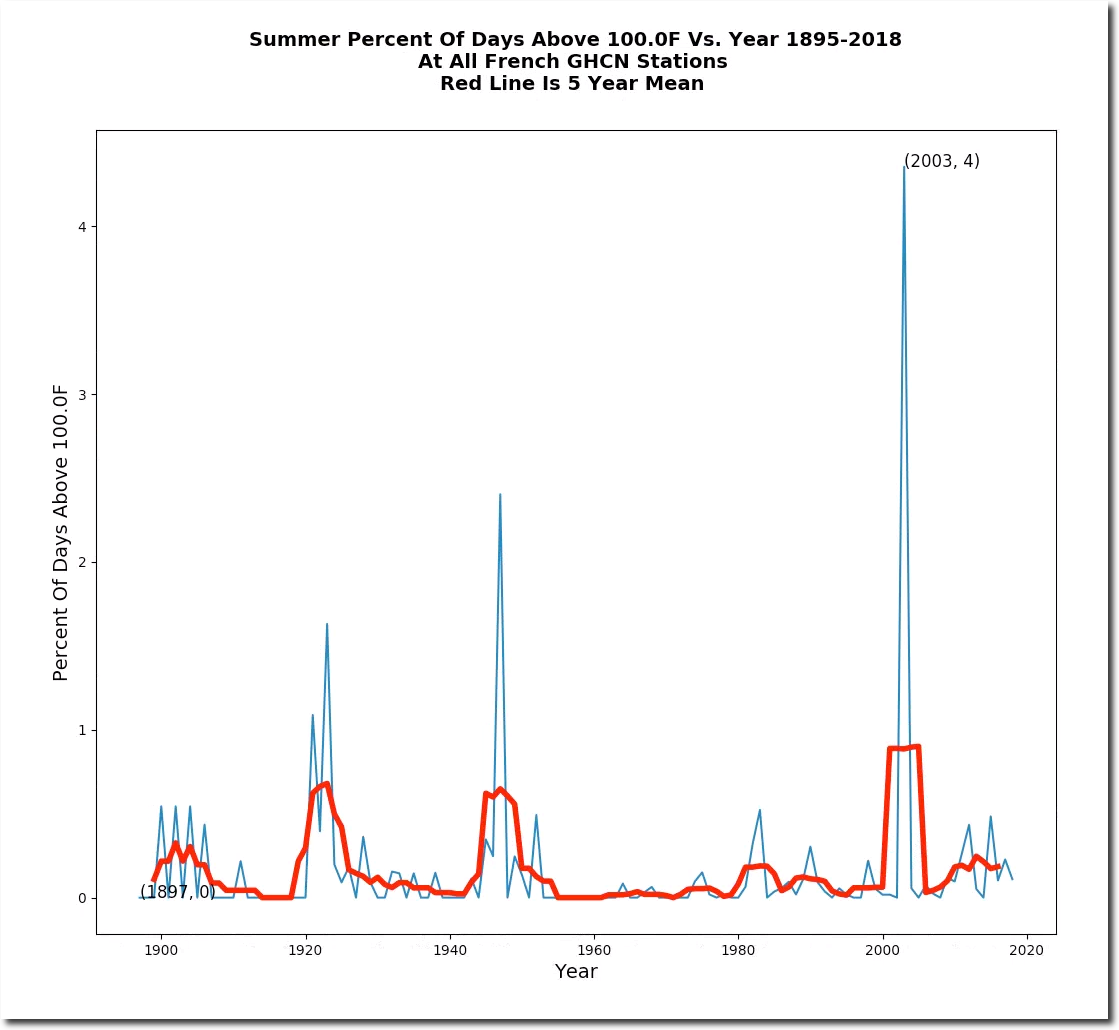
The average afternoon summer temperature in France is about the same as 100 years ago, as is the frequency of hot days. This summer has been unusual not because of the number of hot days, but rather a lack of cool days. Very similar to the situation in the US.
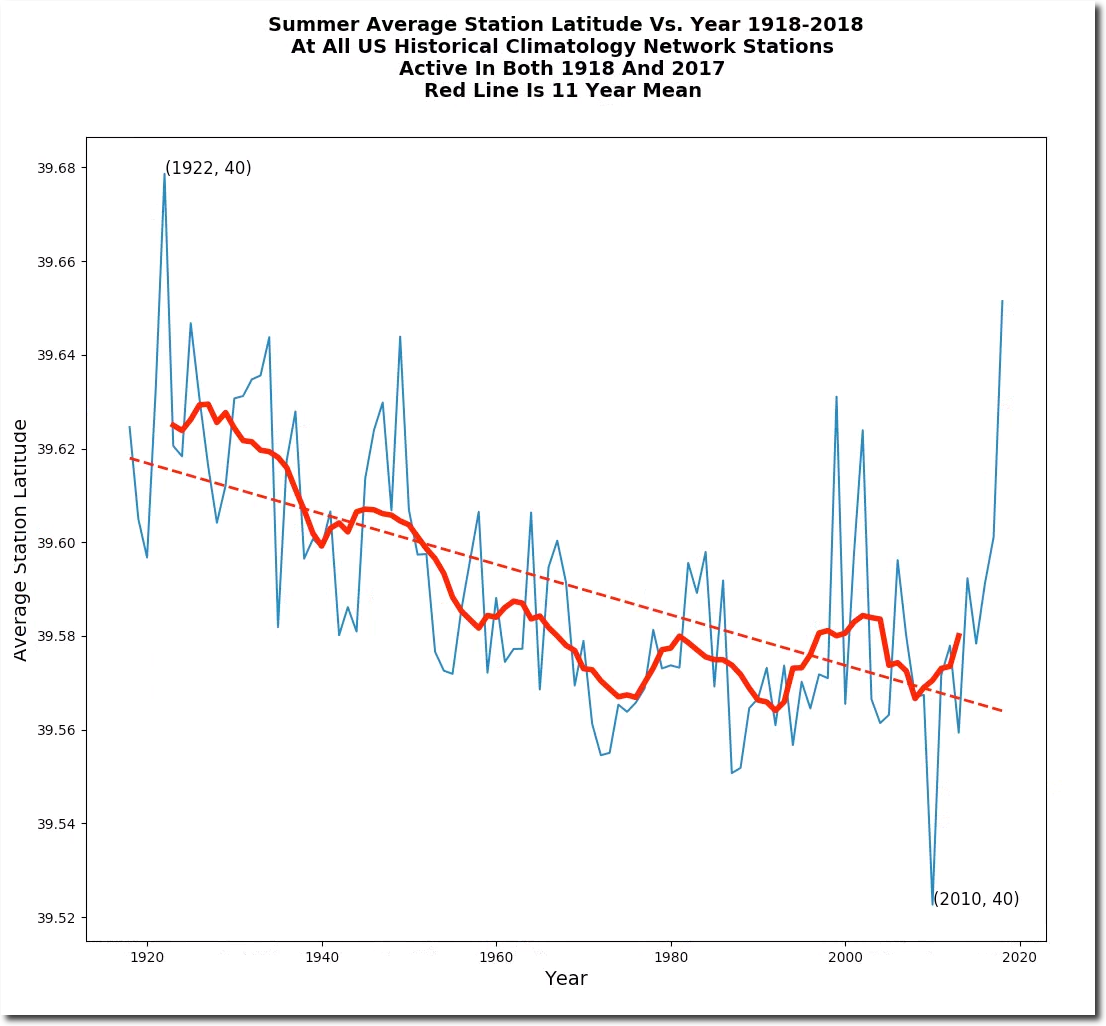
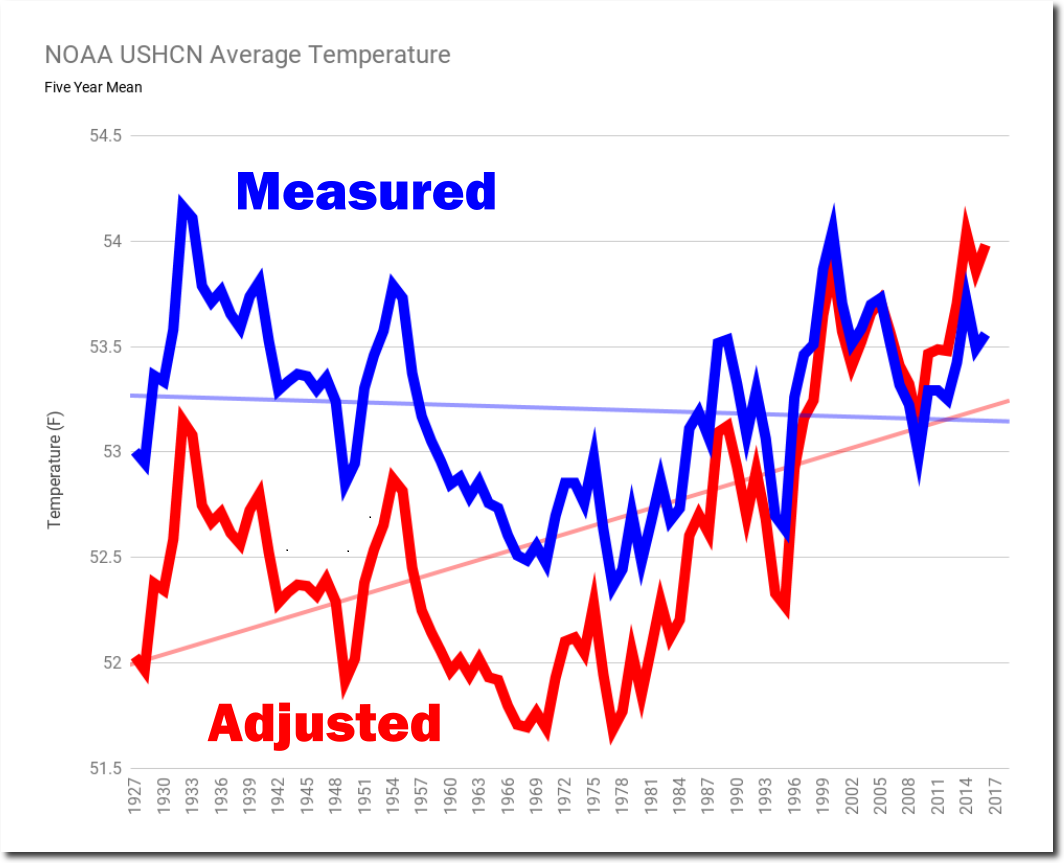
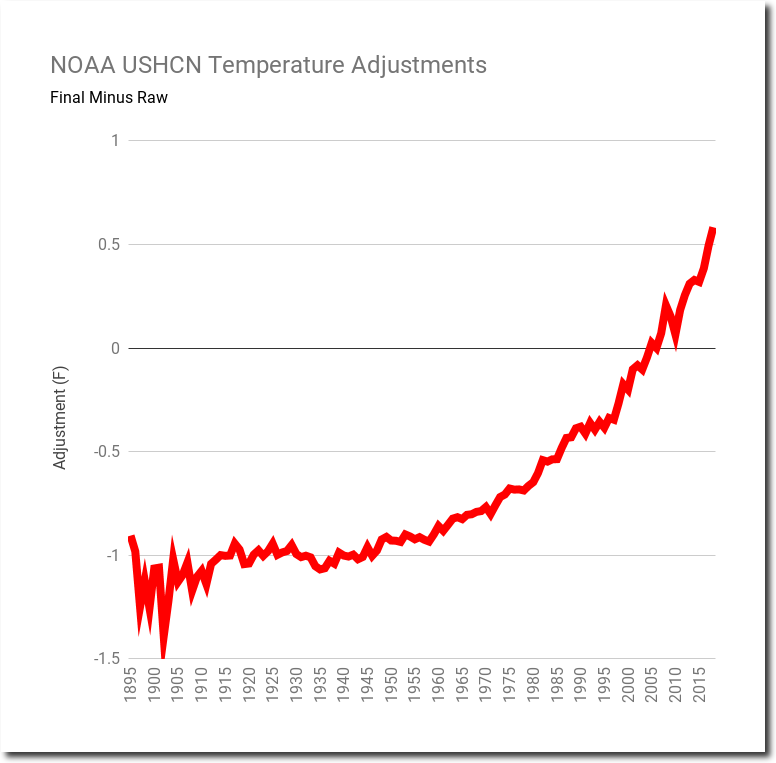
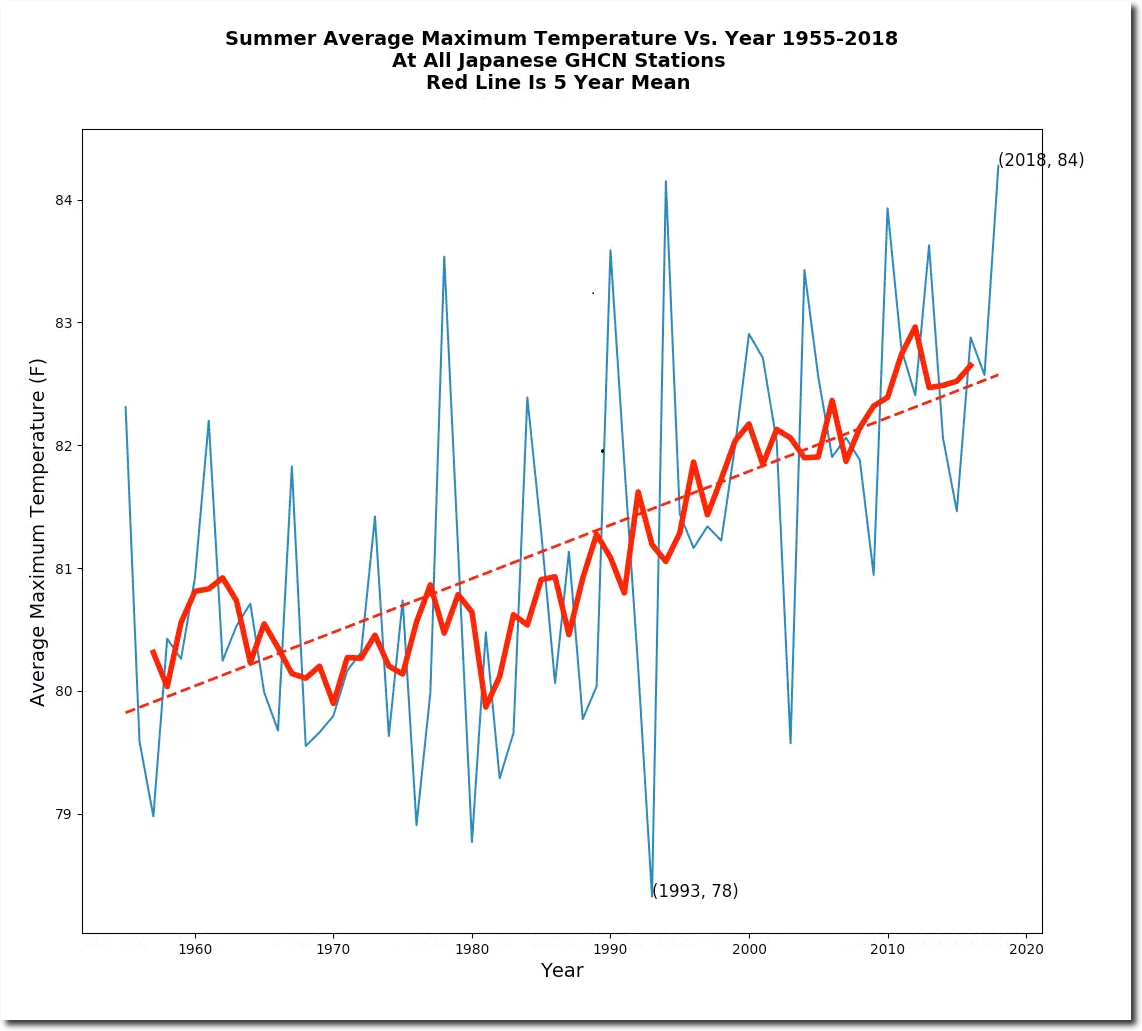
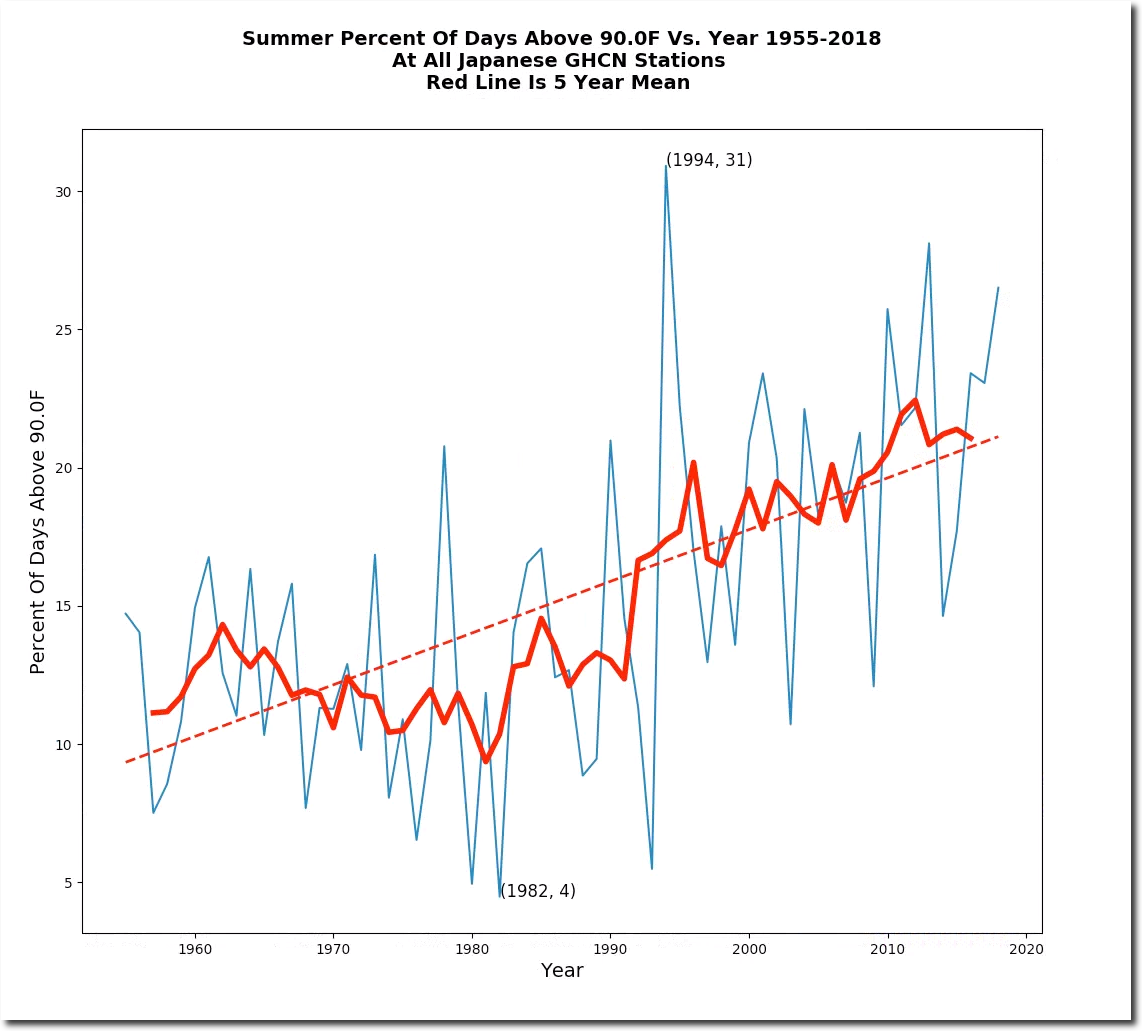
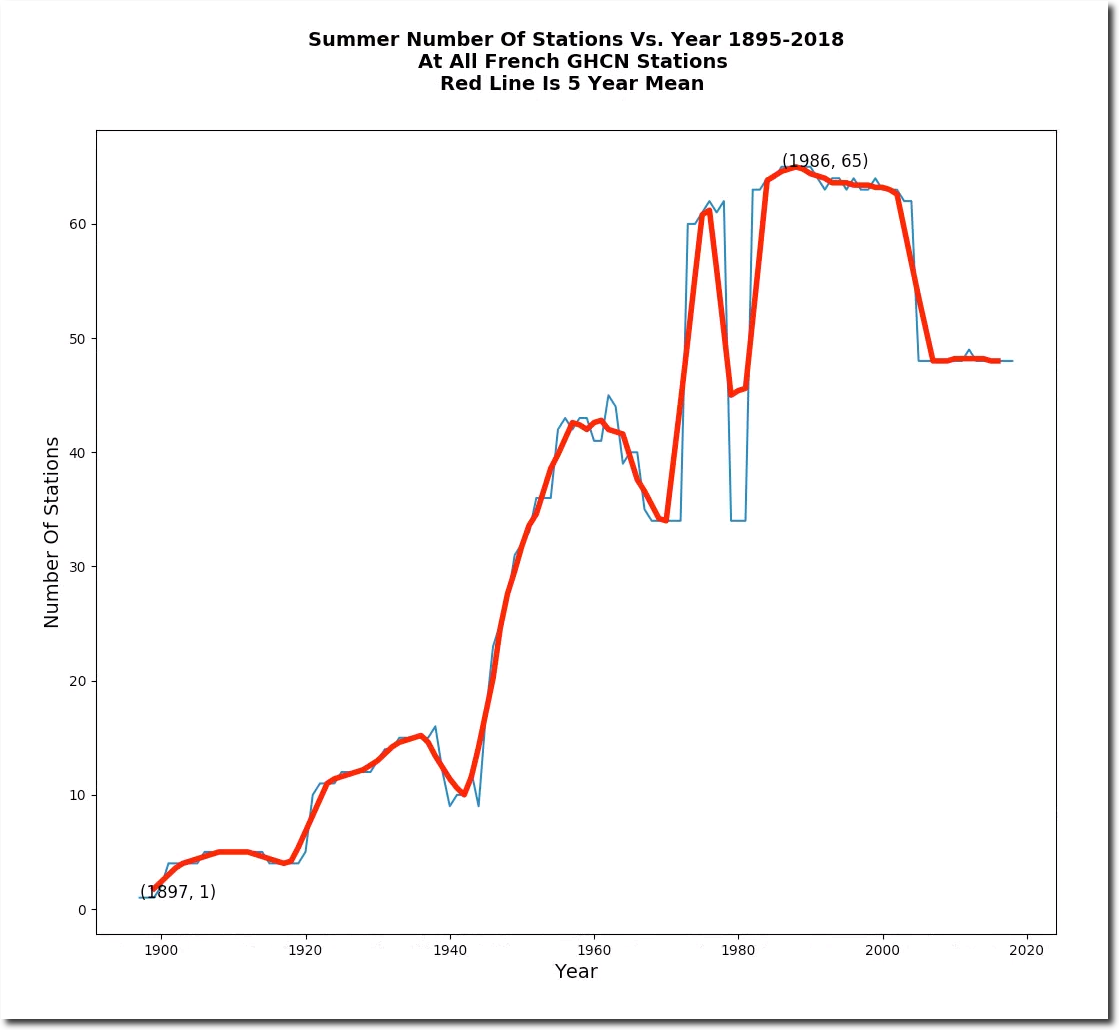
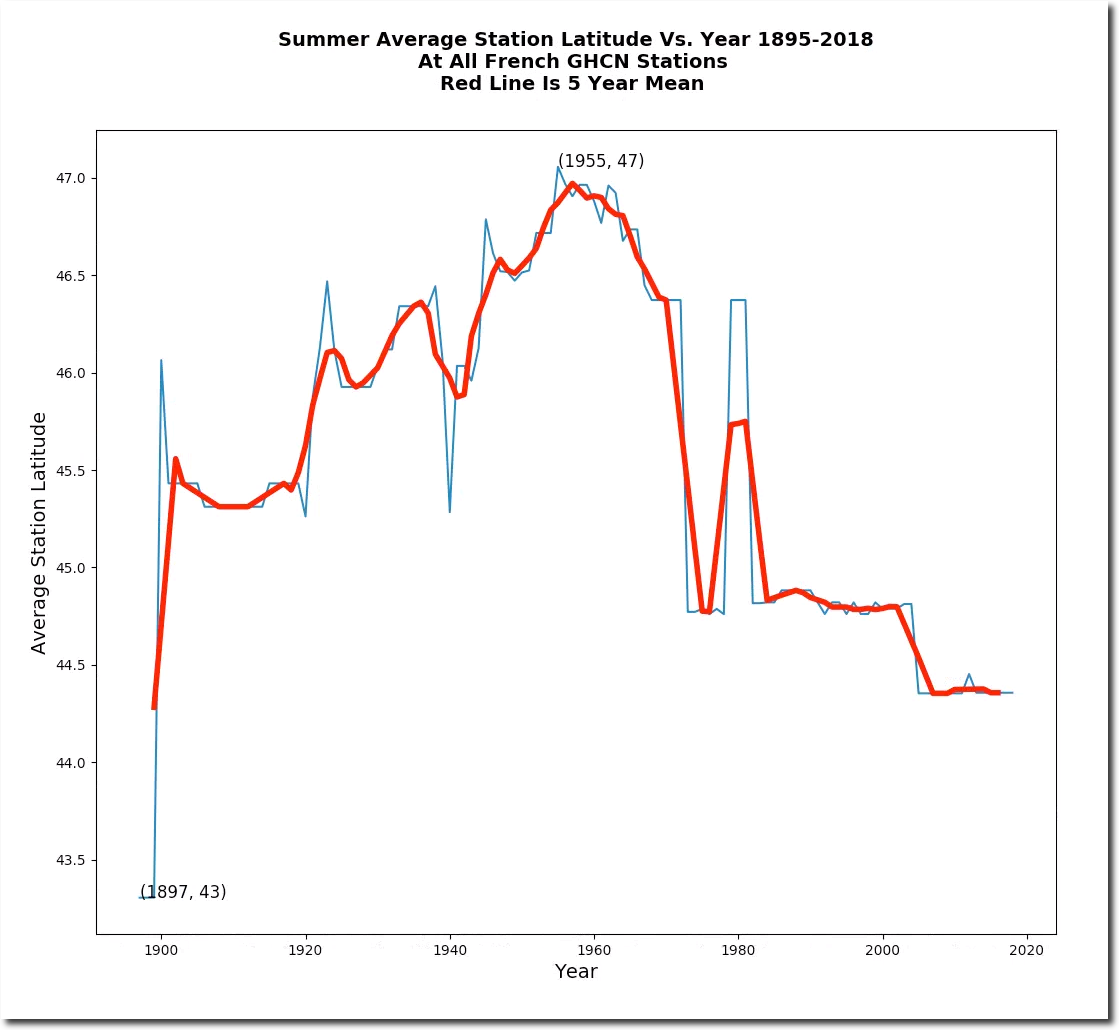
The number of stations has increased quite a bit, and the average latitude has moved towards the equator by more than two degrees, which probably accounts for the entire warming trend since 1955. This is the sort of garbage in the GHCN record which makes the global temperature record meaningless.
August 12, 1936 was the hottest day on record in Texas and Oklahoma. at 120 degrees. It was 119 in Kansas that day, and 111 in Nebraska and Missouri. Oklahoma hit 120 degrees on four days that summer.
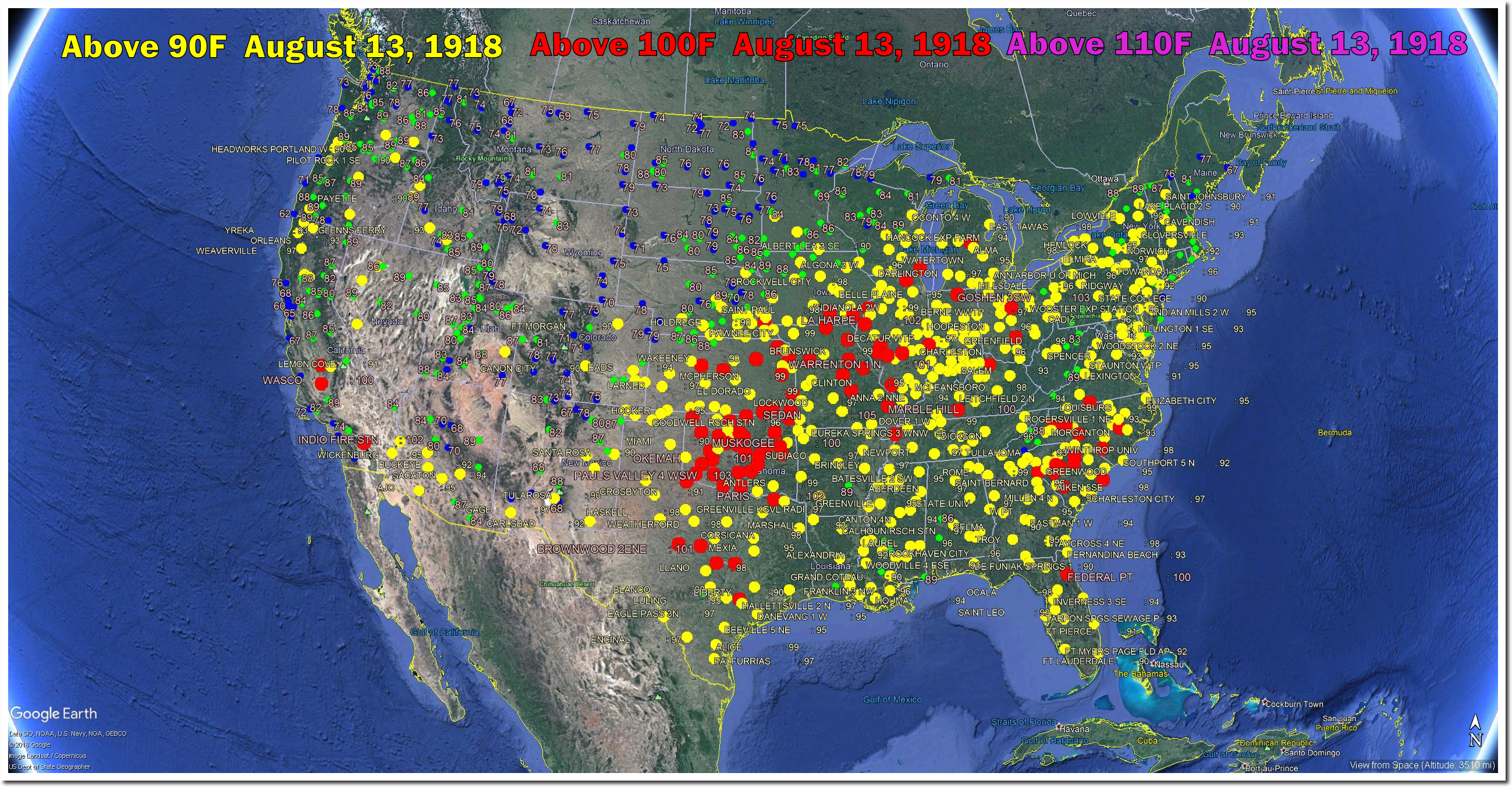
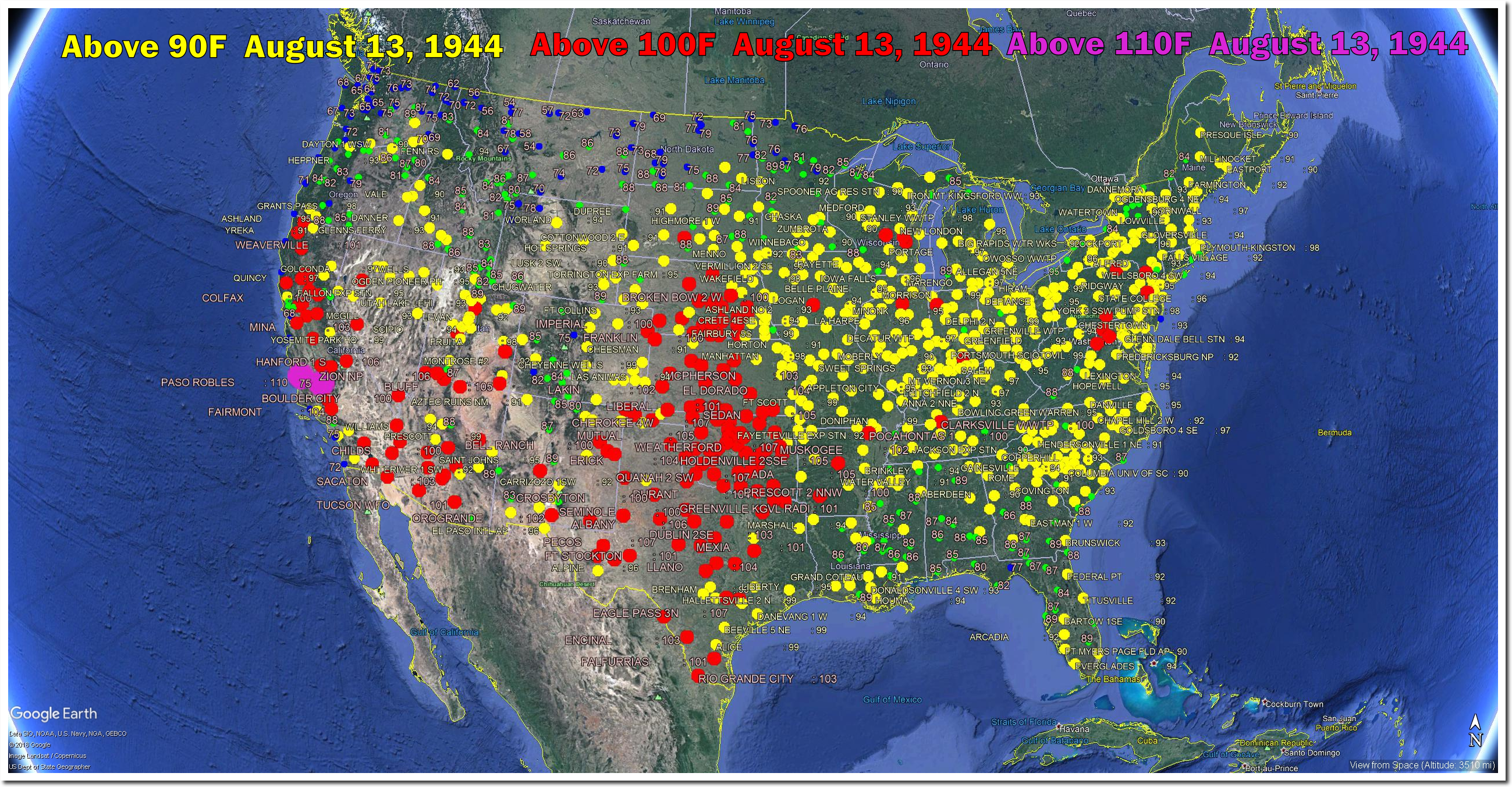
On this date in 1944, almost the entire US was over 90 degrees, with 100 degree temperatures from Washington state to Maine.
There was also a big heatwave in the central plains on this date in 1913 – the year California set the world’s record temperature of 134 degrees..
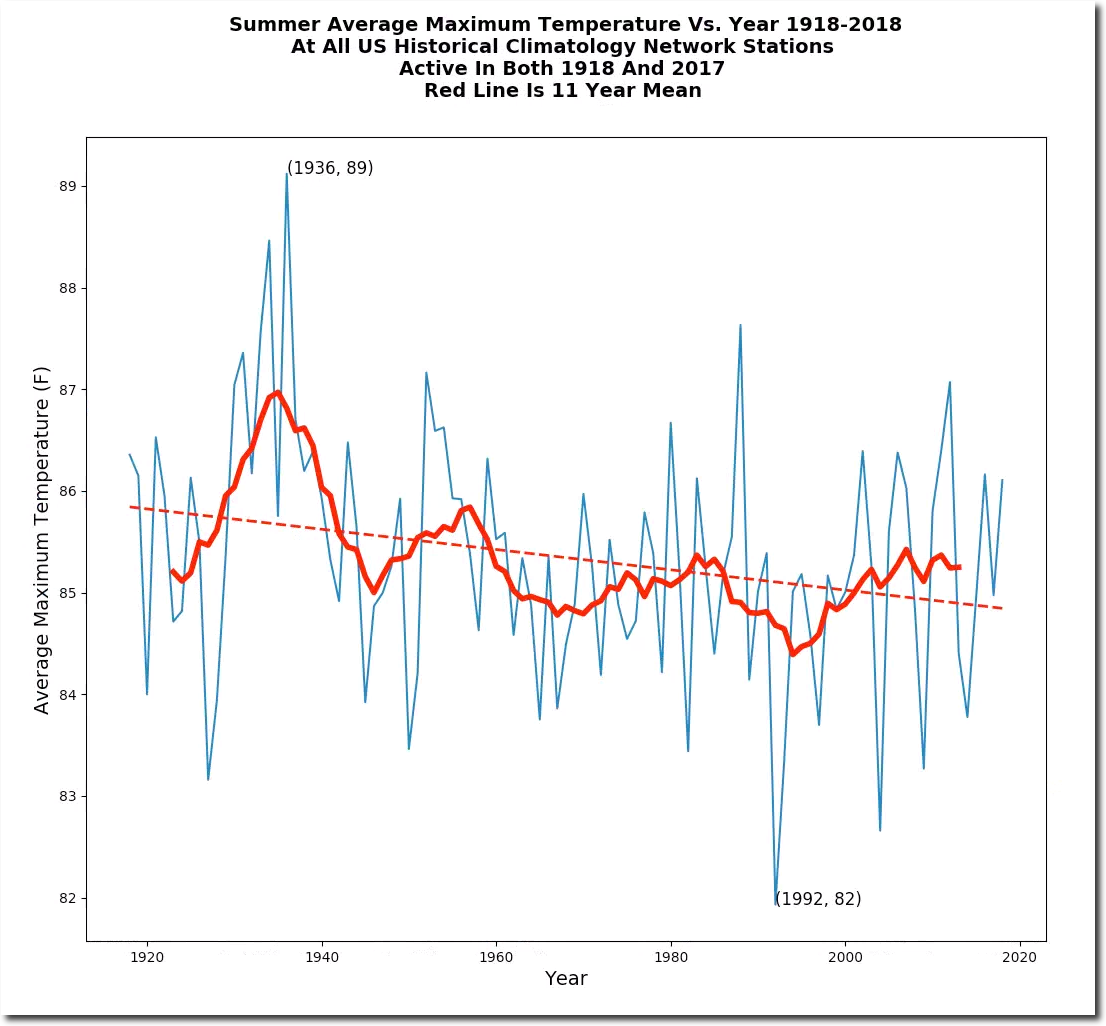
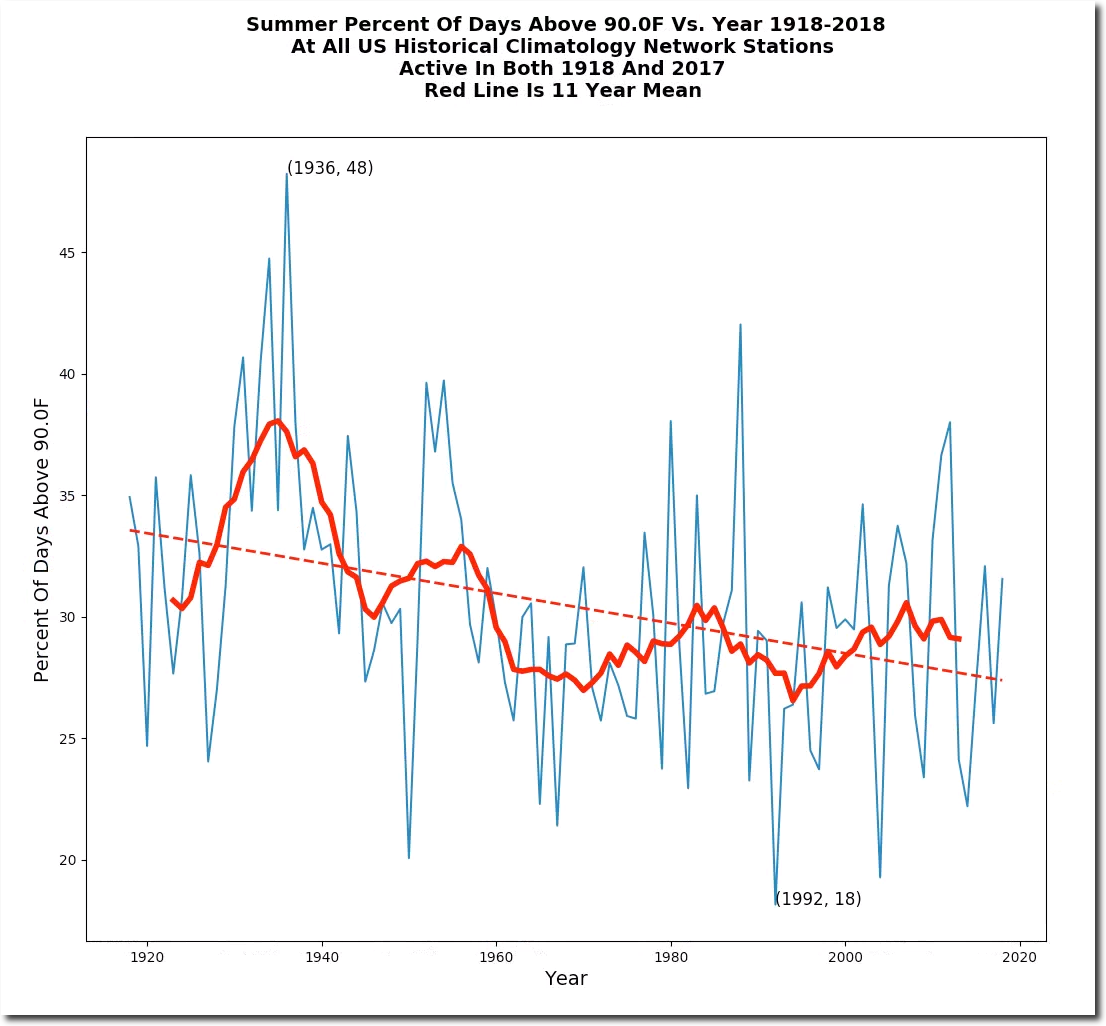
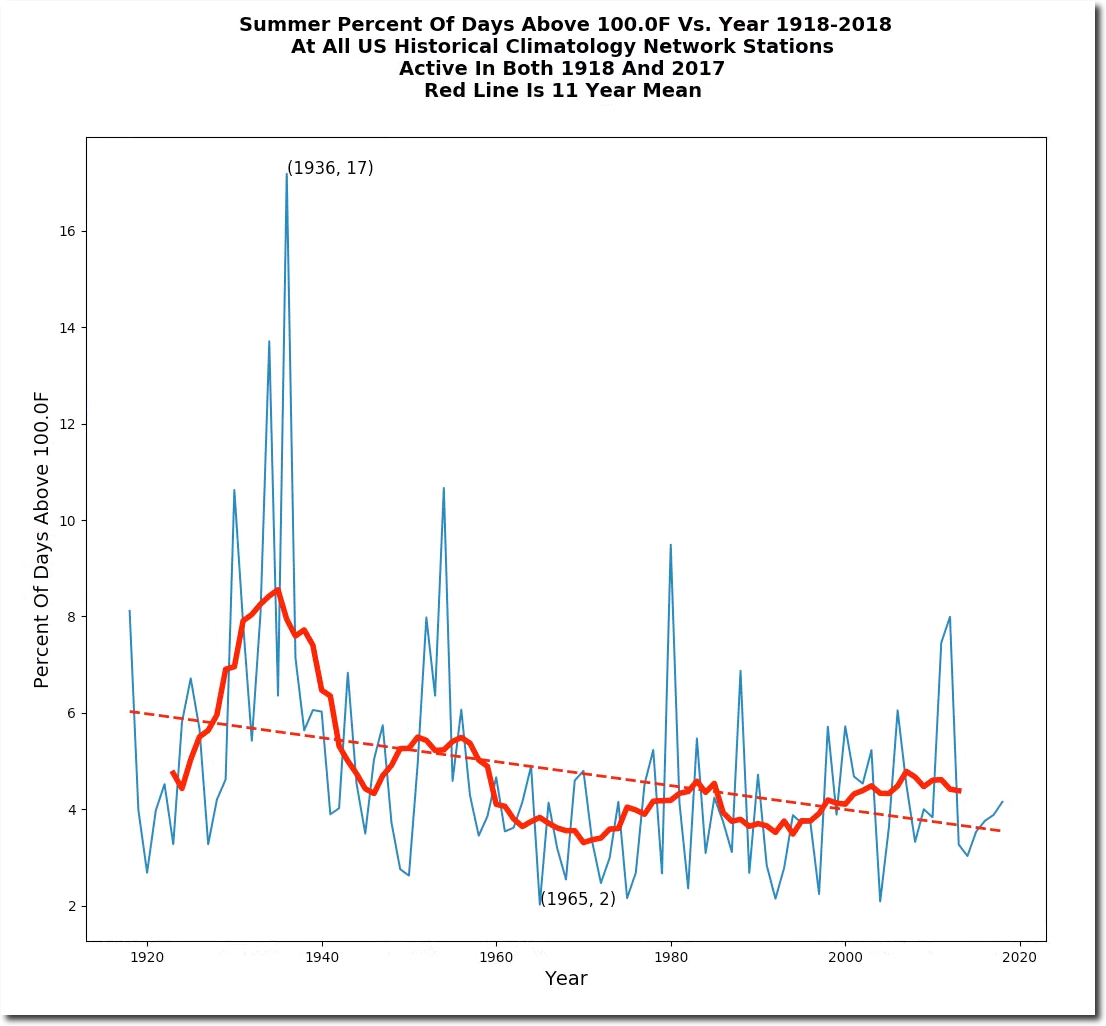
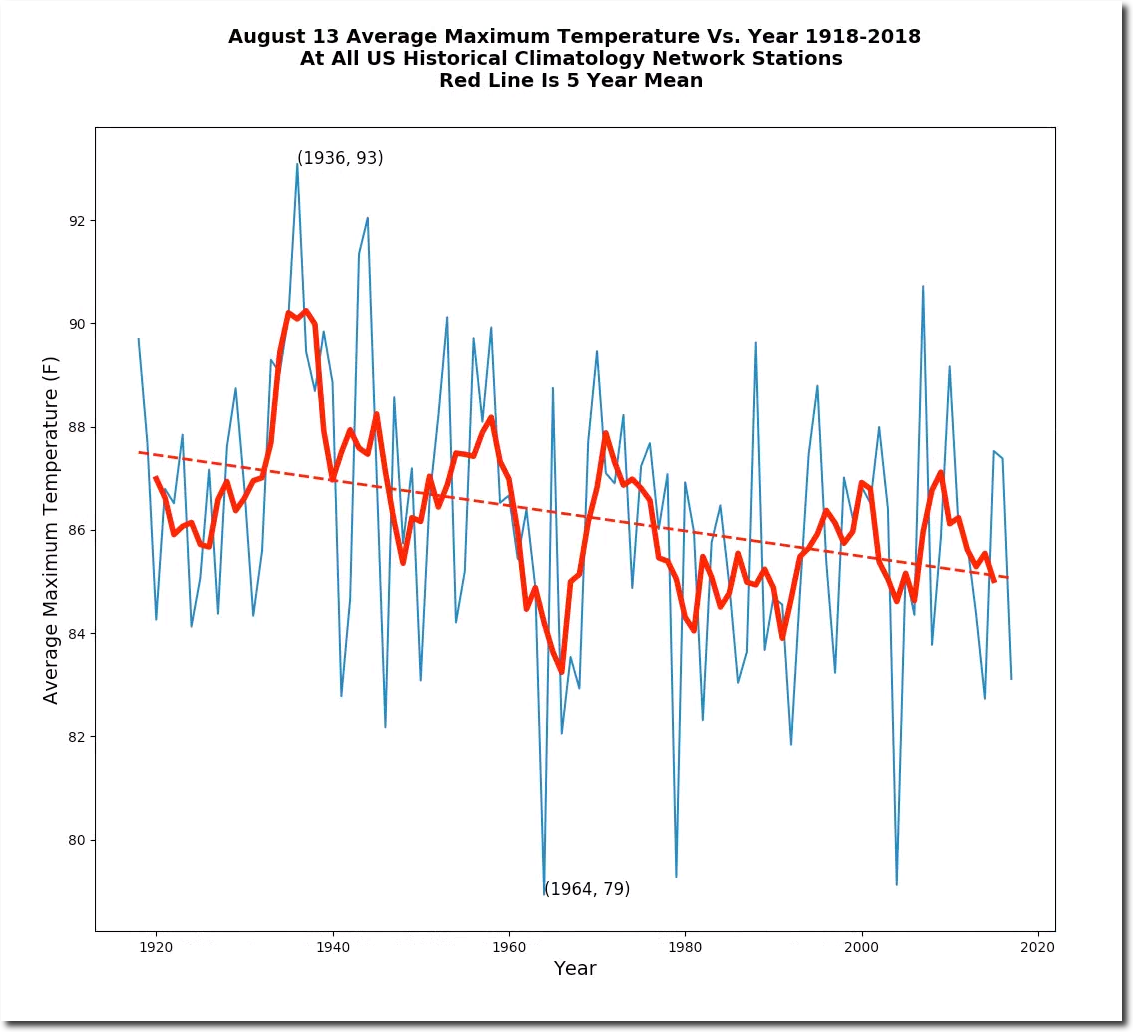
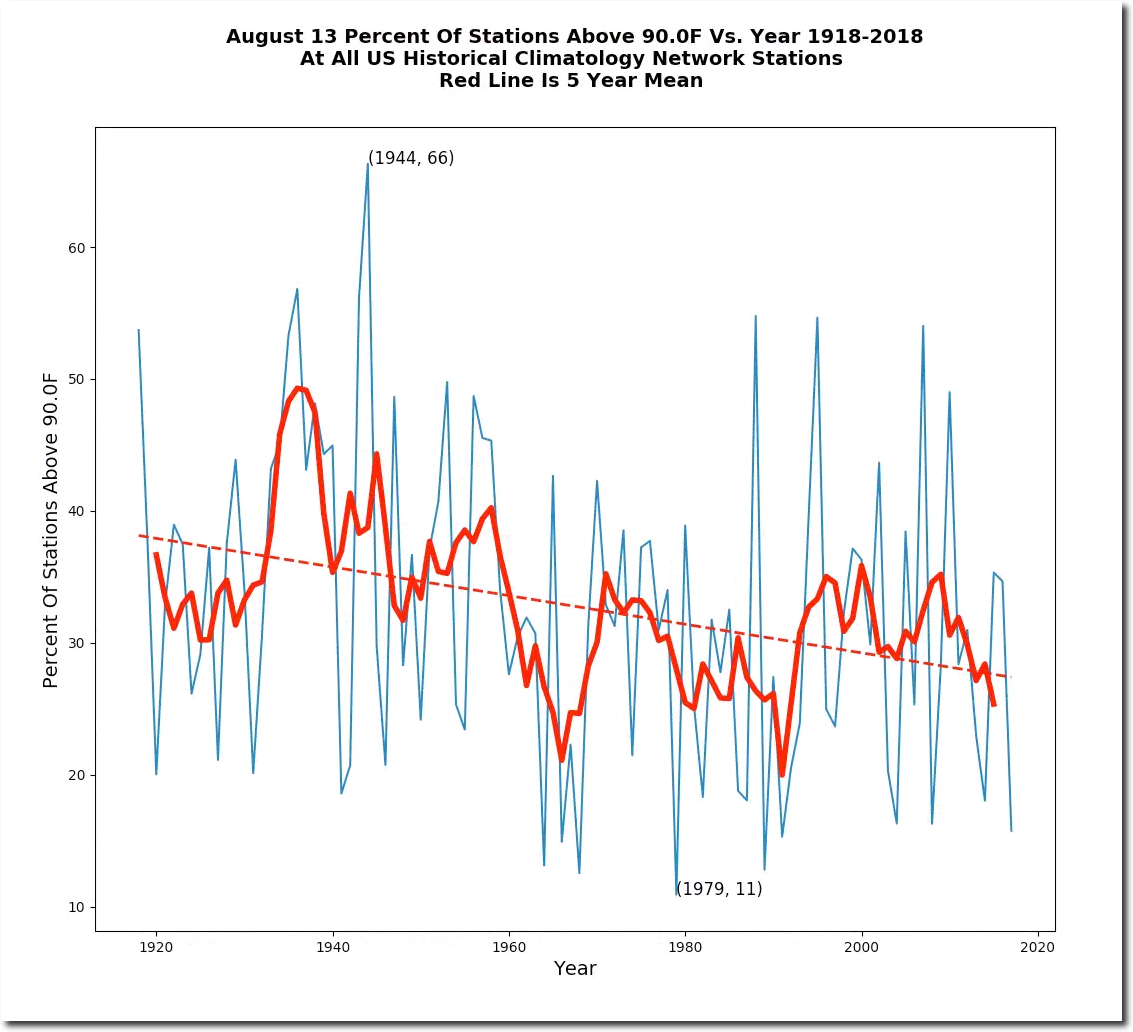
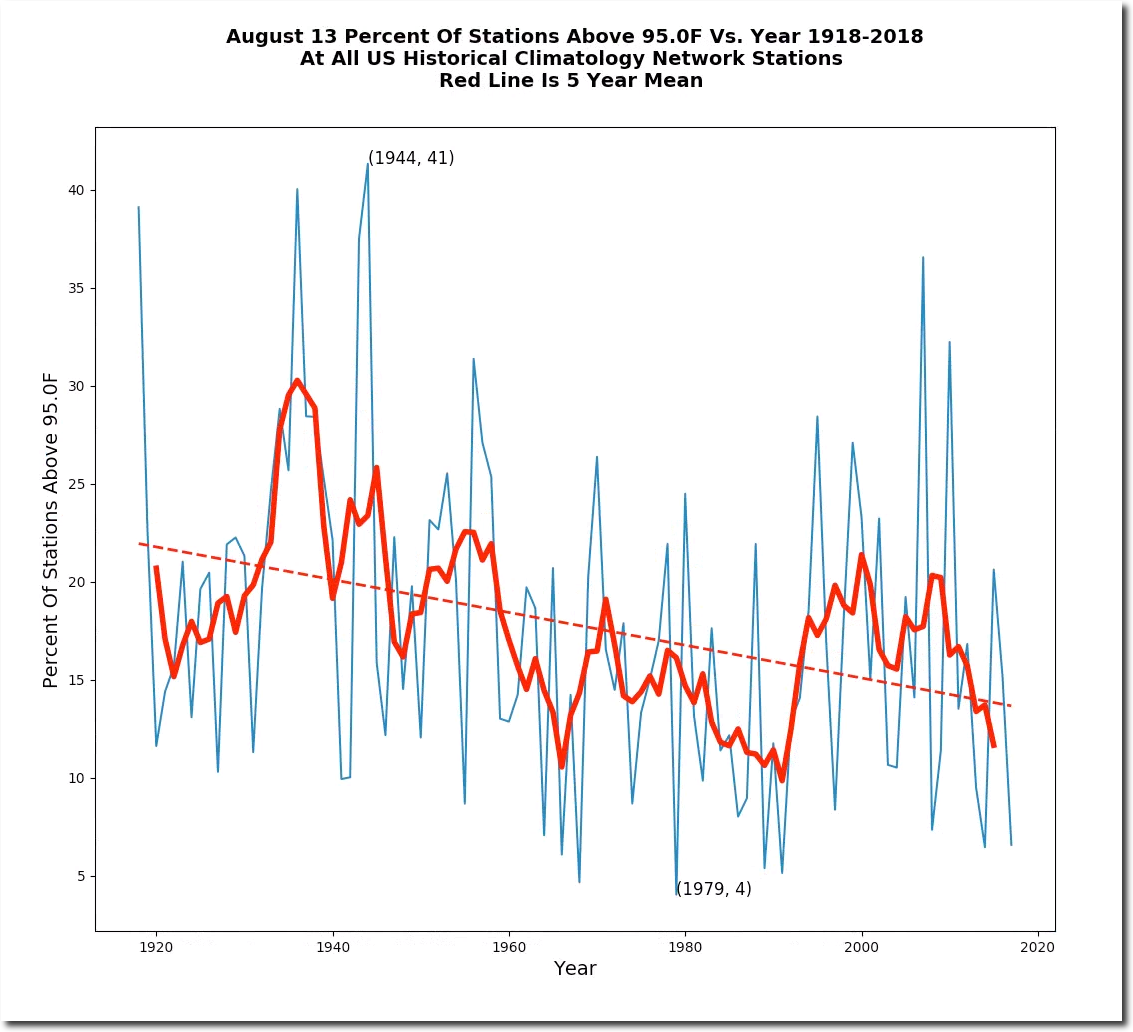
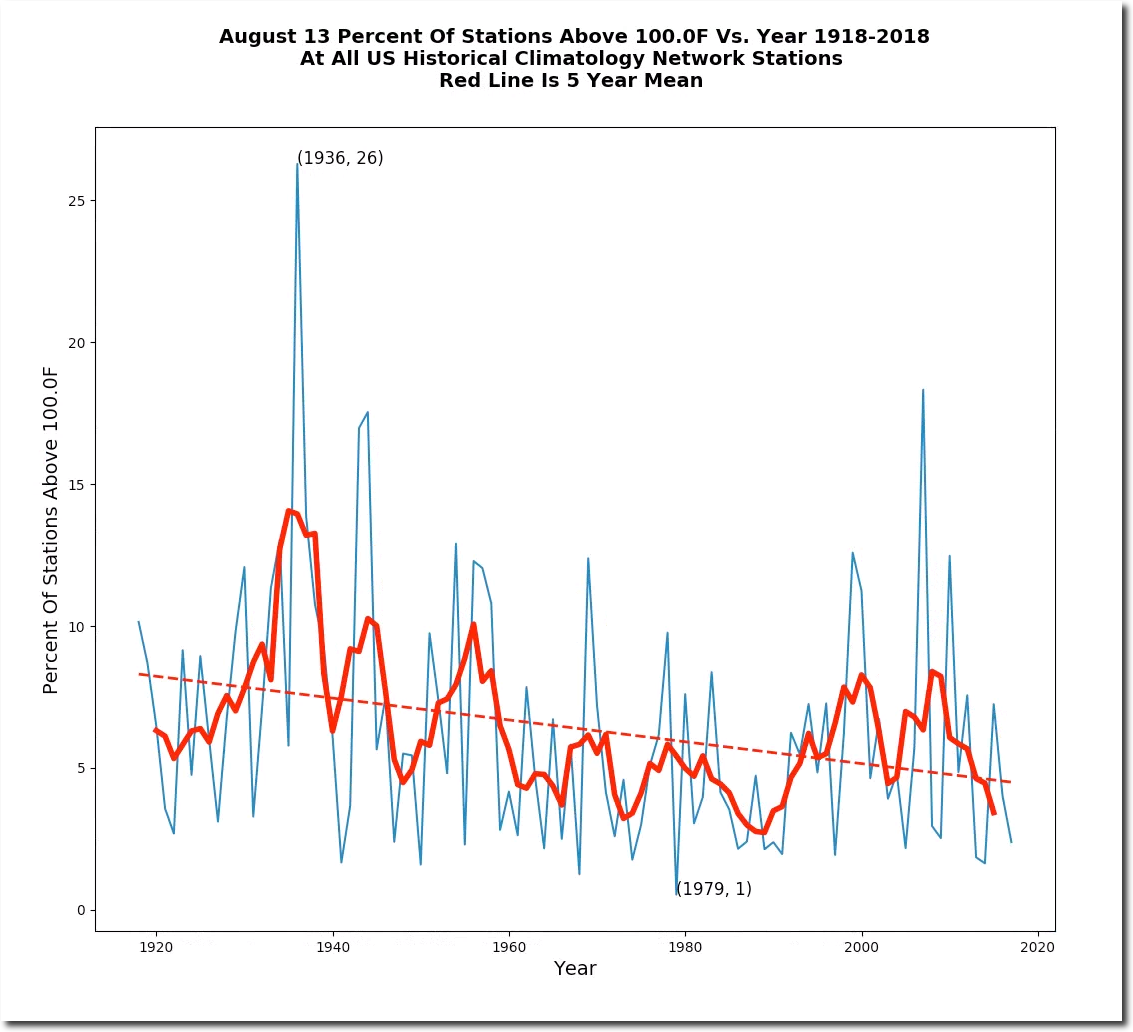
August 12th afternoon temperatures have plummeted in the US over the past century, as has the frequency of hot days.
Sea surface temperatures south of 20S are running well below normal.
anomnight.8.9.2018.gif (1174×640)
And cold air from Antarctica is spilling across most of Australia.
But never mind the cold. Experts say Australia “could” get really hot.
Sydney and Melbourne could face 50C days ‘within decades’ – BBC News
If we keep pumping CO2 into the atmosphere, Australia might even get as hot as it was when CO2 was below 300 PPM.
August 11th afternoon temperatures have plummeted in the US over the past century. This day in 1944 was the hottest day on record in Bernie’s home town of Burlington, Vermont – at 101 degrees.
On this date in 1944, almost two-thirds of the US was over 90 degrees.
On this date in 1935 and 1944, forty-two percent of the US was over 95 degrees.
On this date in 1935, more than one-fourth of the US was over 100 degrees.
Three weeks later was the most intense hurricane in US history.
6 Sep 1935, Page 1 – The Burlington Free Press at Newspapers.com
August 11 used to be a very hot day in the US.
The climate is much better know, but leftists are just as insane as they were in 1935 – completely off the rails.
“We’ll know our disinformation program is complete, when everything the American public believes is false”
- William Casey, CIA Director 1981
The Ministry of Truth is starting their big push to remove all factual information from the Internet.
If leftists actually believed their ideas, they would be eager to debate. Instead they refuse debate and demand censorship.
During July and August 1936, Nebraska afternoon temperatures averaged 98 degrees, and they had twenty-nine days which the average afternoon temperature was over 100 degrees.
Syracuse, Nebraska afternoon temperatures averaged 102 degrees during July/August 1936, eleven degrees warmer than this summer.
The graph below shows every 100 degree temperature every recorded during July/August in Nebraska since 1895. The black dot is the mean temperature. The three hottest days in Nebraska were July 17, 24 and 25, 1936.