my understanding of long ago was that Greenhouse Gas theory was
More GHG = more cloud
More cloud = cooler days and warmer nights, effect most felt in winter (what’s not to like)
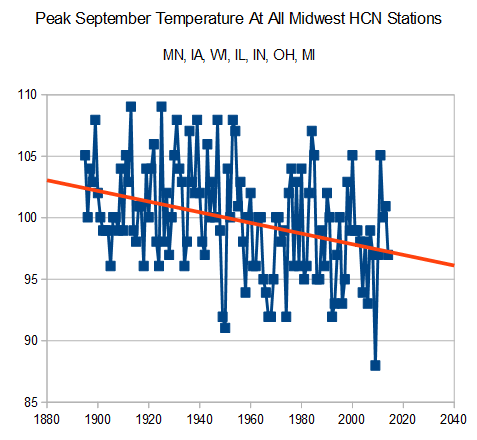
Your charts of declining maximums might be showing the effects of GHG – so long as it doesn’t drag us into an ice age, it is all good, better weather, longer growing seasons and increased C02 good for all that is growing.
1950 ~100°F
2010 ~ 97-98°F
60 year period gives around a 2°F-3°F fall.
The decline runs at about -1°F to 1.5°F per 30 years or so. That is still quite rapid, just not fast enough for most humans to ‘feel’.
~3.5°F fall over a lifespan will not be noticed.



my understanding of long ago was that Greenhouse Gas theory was
More GHG = more cloud
More cloud = cooler days and warmer nights, effect most felt in winter (what’s not to like)
Your charts of declining maximums might be showing the effects of GHG – so long as it doesn’t drag us into an ice age, it is all good, better weather, longer growing seasons and increased C02 good for all that is growing.
There is no evidence to support that idea
1950 ~100°F
2010 ~ 97-98°F
60 year period gives around a 2°F-3°F fall.
The decline runs at about -1°F to 1.5°F per 30 years or so. That is still quite rapid, just not fast enough for most humans to ‘feel’.
~3.5°F fall over a lifespan will not be noticed.