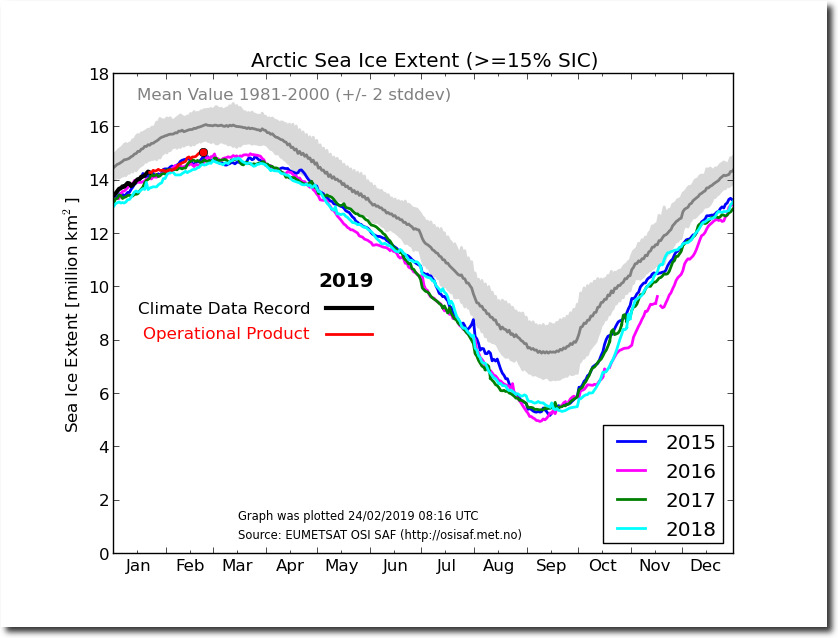
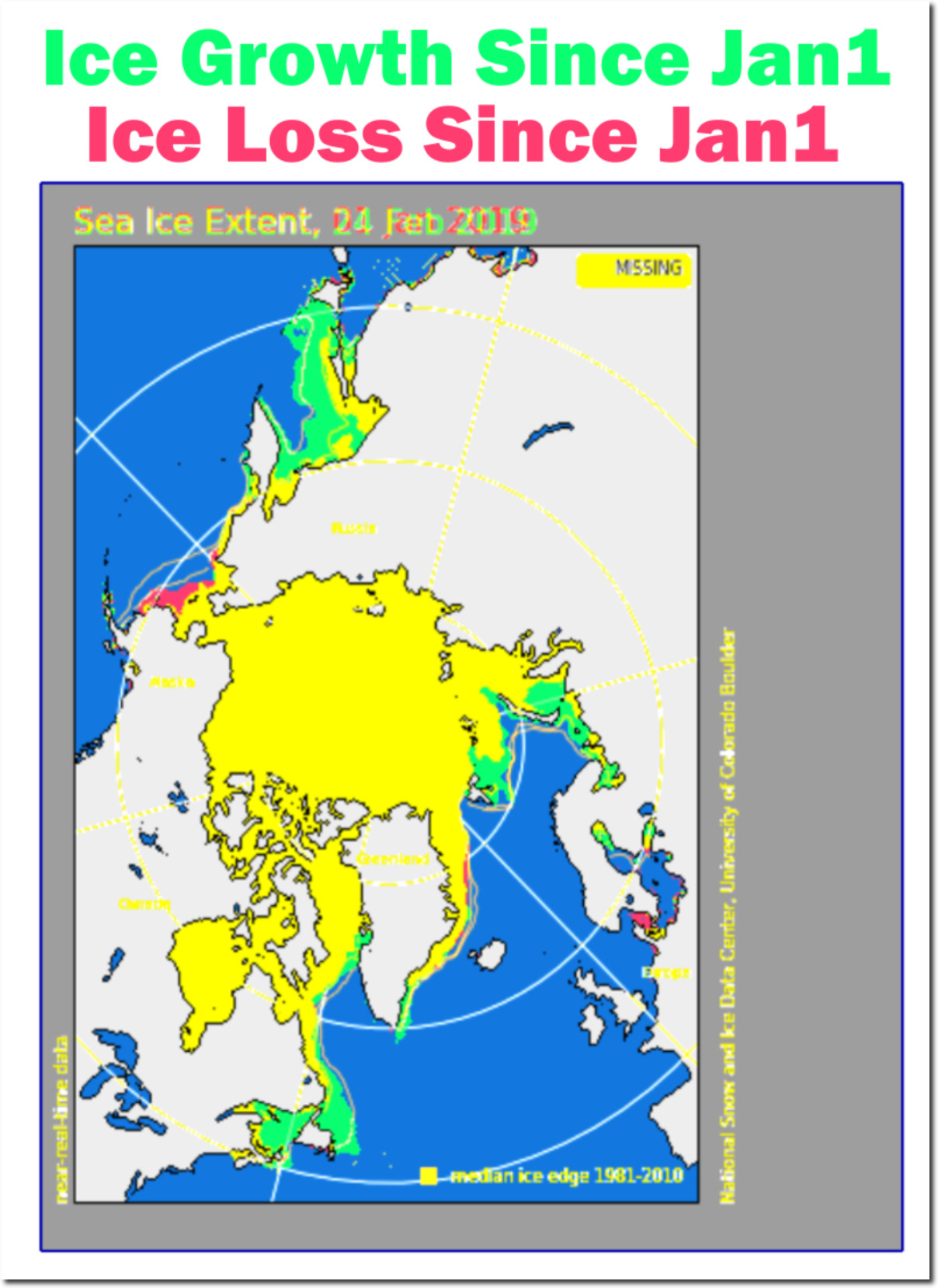
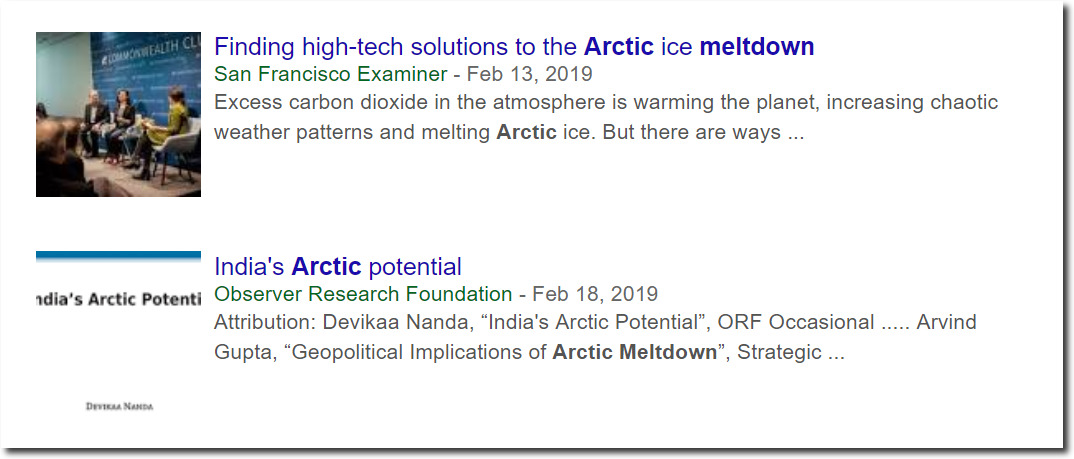
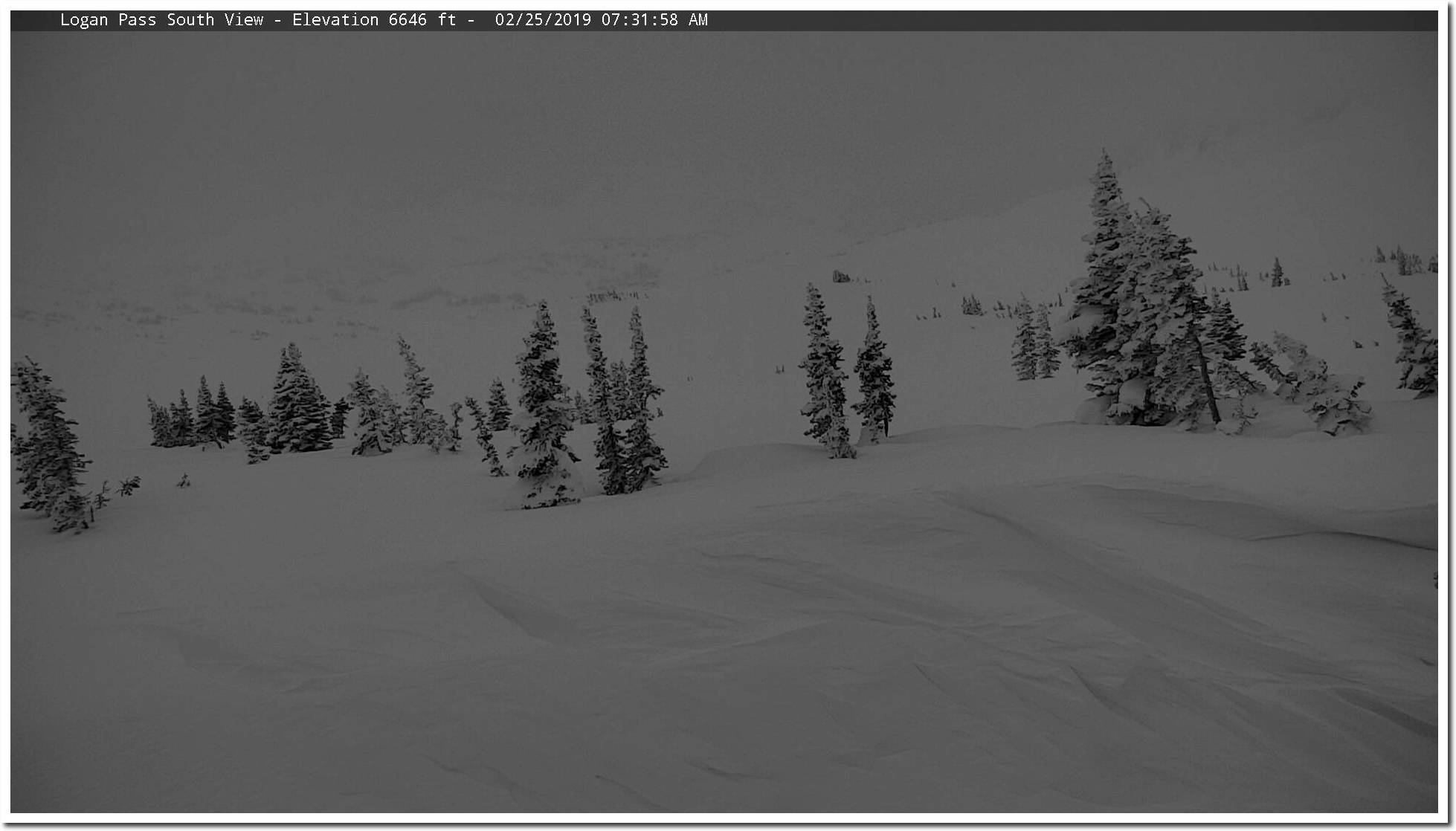
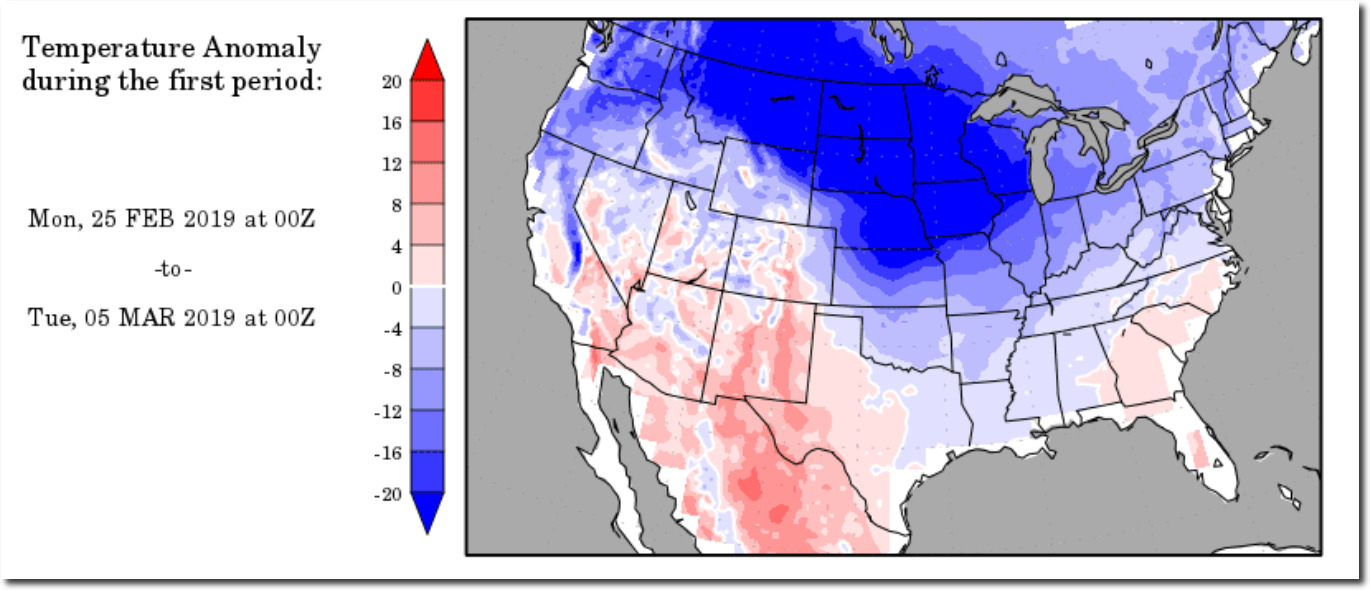
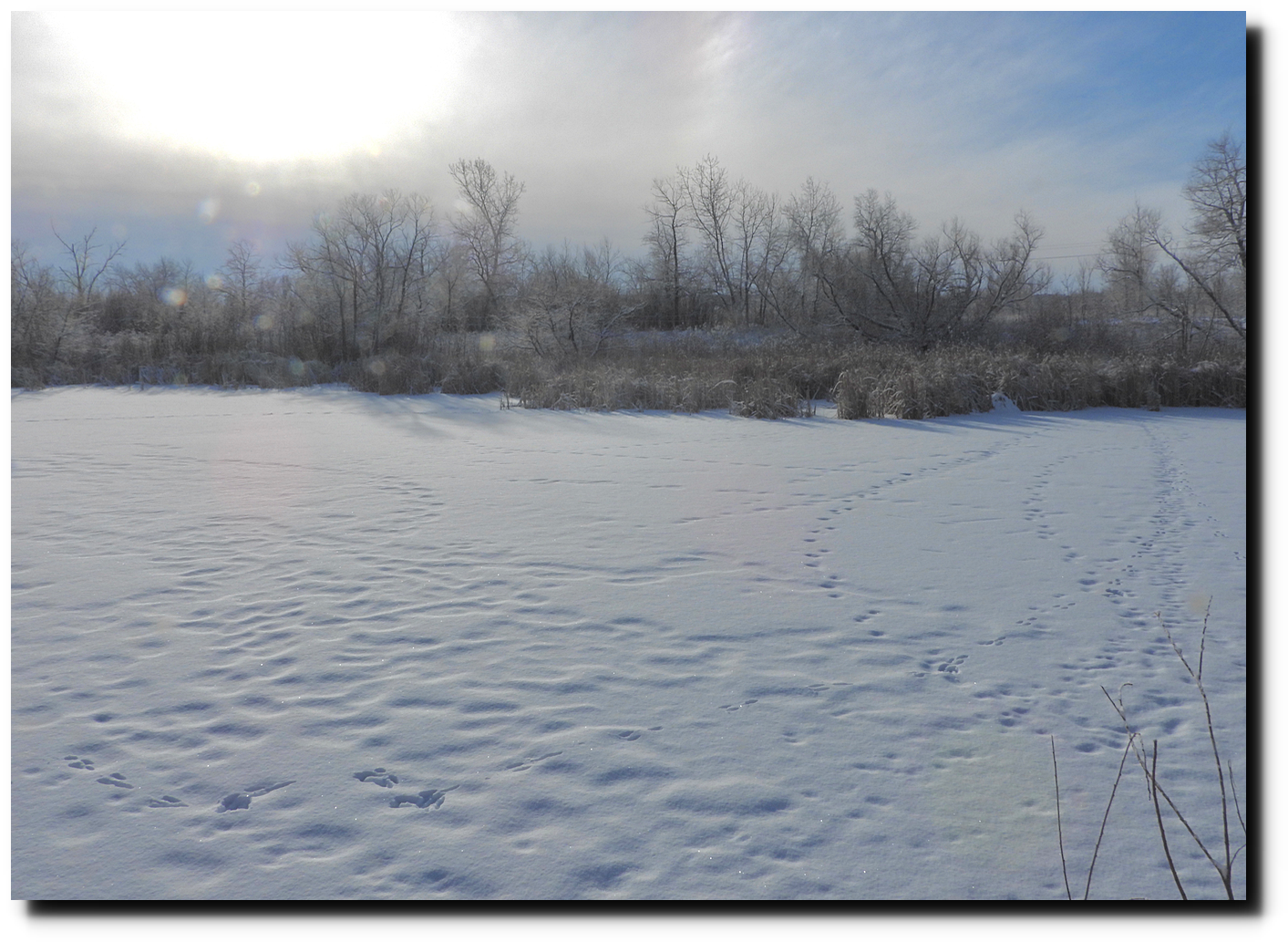
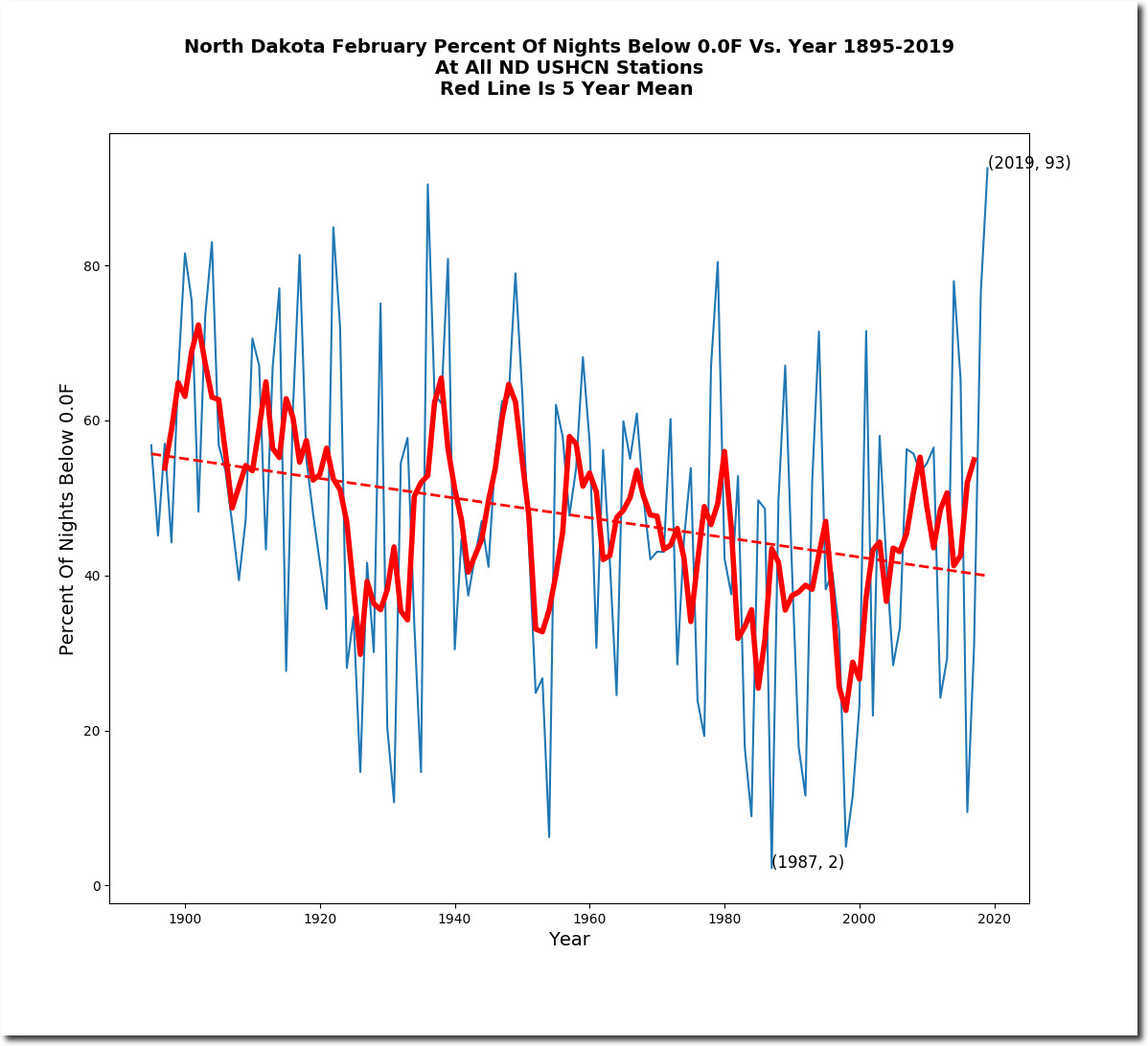
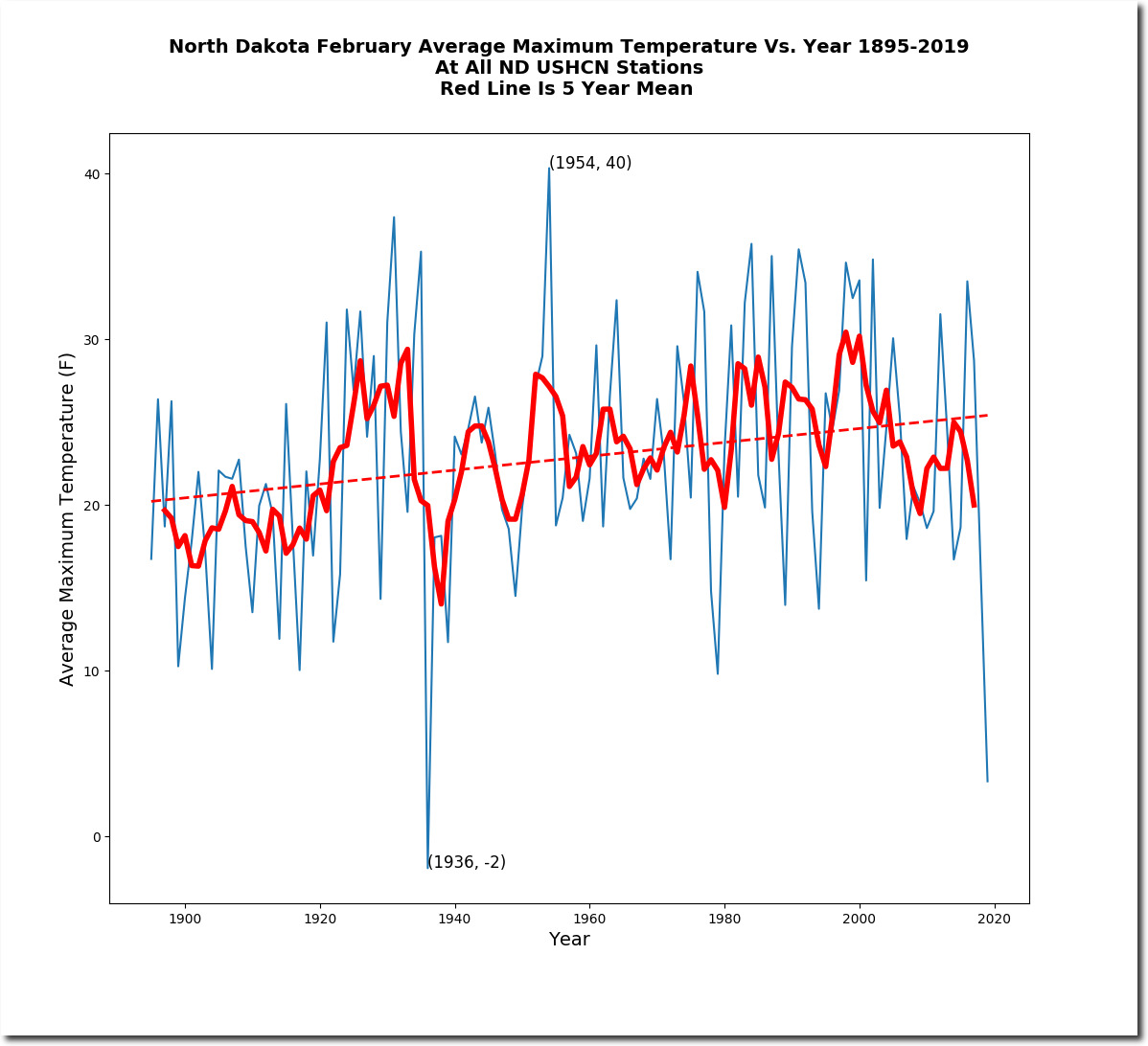
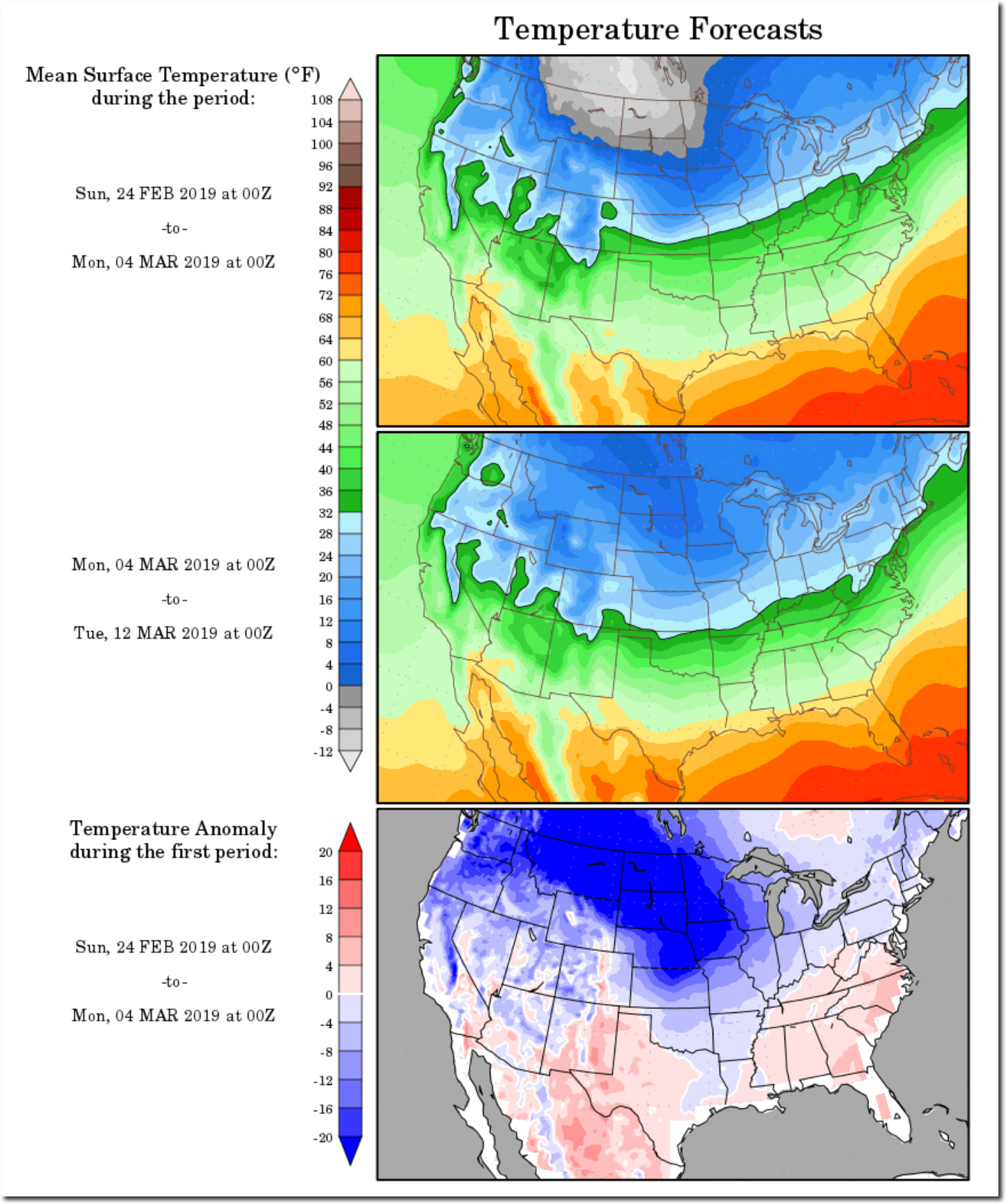
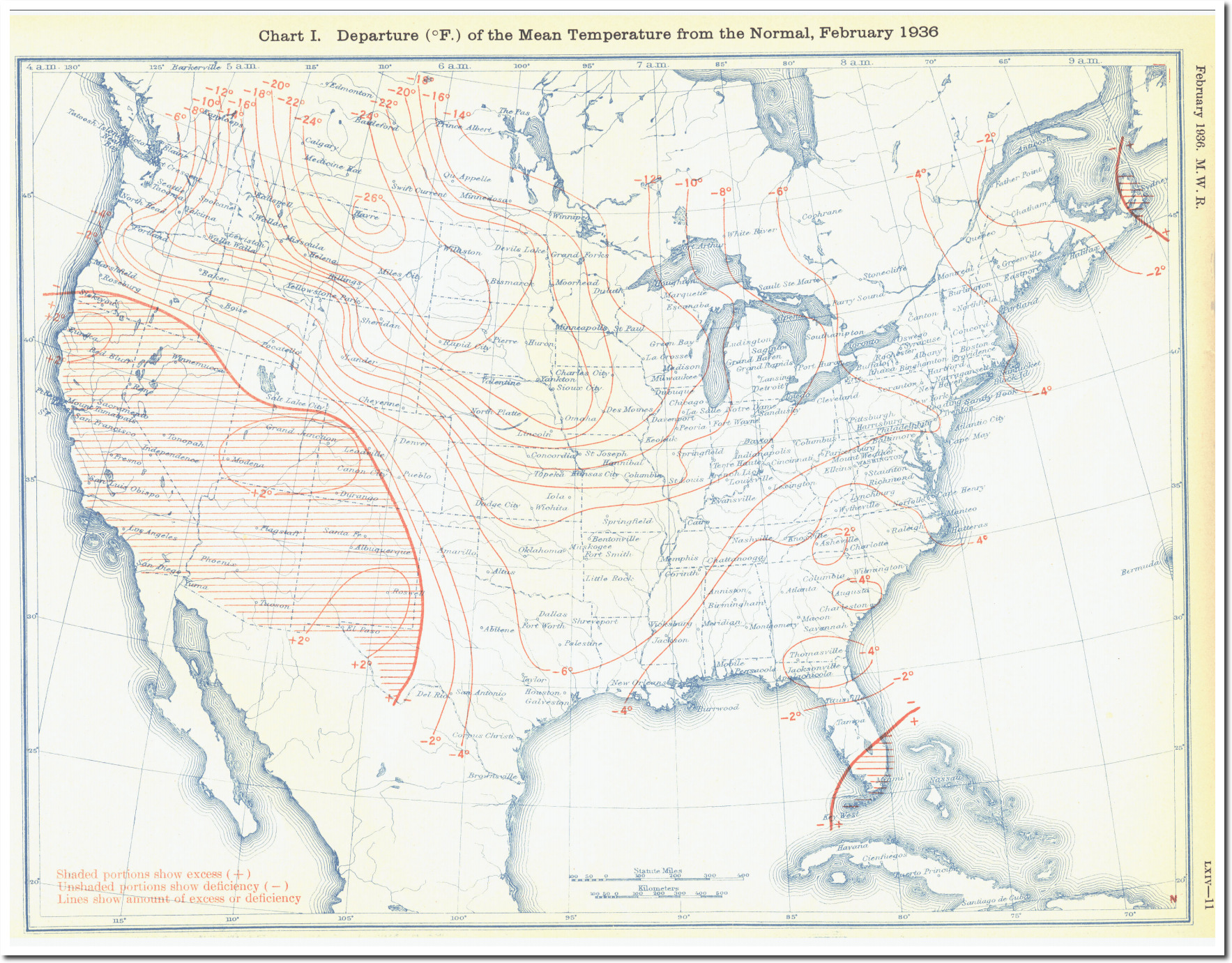
So far, this February has been the second coldest on record in North Dakota, with afternoon maximums averaging 3F (-16C.) The frequency of nights below 0F (-18C) has been the highest.
Someone left this comment on the blog earlier today :
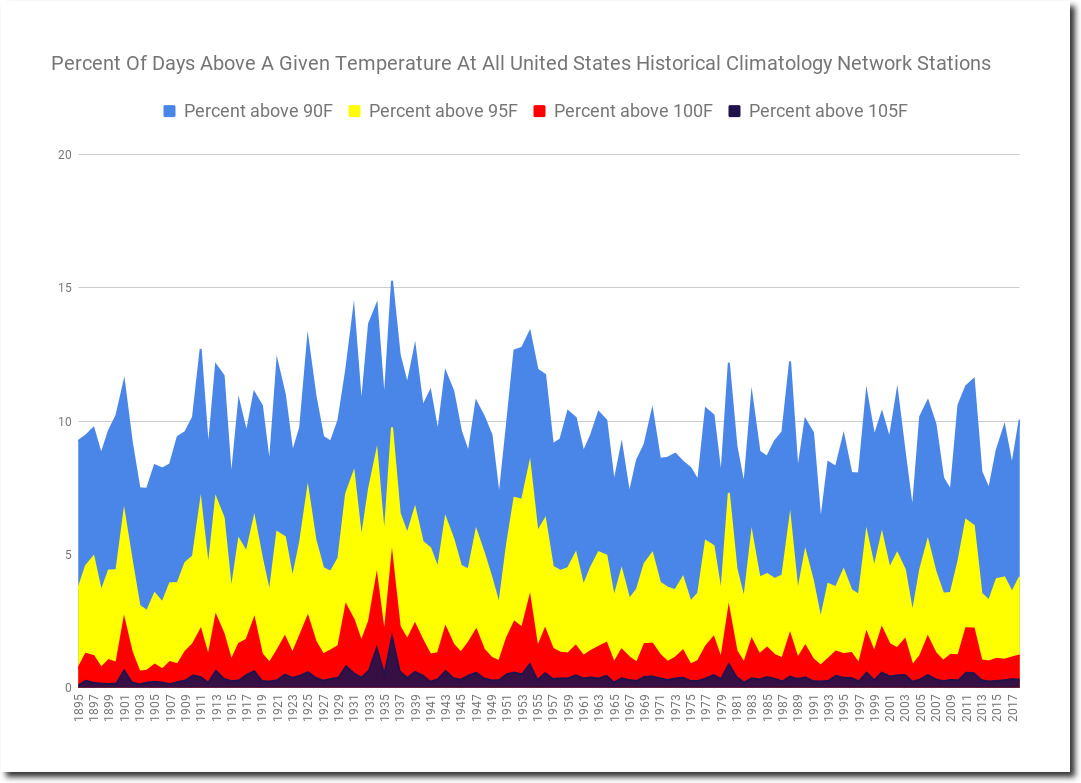
The author states but doesn’t prove that “The reality is that there is no legitimate evidence extreme weather is increasing or sea level rise is accelerating.” His graph (% day above 90F) doesn’t show the data for % day above 95F or 105F, or something else. What if the % of day above 95F would show an upward trend? His example is not enough to convince me that he hasn’t engaged in cherry picking.
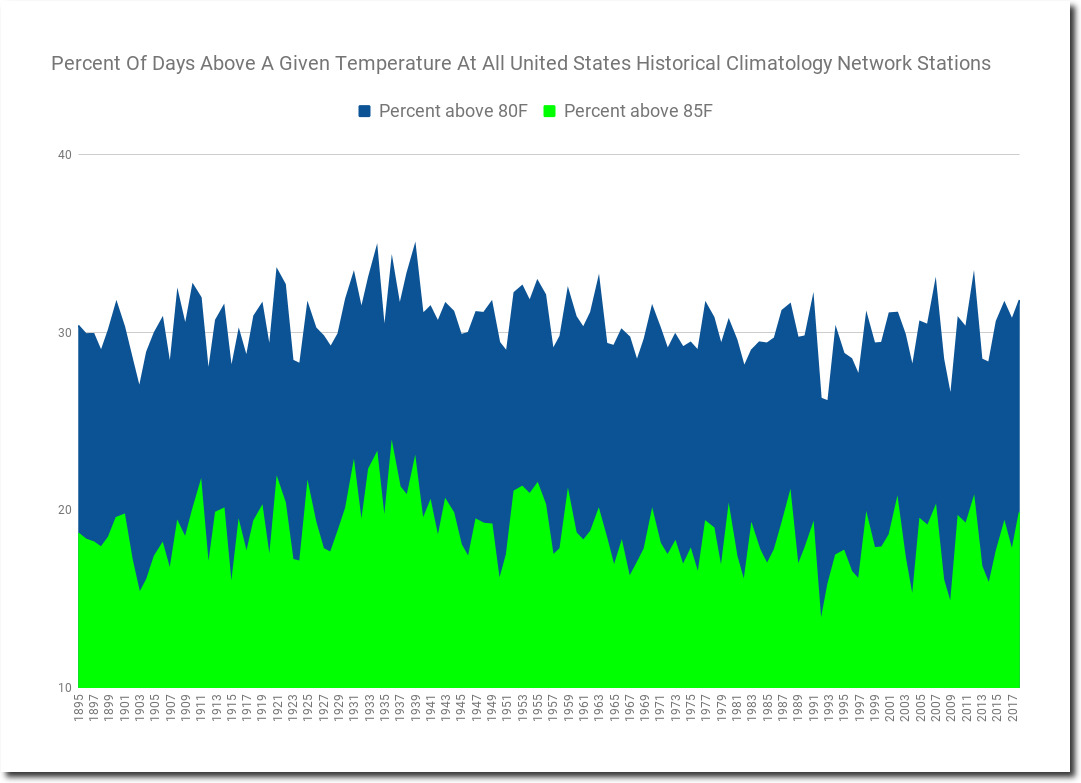
While possible mathematically, it is difficult to imagine how (in the real world) you could have fewer 90 degree days, and more 95 degree days. In fact, the same downwards trend is seen for 80, 85, 90, 95, 100 and 105 degree days.
The US used to be much hotter and drier, which was why millions of people fled the Great Plains and moved to California during the 1930s. At one time, California was a great place to live.
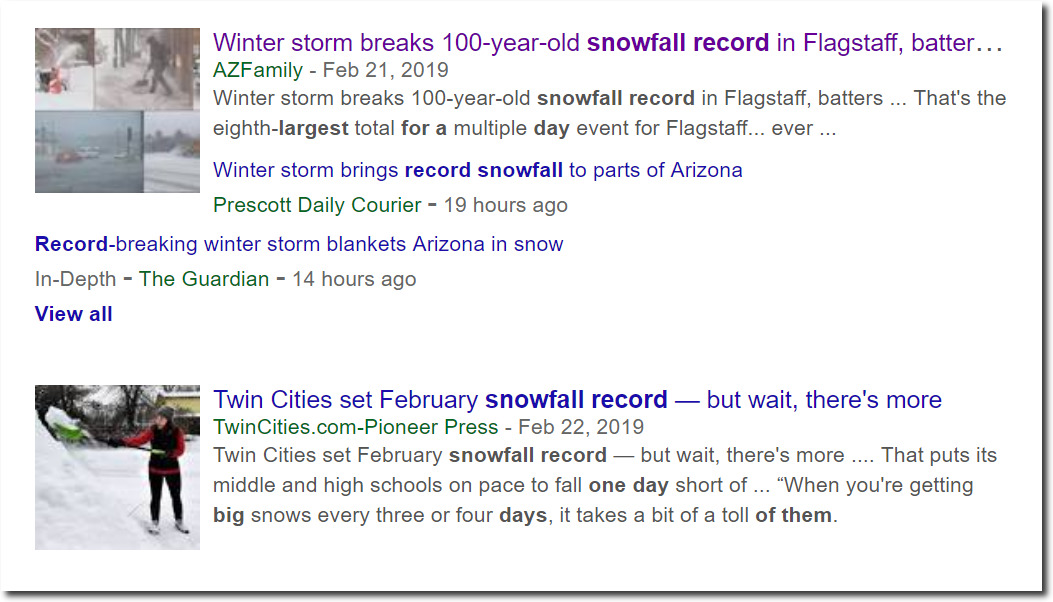
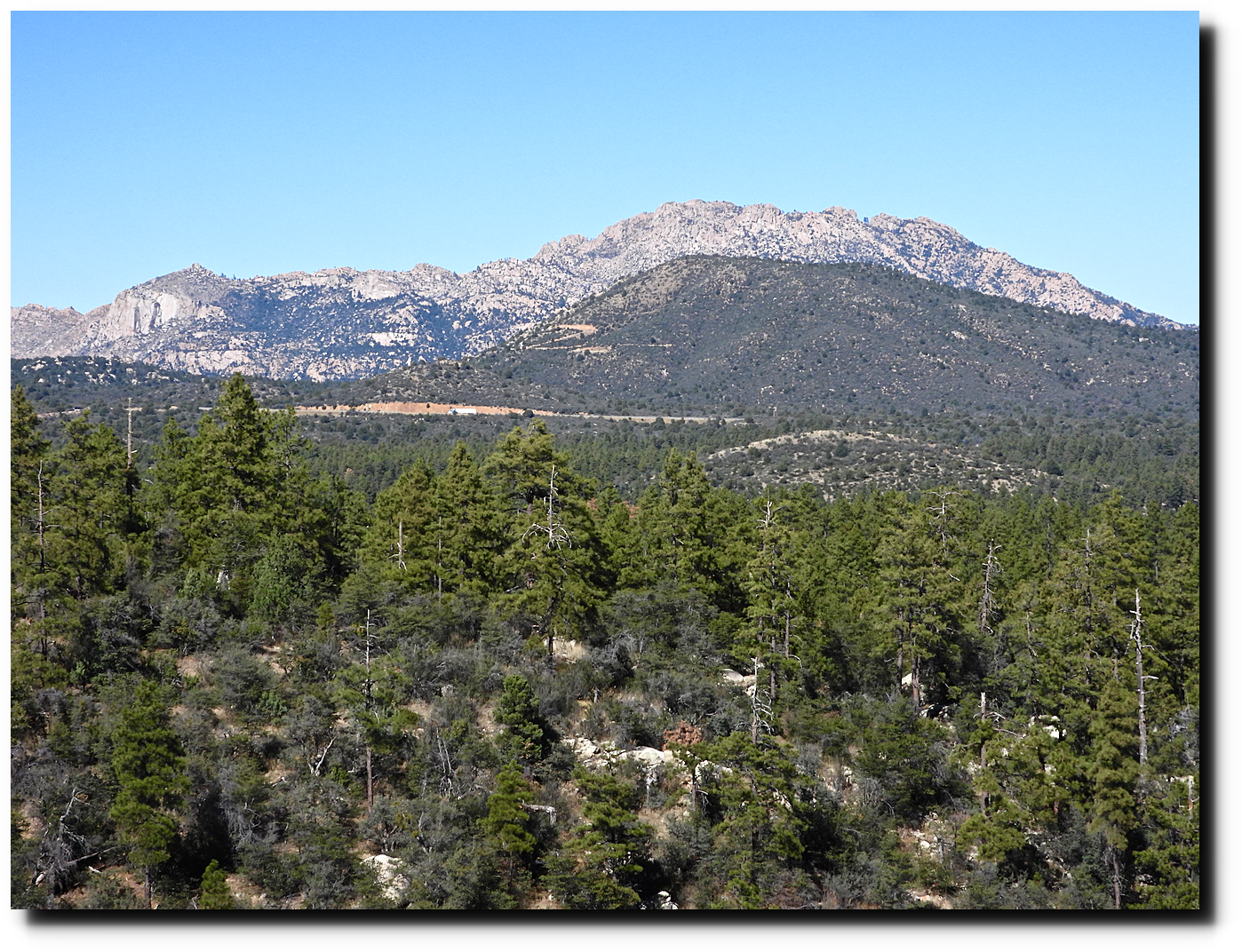
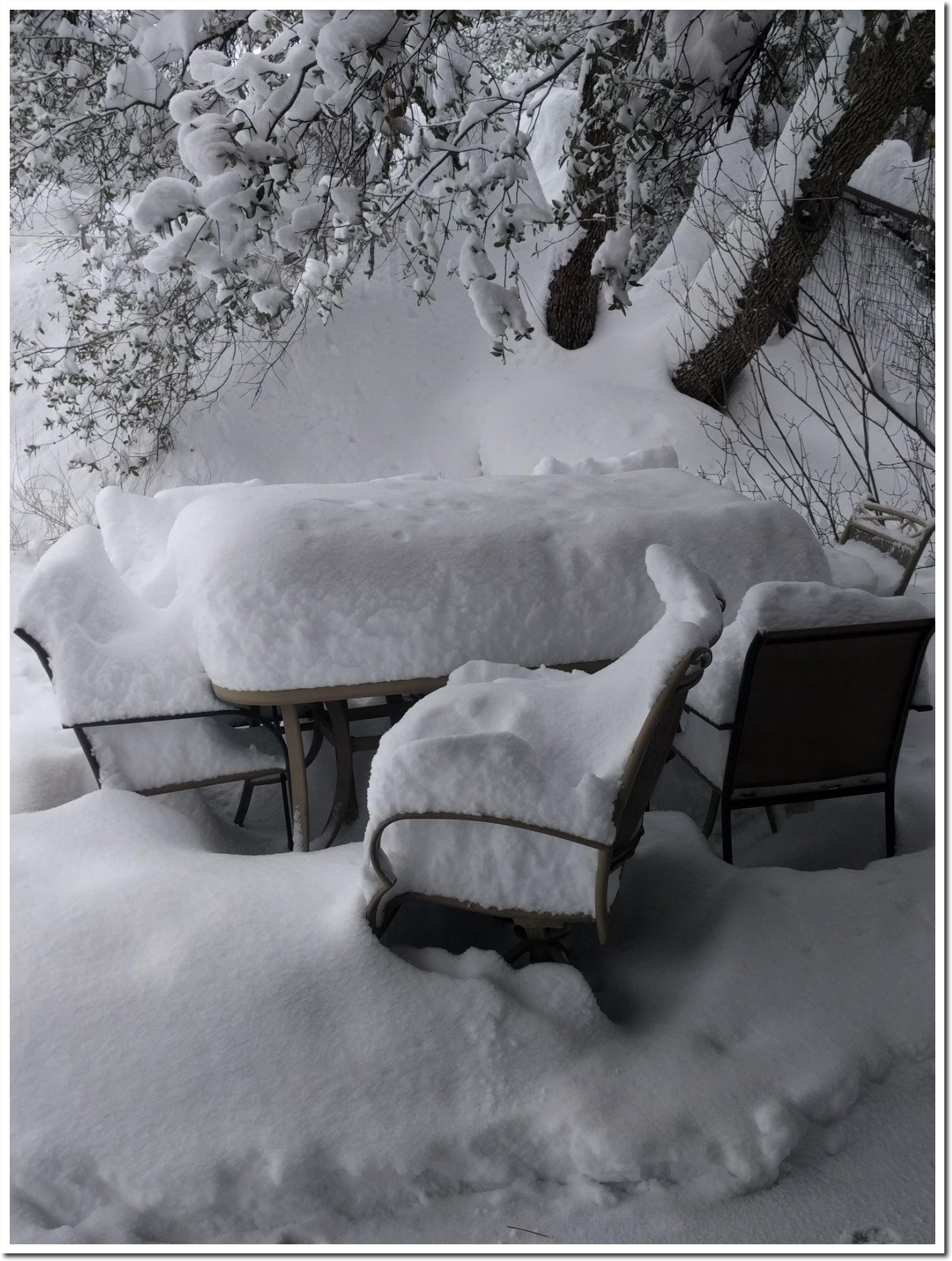
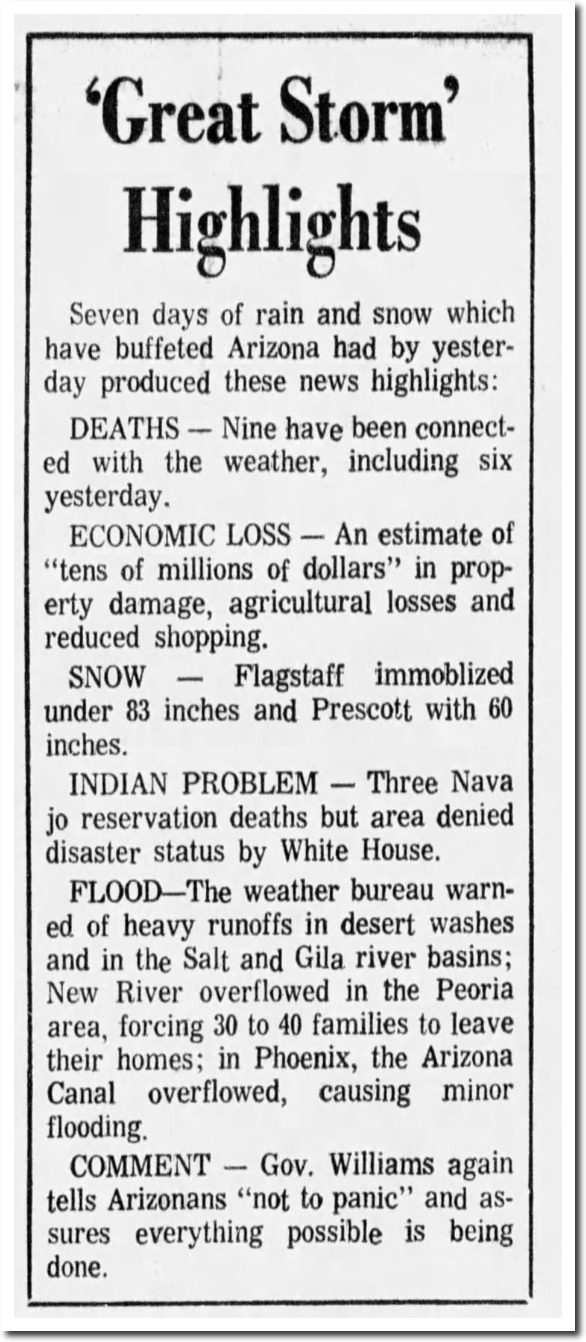
Two weeks ago, Flagstaff, Arizona joined the fight against global warming. They were immediately rewarded with the largest one day snowfall on record, and rescued Minneapolis from global warming at the same time.
Toto’s friend tells me that her next door neighbor was there for the 1967 storm, and that it was a man-made disaster. The city had sold their snow plows earlier in the year, because they never used them. Apparently, lack of snow is a thing of the past in Arizona.